Animal RFID tags have become a foundational technology for modern livestock management, wildlife research, and zoo operations. By enabling reliable identification, traceability, and data collection across different species and environments, RFID-based animal tracking systems support better animal welfare, regulatory compliance, and operational efficiency.
This guide explains how animal RFID tracking works, where it is used, and how to choose the right RFID animal tags for farms, aquaculture, and zoological applications.
What Are Animal RFID Tags?
Animal RFID tags are electronic identification devices that store a unique ID number and transmit it wirelessly to a compatible reader.
They typically operate at low frequency (LF, 134.2 kHz) and comply with ISO 11784 / ISO 11785, which are global standards for animal identification.
Common formats include:
- Injectable RFID microchip tags
- Ear tags
- Leg bands
- Implantable or attachable transponders for aquatic and avian use
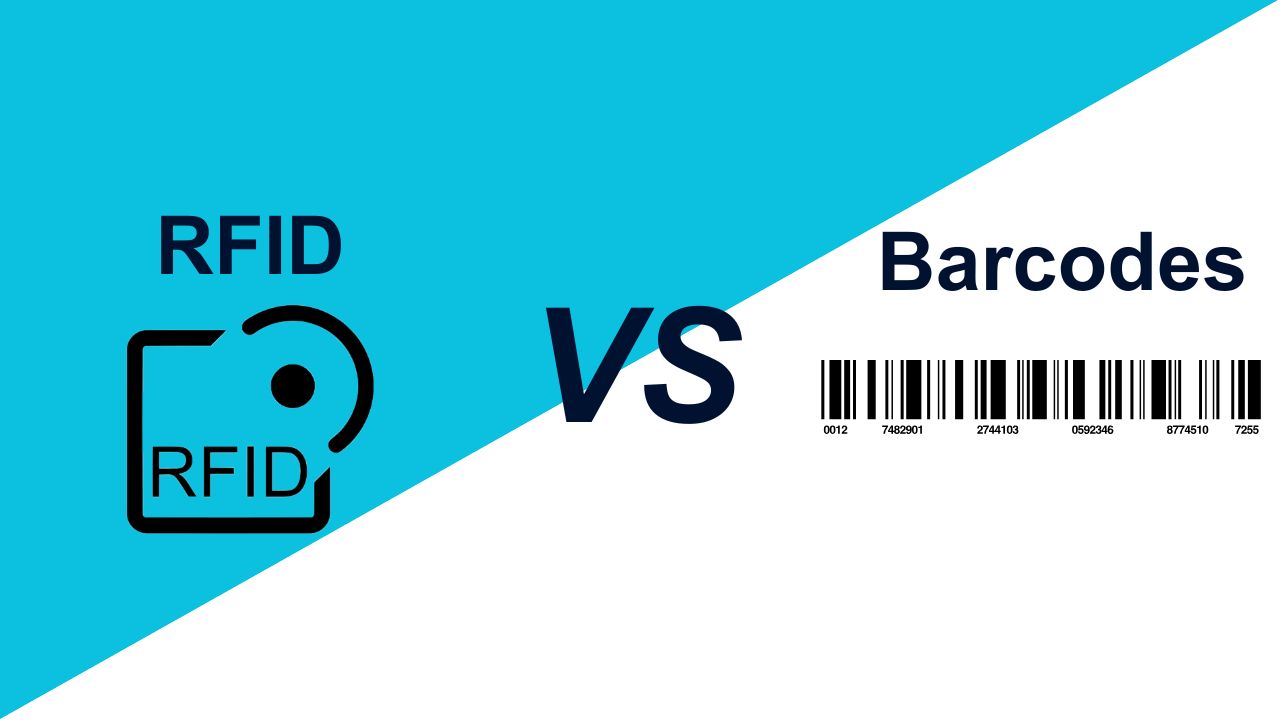
Unlike visual tags or barcodes, RFID tags enable contactless, fast, and error-free identification, even in harsh or mobile environments.
Why RFID Is Essential for Animal Tracking
RFID technology addresses key challenges in animal management:
- Accurate identification without visual inspection
- Long service life (often exceeding 20 years)
- No internal battery, reducing maintenance
- Resistance to moisture, dirt, and chemicals
- Compatibility with automated data systems
For farms and zoos managing hundreds or thousands of animals, RFID significantly reduces labor costs while improving data reliability.
Key Applications of Animal RFID Tags
1. RFID Tracking for Cattle and Livestock
In cattle farming, RFID animal tags are widely used for:
- Individual animal identification
- Breeding and pedigree tracking
- Vaccination and health record management
- Movement tracking and disease control
- Compliance with national livestock regulations
Injectable RFID microchip tags or ear-mounted RFID tags allow farmers to scan animals quickly during feeding, veterinary checks, or transport.
Typical species:
Cows, sheep, goats, pigs
2. RFID for Aquaculture and Fish Tracking
RFID is increasingly used in fish farms and aquatic research, where traditional identification methods fail.
Applications include:
- Growth and feeding studies
- Breeding program management
- Stock counting and inventory control
- Research and conservation projects
Small, lightweight RFID microchip tags can be implanted with minimal stress and continue functioning reliably in freshwater and saltwater environments.
Typical species:
Fish, shellfish, aquatic research species
3. RFID Tags for Birds and Poultry
Bird identification requires lightweight and compact RFID tags to avoid affecting movement or behavior.
Common use cases:
- Poultry farm identification
- Breeding and genetic tracking
- Migration and behavioral research
- Zoo and aviary management
RFID leg bands or miniature microchips allow accurate tracking without repeated handling.
Typical species:
Chickens, ducks, pigeons, parrots, wild birds
4. Animal RFID Tracking in Zoos and Wildlife Parks
Zoos and wildlife facilities rely on RFID to manage diverse species with different physical and behavioral characteristics.
RFID animal tags support:
- Individual identification across species
- Medical history and treatment tracking
- Feeding and habitat monitoring
- Secure access control for enclosures
- Long-term conservation research
Implantable RFID microchips made with bioglass encapsulation are especially important in zoo environments due to their biocompatibility and safety.
Typical species:
Mammals, birds, reptiles, and protected wildlife
Common RFID Technologies Used in Animal Tags
LF RFID (134.2 kHz)
- Most widely adopted for animal identification
- Excellent penetration through tissue and water
- Stable performance near metal or liquids
- ISO 11784 / 11785 compliant
FDX-B vs HDX
- FDX-B (Full Duplex): Faster read speed, commonly used globally
- HDX (Half Duplex): Longer read range in some environments
- Learn more.
Both technologies are used depending on regional regulations and reader compatibility.
Why Bioglass Matters for Animal RFID Microchips
For implantable animal RFID tags, bioglass encapsulation is critical.
Benefits include:
- High biocompatibility
- No adverse tissue reactions
- Resistance to cracking and chemical exposure
- Long-term stability inside the animal’s body
- Learn more about Bioglss.
Bioglass ensures the RFID microchip remains safe, readable, and functional throughout the animal’s lifetime.
How to Choose the Right Animal RFID Tag
When selecting animal RFID tags, consider:
- Species and body size
- Application environment (land, water, indoor, outdoor)
- Compliance requirements (ISO standards, local regulations)
- Tag size and implantation method
- Reader compatibility
- Expected service life
A one-size-fits-all approach does not work for animal RFID tracking. Proper tag selection ensures both performance and animal welfare.
The Role of the RFID Tag Manufacturer
Consistent performance depends not only on chip selection but also on:
- Encapsulation quality
- Dimensional precision
- Testing and quality control
- Compliance with international standards
A manufacturer specializing in animal RFID tag production can support customization across frequencies, sizes, and transmission modes to suit different species and applications.
Conclusion
Animal RFID tracking has become an essential tool for farms, aquaculture operations, zoos, and wildlife programs.
From cows and fish to birds and exotic animals, RFID animal tags provide a universal, scalable, and reliable identification solution across diverse environments.
By selecting the right RFID technology and tag design, organizations can improve traceability, animal welfare, and operational efficiency—while meeting regulatory and research requirements.