Animal RFID identification systems rely primarily on two low-frequency (LF) transmission technologies defined under ISO 11784/11785: FDX-B (Full Duplex) and HDX (Half Duplex).
While both are widely used for animal identification, they differ significantly in signal behavior, reading performance, system compatibility, and application suitability.
This article provides a neutral, engineering-level comparison of FDX-B and HDX animal RFID tags to help buyers, veterinarians, and system designers make informed decisions.
Overview of FDX-B and HDX Technologies
| Technology | Full Name | ISO Standard |
|---|---|---|
| FDX-B | Full Duplex – Type B | ISO 11784 / ISO 11785 |
| HDX | Half Duplex | ISO 11784 / ISO 11785 |
Both operate at 134.2 kHz (±2 kHz) and are designed for passive, battery-free animal RFID microchips.
How FDX-B and HDX Work
FDX-B (Full Duplex)
- The RFID reader continuously emits an electromagnetic field
- The microchip transmits data while being powered
- Simultaneous power and data transmission
- No interruption of the reader field
Result:
Stable and consistent communication with simpler timing logic.
HDX (Half Duplex)
- Communication occurs in two phases:
- Reader emits energy to power the chip
- Reader pauses the field, and the chip transmits data
- Power and data transmission do not occur simultaneously
Result:
Higher peak signal strength, but more complex timing control.
Reading Performance Comparison
| Factor | FDX-B | HDX |
|---|---|---|
| Typical Read Distance | Short to medium | Medium to longer |
| Signal Stability | Very stable | More sensitive to timing |
| Read Speed | Faster | Slightly slower |
| Multi-tag Environments | Better handling | More prone to interference |
Key Insight:
HDX often achieves longer read distances, but FDX-B provides more reliable and repeatable reads, especially in dynamic or high-throughput environments.
Power Efficiency and Reliability
FDX-B
- Continuous power supply
- Lower peak power demand
- Less sensitive to reader alignment
- Highly reliable over long service life (>20 years)
HDX
- Requires energy storage before transmission
- Higher peak signal during data burst
- More sensitive to coil orientation and environmental noise
ISO Compliance and Global Acceptance
| Region / Program | Preferred Technology |
|---|---|
| Companion Animals (Pets) | FDX-B |
| ISO-Compliant National Databases | FDX-B |
| Livestock (some regions) | HDX or FDX-B |
| Veterinary Clinics | FDX-B |
| Animal Welfare & NGOs | FDX-B |
FDX-B has become the global default, especially for companion animal identification and cross-border data compatibility.
Reader and Infrastructure Compatibility
- Most modern ISO 11784/11785 readers support both FDX-B and HDX
- However:
- FDX-B is better optimized in handheld and mobile readers
- HDX systems may require higher-quality antennas
For mixed environments, FDX-B reduces system complexity.
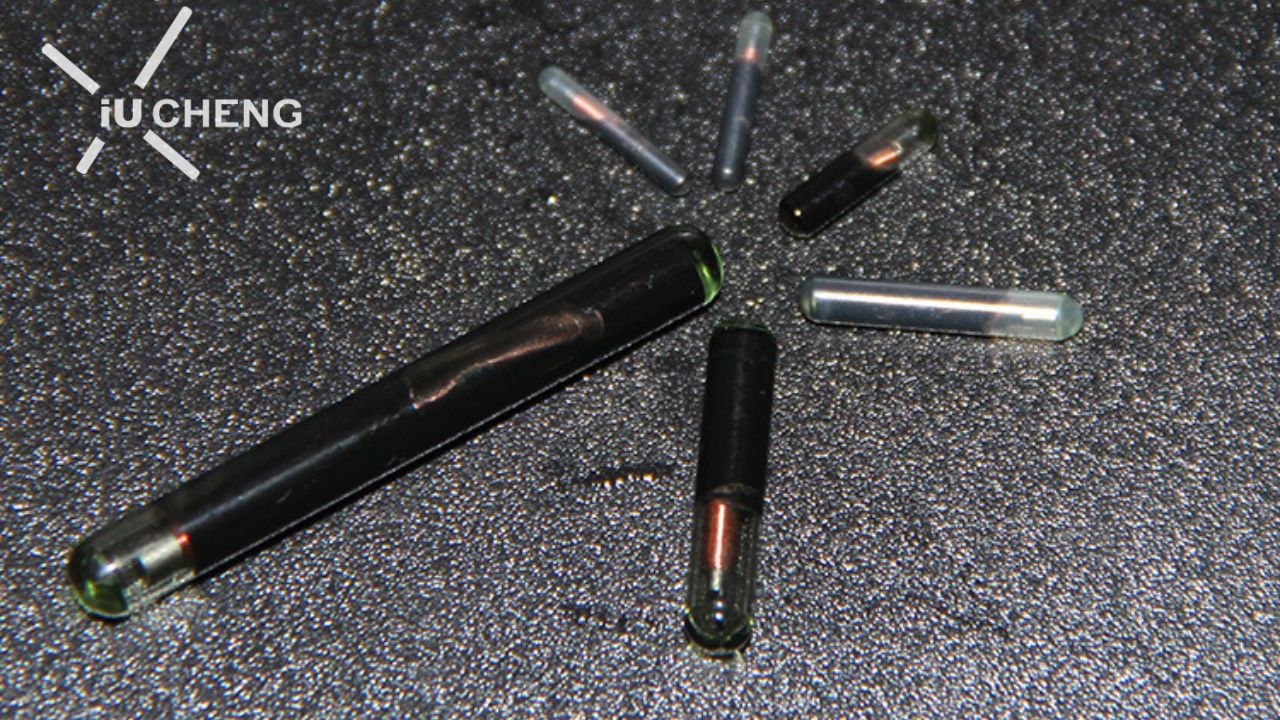
Durability and Bioglass Encapsulation
Both FDX-B and HDX animal RFID tags rely on bioglass encapsulation to ensure:
- Biocompatibility
- Chemical resistance
- Long-term implantation safety
- Mechanical stability
The choice of transmission technology does not change the need for high-quality bioglass, but FDX-B chips benefit more from stable signal conditions, especially over decades of implantation.
Typical Application Scenarios
| Application | Recommended Technology |
|---|---|
| Pet Identification (Dogs & Cats) | FDX-B |
| Veterinary Clinics | FDX-B |
| Animal Shelters | FDX-B |
| Research & Lab Animals | FDX-B |
| Large Livestock with Long Read Distance | HDX (in some cases) |
| ISO-Linked Databases | FDX-B |
Summary: Which Should You Choose?
Choose FDX-B Animal RFID Tags if you need:
- ISO-compliant global compatibility
- Smaller implant sizes
- Stable, fast, and reliable reading
- Long-term identification (20+ years)
- Broad reader support
Choose HDX Animal RFID Tags if you need:
- Maximum read distance
- Fixed infrastructure with optimized readers
- Specific regional livestock systems
Final Takeaway
While both FDX-B and HDX technologies remain valid under ISO standards, FDX-B has become the industry-preferred solution for modern animal identification due to its balance of reliability, size efficiency, and global interoperability.
For most veterinary, companion animal, and regulatory use cases, FDX-B offers lower system risk and higher long-term consistency.
XIUCHENG RFID specializes in the production of animal RFID microchip tags compliant with ISO 11784/11785, offering full customization for both FDX-B (Full Duplex) and HDX (Half Duplex) technologies.
From chip selection and bioglass encapsulation to size, frequency, and encoding requirements, our manufacturing process is designed to support diverse animal identification systems worldwide.
Whether your project requires compact FDX-B microchips for companion animals or HDX solutions for specific livestock applications, XIUCHENG RFID provides stable, scalable, and standards-compliant production to meet your technical and regulatory needs.