La traçabilité du bétail n'est plus seulement une exigence réglementaire - elle est devenue une capacité essentielle pour les exploitations d'élevage modernes. De la prévention des maladies à l'optimisation de l'élevage, en passant par la sécurité alimentaire et la conformité au commerce international, la traçabilité détermine l'efficacité avec laquelle le bétail peut être identifié, contrôlé et géré tout au long de son cycle de vie.
étiquettes RFID jouent un rôle central dans la précision, l'évolutivité et la fiabilité de la traçabilité du bétail.
Qu'est-ce que la traçabilité du bétail ?
La traçabilité du bétail désigne la capacité à identifier chaque animal de manière unique et suivre en permanence son histoire et ses mouvements de la naissance à l'abattage. Un système de traçabilité complet enregistre généralement :
- Identification individuelle de l'animal
- Ferme d'origine et changements de propriétaire
- Vaccination et traitements vétérinaires
- Registres d'alimentation et d'élevage
- Événements de transport et de quarantaine
- Abattage et transfert de la chaîne d'approvisionnement
Sans identification numérique, ces informations sont fragmentées, manuelles et sujettes aux erreurs. La technologie RFID fournit l'infrastructure nécessaire pour relier les animaux physiques à des systèmes de données structurés.
Pourquoi les méthodes d'identification traditionnelles sont insuffisantes
Les marques visuelles, le marquage ou les carnets de bord manuels sont utilisés depuis des décennies, mais ils présentent plusieurs limites structurelles :
- Erreur humaine lors de la saisie de données ou de la lecture visuelle
- Pas d'automatisation, les grands troupeaux sont difficiles à gérer
- Capacité de données limitée, souvent un simple numéro imprimé
- Mauvaise intégration avec des systèmes numériques de gestion du bétail
Avec l'augmentation de la taille des troupeaux et le renforcement des normes de conformité, ces méthodes ne permettent pas d'assurer une traçabilité en temps réel et contrôlable.
Comment les étiquettes RFID permettent une traçabilité du bétail de bout en bout
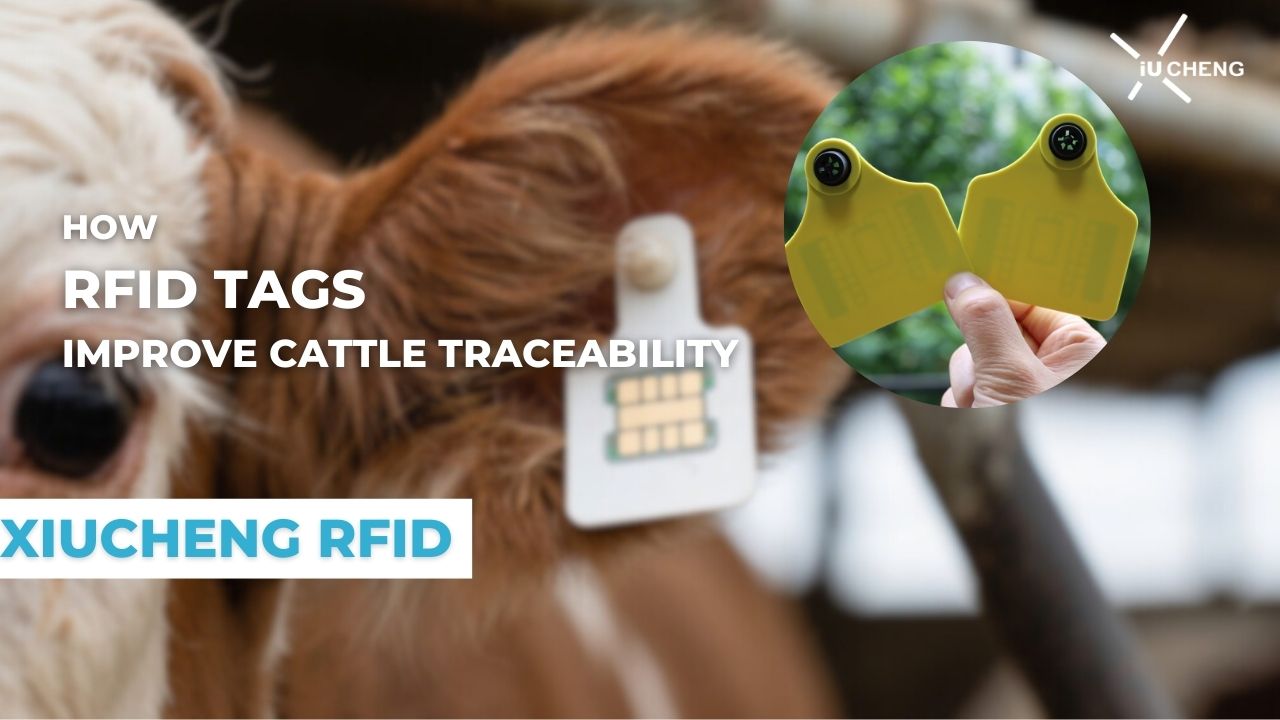
Étiquettes RFID pour le bétail intégrer un identifiant électronique unique directement dans la marque auriculaire de l'animal. Cet identifiant devient le “point d'ancrage” numérique de toutes les données de traçabilité.
1. Identification unique et inviolable
Chaque étiquette RFID d'oreille d'animal porte un ID unique au niveau mondial qui ne peut être ni dupliqué ni modifié. Une fois attribué, cet identifiant reste associé à l'animal tout au long de sa vie, constituant ainsi la base d'une traçabilité fiable.
Cela est particulièrement important pour les programmes d'identification des animaux imposés par le gouvernement et les exploitations bovines orientées vers l'exportation.
2. Capture de données rapide et sans contact
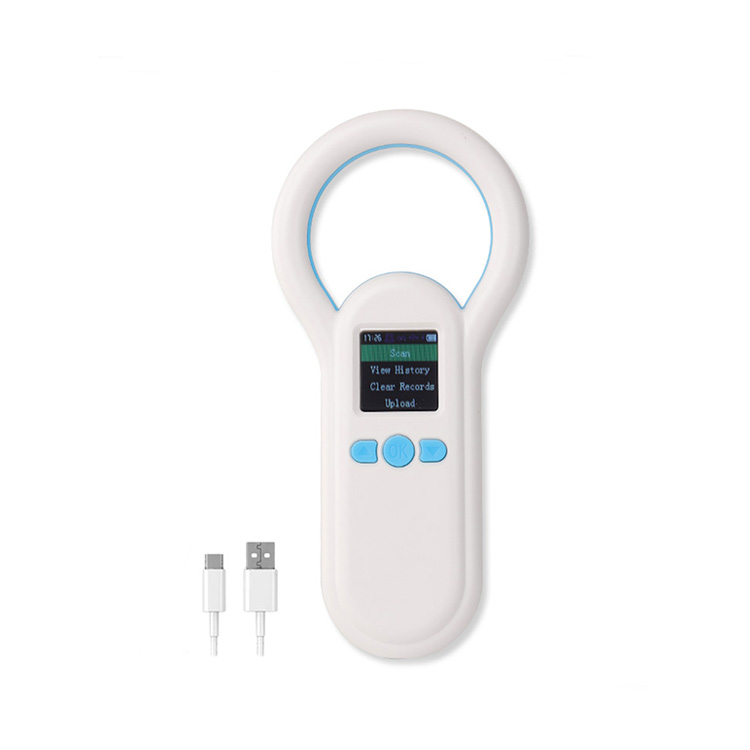
Contrairement aux étiquettes visuelles, les étiquettes RFID peuvent être lues sans visibilité directe. Les lecteurs portatifs ou fixes peuvent scanner rapidement le bétail pendant.. :
- Alimentation
- Pesée
- Vaccination
- Chargement et déchargement
- Inspections vétérinaires
Cela permet de réduire le stress des animaux et les coûts de main-d'œuvre pour les exploitations, tout en améliorant la précision des données.
3. Intégration en temps réel avec les systèmes de gestion du bétail
Les étiquettes RFID pour bétail sont conçues pour s'intégrer avec :
- Logiciel de gestion agricole
- Bases de données vétérinaires
- Plateformes gouvernementales de traçabilité
- Systèmes d'abattage et de logistique
Chaque scan met automatiquement à jour le dossier numérique de l'animal, créant ainsi une base de données. chaîne de traçabilité continue et vérifiable.
4. Prise en charge de plusieurs normes RFID
Les systèmes modernes de traçabilité du bétail ne se limitent pas à une seule technologie RFID. En fonction des réglementations régionales et des besoins opérationnels, les marques auriculaires RFID pour animaux peuvent utiliser :
- FDX / HDX (ISO 11784/11785) pour l'identification traditionnelle des animaux
- HF (13,56 MHz) pour l'interaction de données à courte distance
- UHF (ISO 18000-6C) pour la lecture à longue distance et en masse
Les étiquettes RFID multistandard garantissent la compatibilité avec l'infrastructure existante tout en permettant de futures mises à niveau du système.
Les étiquettes RFID et la lutte contre les maladies du bétail
L'un des avantages les plus importants de la traçabilité basée sur la RFID est le suivant une réponse rapide à la maladie.
En cas d'épidémie, les systèmes RFID permettent aux autorités et aux exploitations agricoles de.. :
- Identifier instantanément les animaux affectés
- Retracer l'historique des contacts au sein du troupeau
- Isoler les groupes à haut risque
- Réduire au minimum l'abattage inutile
Ce niveau de précision est impossible avec les méthodes d'identification manuelles et est de plus en plus exigé par les programmes nationaux de santé animale.
Améliorer la sécurité alimentaire et la transparence de la chaîne d'approvisionnement
Les consommateurs et les régulateurs exigent la transparence dans la production de viande bovine. Les étiquettes RFID permettent la traçabilité du bétail au-delà de la ferme :
- Lien entre les animaux et les lots d'abattage
- Suivi des informations sur l'origine des produits à base de viande
- Soutenir la gestion des rappels en cas de problème
Pour les exportateurs de viande bovine, la traçabilité RFID est souvent une condition préalable à l'accès aux marchés internationaux de grande valeur.
La durabilité est importante pour la traçabilité à long terme
La traçabilité n'est efficace que si l'étiquette RFID survit au cycle de vie complet de l'animal.
Les marques auriculaires RFID pour animaux de haute qualité sont conçues avec :
- Matériaux TPU durables
- Résistance aux UV et aux produits chimiques
- Mécanismes de verrouillage sécurisés mâle/femelle
- Performances stables de la puce dans les environnements difficiles
Ces caractéristiques garantissent que l'identifiant RFID reste lisible pendant des années, et non des mois.
Les étiquettes RFID, épine dorsale de la gestion numérique du bétail
Les étiquettes RFID pour le bétail ne sont pas seulement des identificateurs, elles sont aussi le moteur de la croissance. colonne vertébrale de données des exploitations d'élevage modernes. En permettant une traçabilité précise, automatisée et évolutive, la technologie RFID contribue à une meilleure prise de décision, au respect de la réglementation et à l'efficacité opérationnelle à long terme.
Pour les exploitations agricoles, les intégrateurs et les autorités chargées de l'élevage, la traçabilité du bétail basée sur la RFID n'est plus facultative, elle est fondamentale.