Managing large volumes of linens, uniforms, and garments is a major operational challenge for industrial laundries, hotels, hospitals, and workwear rental services. Loss, miscounts, premature replacement, and lack of visibility can quickly drive up costs.
RFID laundry management solves these problems by enabling automatic identification and tracking of each textile item throughout its entire lifecycle. Instead of manual counting or barcode scanning, RFID technology allows bulk reading, real-time tracking, and data-driven decision-making — even in harsh laundry environments.
This article explains how RFID laundry management works in practice, what components are involved, and why RFID laundry tags have become the industry standard for large-scale textile operations.
What Is RFID Laundry Management?
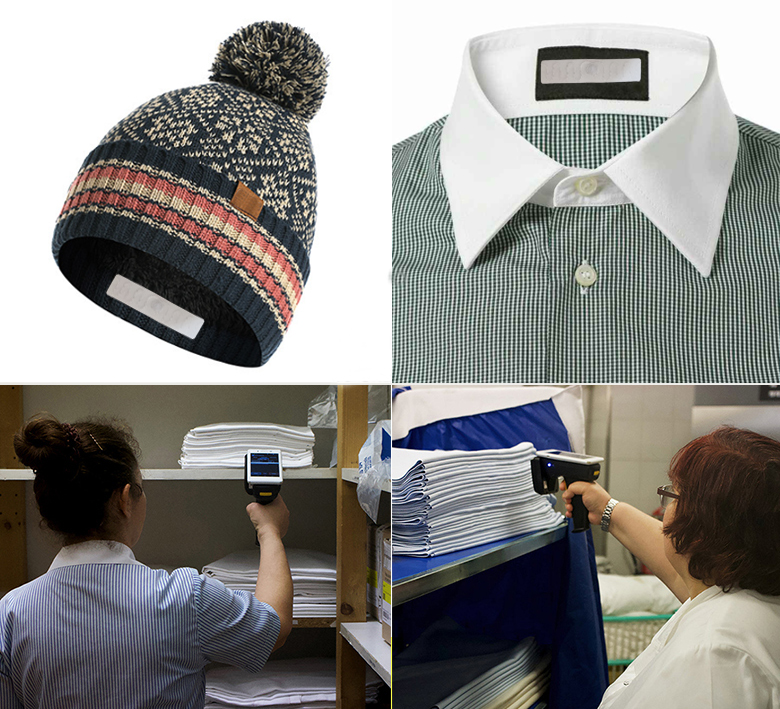
RFID laundry management is a tracking system that uses RFID-enabled textile tags embedded in linens or garments to identify and monitor each item during washing, drying, sorting, storage, and distribution.
Each item is assigned a unique RFID ID, allowing it to be tracked automatically without line-of-sight scanning. This makes RFID particularly suitable for industrial laundry environments where speed, durability, and accuracy are critical.
Typical applications include:
- Hotel linens (sheets, towels, bathrobes)
- Hospital textiles and uniforms
- Industrial workwear rental
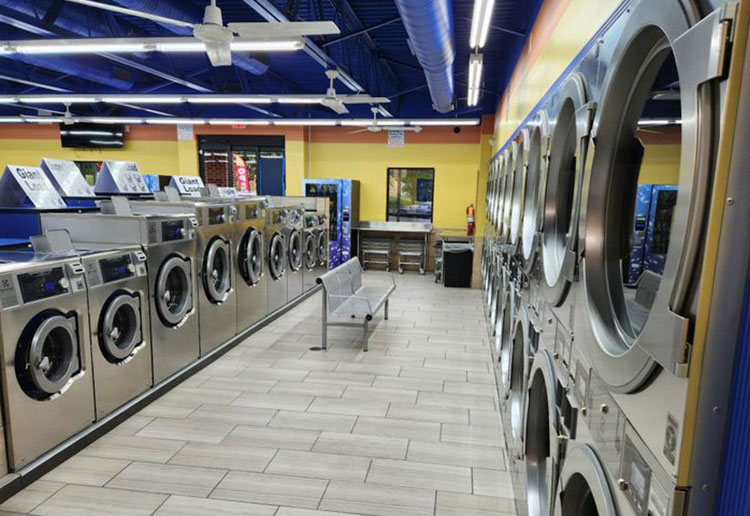
- Commercial laundry services
Core Components of an RFID Laundry System
Although system configurations vary, most RFID laundry management setups include the following core elements:
1. RFID Laundry Tags
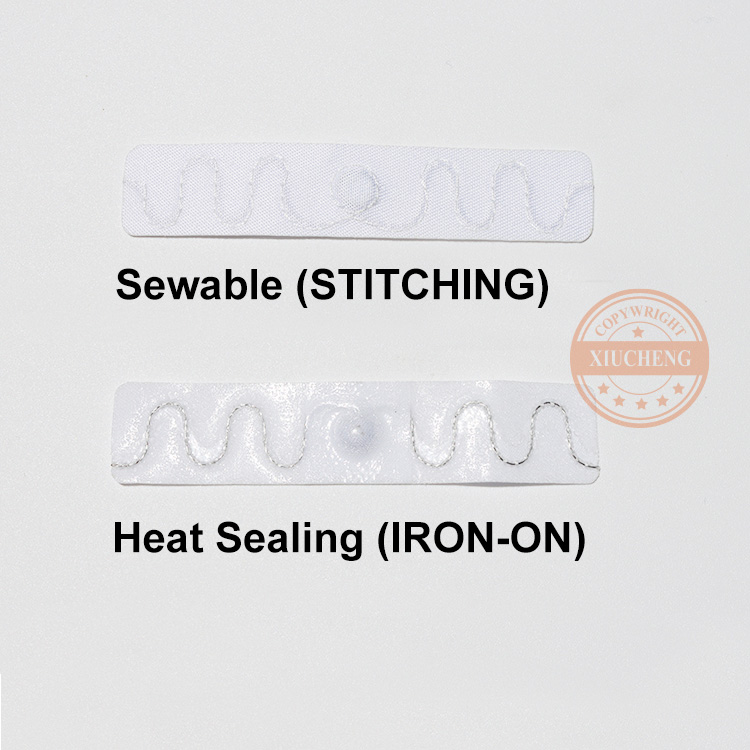
These are washable, heat-resistant textile RFID tags designed to survive hundreds of industrial wash cycles. Tags are sewn into hems, heat-sealed, or inserted into fabric pouches.
Common features include:
- UHF technology (860–960 MHz) for long read range
- Resistance to high temperatures, pressure, and chemicals
- Guaranteed wash cycles (often 200+ washes)
In RFID laundry management, the tag itself is the foundation. System performance depends heavily on tag durability and read consistency.
2. RFID Readers and Antennas
RFID readers are installed at key process points, such as:
- Soiled linen intake
- Post-wash sorting lines
- Packing and dispatch areas
With UHF RFID, hundreds of tagged items can be read simultaneously as they pass through a reading zone — no manual scanning required.
3. Backend Software (Customer Side)
The software layer collects tag data and converts it into actionable information, such as:
- Inventory counts
- Wash cycle history
- Loss rates
- Utilization reports
As a manufacturer, XIUCHENG RFID focuses on producing reliable RFID laundry tags, which integrate seamlessly with third-party RFID systems and software platforms.
How RFID Laundry Management Works Step by Step
Step 1: Tagging the Linen
Each linen or garment is fitted with an RFID laundry tag before entering service. The tag’s unique ID is linked to item data such as type, size, location, or customer account.
Step 2: Automated Tracking During Laundry Cycles
As tagged items move through washing, drying, and finishing processes, RFID readers automatically capture tag data in bulk. This eliminates manual counting errors and speeds up processing.
Step 3: Sorting and Distribution
After laundering, RFID systems help:
- Automatically sort items by customer or type
- Verify shipment accuracy
- Reduce misdelivery and losses
Step 4: Lifecycle Monitoring
Over time, RFID data reveals:
- How many wash cycles each item has completed
- When items should be replaced
- Which customers or locations have higher loss rates
This allows operators to make informed purchasing and replacement decisions.
Why UHF RFID Is Preferred for Laundry Applications
While HF and LF RFID technologies exist, UHF RFID is the dominant choice for laundry management due to:
- Longer read distances (up to several meters)
- Fast bulk reading of large linen volumes
- Lower labor costs through automation
- Proven performance in industrial environments
UHF fabric laundry tags are specifically engineered to maintain performance despite heat, moisture, mechanical stress, and chemicals.
Benefits of RFID Laundry Management for Operators
Implementing RFID laundry management delivers measurable operational benefits:
- Reduced linen loss and shrinkage
- Faster processing and turnaround times
- Accurate inventory visibility
- Lower labor costs
- Improved billing accuracy for rental services
- Extended textile lifespan through data-driven control
For large-scale operations, RFID often delivers ROI within a short period.
Choosing the Right RFID Laundry Tags
Not all RFID laundry tags perform the same. Key selection factors include:
- Chip type (e.g. UCODE 8, UCODE 9)
- Tag size and form factor
- Attachment method (sewn-in, heat-sealed, pouch)
- Wash cycle rating
- Chemical and temperature resistance
Working directly with an RFID tag manufacturer ensures the tag specification matches your operational environment.
Conclusion
RFID laundry management has become an essential tool for industrial laundries, hotels, healthcare facilities, and uniform rental providers. By combining durable RFID laundry tags with automated reading, operators gain full visibility into their textile assets while reducing costs and losses.
XIUCHENG RFID manufactures UHF fabric laundry tags and RFID linen labels designed specifically for industrial laundry environments, supporting large-scale deployments worldwide with consistent quality and stable performance.