


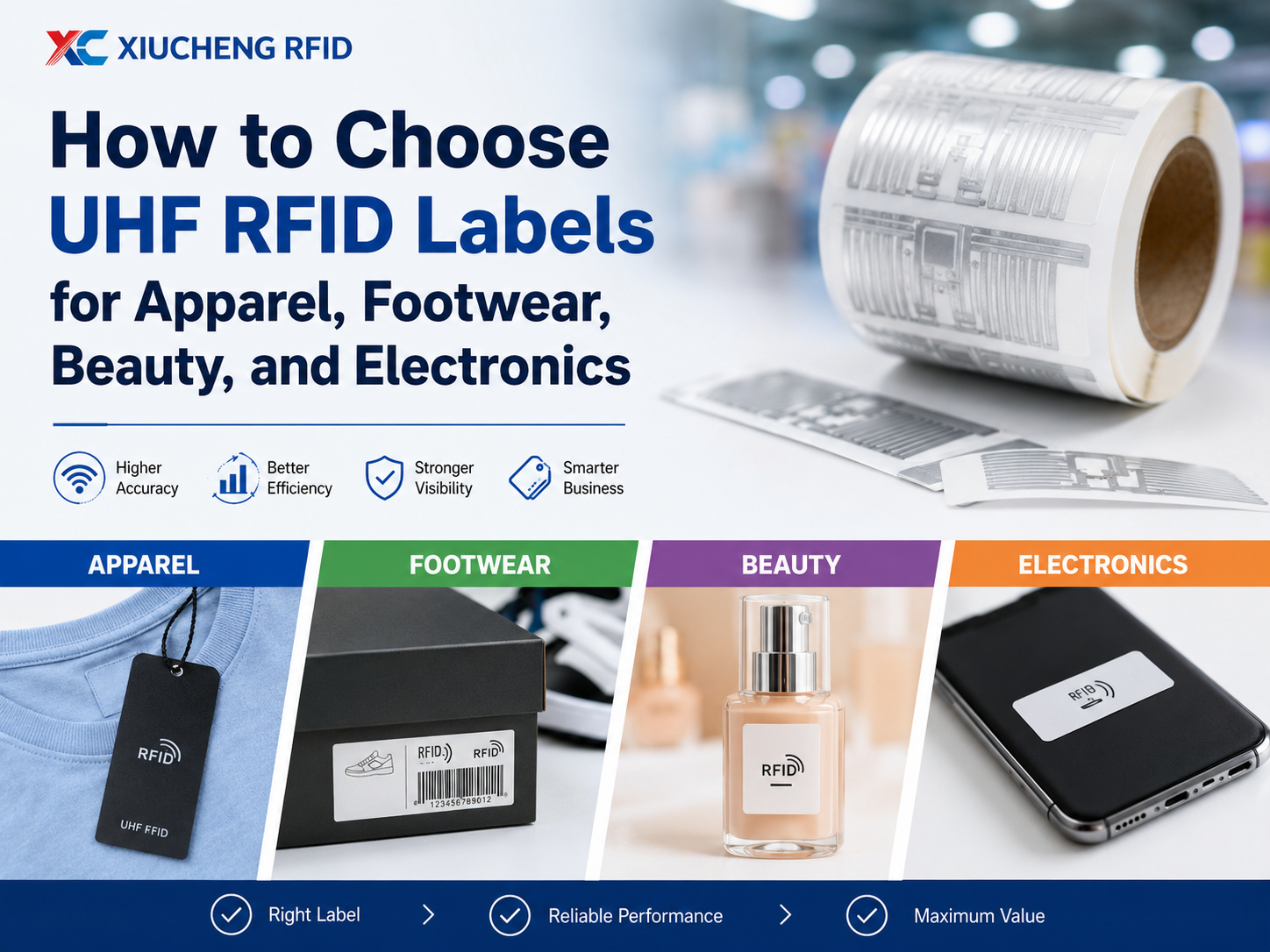
Con l'adozione sempre più diffusa della tecnologia RFID nei settori della vendita al dettaglio e della catena di approvvigionamento, un numero crescente di marchi sta integrando etichette RFID UHF nei propri prodotti per migliorare l'accuratezza dell'inventario, ridurre i costi di manodopera e garantire la visibilità in tempo reale.
Tuttavia, molti acquirenti si rendono presto conto che non esiste un'etichetta RFID universale adatta a ogni categoria di prodotto. Un'etichetta che funziona perfettamente su una maglietta di cotone potrebbe rivelarsi del tutto inadatta se applicata a un flacone di cosmetici o a un dispositivo elettronico.
Per i rivenditori, i produttori e gli integratori di sistemi, la scelta dell'etichetta RFID più adatta è una delle decisioni più importanti per garantire il successo dell'implementazione della tecnologia RFID.
Questa guida spiega come scegliere le etichette RFID UHF per abbigliamento, calzature, prodotti di bellezza ed elettronica, evitando gli errori più comuni che comportano scarse prestazioni di lettura e un aumento dei costi di progetto.
Perché la scelta delle etichette RFID è importante
L'affidabilità di un sistema RFID dipende interamente dall'affidabilità dei tag applicati ai prodotti.
Anche quando si utilizzano lettori e antenne RFID di alta qualità, una scelta errata delle etichette può comportare:
- Bassi tassi di lettura
- Inventario mancante
- Procedure di ricezione lente
- Sistemi di pagamento self-service non funzionanti
- Insoddisfazione dei clienti
- Costi operativi più elevati
I diversi materiali dei prodotti interagiscono in modo diverso con le onde radio UHF. Fattori quali la presenza di metallo, la presenza di liquidi, il design della confezione e le dimensioni del prodotto influenzano in modo significativo le prestazioni della tecnologia RFID.
Pertanto, è fondamentale selezionare i tag in base alle caratteristiche del prodotto, e non semplicemente al prezzo.
Fattori chiave da considerare prima di scegliere le etichette RFID
Prima di ordinare etichette RFID, gli acquirenti dovrebbero valutare cinque fattori fondamentali.
Materiale del prodotto
Il materiale che ricopre l'etichetta RFID è quello che influisce maggiormente sulle prestazioni.
Gli esempi includono:
- Tessuti e prodotti tessili
- Pelle
- Plastica
- Vetro
- Contenitori riempiti di liquido
- Superfici metalliche
I segnali RFID UHF attraversano facilmente alcuni materiali, ma possono essere assorbiti o riflessi da altri.
Ad esempio:
I capi in cotone offrono in genere eccellenti prestazioni RFID, mentre i dispositivi elettronici in metallo possono ridurre drasticamente la portata di lettura.
Requisiti relativi alla portata di lettura
Applicazioni diverse richiedono distanze di lettura diverse.
Esempi tipici:
| Applicazione | Intervallo di lettura richiesto |
|---|---|
| Cassa del negozio | da 1 a 3 metri |
| Censimento delle scorte | 3–8 metri |
| Portali di magazzino | 5–10 metri |
| Centri di distribuzione | 6–12 metri |
La scelta di un tag con una portata di lettura insufficiente spesso causa colli di bottiglia operativi.
Dimensioni dell'etichetta
Le antenne più grandi garantiscono in genere prestazioni di lettura migliori.
Tuttavia, la confezione del prodotto potrebbe limitare lo spazio disponibile.
Gli acquirenti devono trovare un equilibrio tra:
- Prestazioni dei tag
- Aspetto del prodotto
- Vincoli relativi all'imballaggio
- Requisiti relativi al marchio
Requisiti di memoria
La maggior parte delle applicazioni per la vendita al dettaglio richiede solo la memoria EPC.
Potrebbe essere necessaria memoria aggiuntiva per:
- Autenticazione del prodotto
- Dati di produzione
- Informazioni sulla garanzia
- Tracciamento in serie
Per molti progetti, la codifica EPC standard è sufficiente.
Standard di settore
I fornitori del settore retail richiedono sempre più spesso il rispetto dei seguenti requisiti:
L'utilizzo di etichette RFID standardizzate garantisce la compatibilità con i sistemi di vendita al dettaglio a livello globale.
La scelta delle etichette RFID per l'abbigliamento
Il settore dell'abbigliamento è attualmente il principale utilizzatore di tecnologia RFID a livello mondiale.
I principali rivenditori utilizzano la tecnologia RFID per:
- Visibilità dell'inventario
- Adempimenti omnichannel
- Self-checkout
- Prevenzione delle perdite
- Conteggio automatico delle scorte
Caratteristiche consigliate per le etichette RFID
Per le applicazioni nel settore dell'abbigliamento, cerca:
- Inlay RFID flessibili
- Etichette RFID in carta
- Integrazione dei cartellini appesi
- Lungo raggio di lettura
- Lettura veloce in blocco
Tipi di etichette ideali
Tra le etichette RFID comunemente utilizzate nel settore dell'abbigliamento figurano:
- Etichette RFID da appendere
- Etichette tessute RFID
- Etichette RFID per la cura dei capi
- Etichette adesive RFID
Considerazioni sulle prestazioni
I tessuti, in generale, creano un ambiente ideale per la tecnologia RFID UHF.
Poiché i capi di abbigliamento contengono poche parti metalliche o liquidi, è possibile ottenere tassi di lettura superiori a 99% quando i tag sono posizionati correttamente.
Le migliori scelte in fatto di chip
Tra i chip RFID più diffusi nel settore della vendita al dettaglio figurano:
- Serie UCODE di NXP
- Serie Impinj M700
- Serie Impinj M800
Questi chip offrono un'eccellente sensibilità e sono adatti a implementazioni su larga scala nel settore della vendita al dettaglio.
La scelta delle etichette RFID per le calzature
Il settore calzaturiero presenta sfide particolari in materia di RFID, poiché le scarpe spesso contengono:
- Gomma
- Schiuma
- Pelle
- Occhielli metallici
- Confezionamento compatto
La posizione dell'etichetta RFID influisce in modo significativo sulle prestazioni.
Posizionamento consigliato
Le collocazioni più comuni includono:
- Etichette per scatole da scarpe
- Etichette da appendere
- Etichette interne alla linguetta
- Adesivi per imballaggi
Molti marchi di calzature preferiscono apporre l'etichetta sulla scatola piuttosto che sulla scarpa stessa.
Caratteristiche RFID consigliate
Cercare:
- Antenne di medie dimensioni
- Elevata tolleranza all'orientamento
- Prestazioni affidabili nella lettura in blocco
Vantaggi della filiera delle calzature
La RFID consente:
- Ricezione più veloce
- Verifiche automatizzate delle scorte
- Rifornimento ottimizzato
- Riduzione delle discrepanze di magazzino
I grandi marchi di calzature raggiungono regolarmente un livello di accuratezza delle scorte superiore al 95%.
La scelta delle etichette RFID per i prodotti di bellezza
I prodotti di bellezza e cosmetici sono spesso più difficili da etichettare perché molti contengono liquidi.
Gli esempi includono:
- Profumo
- Shampoo
- Lozione
- Fondazione
- Prodotti per la cura della pelle
I liquidi assorbono i segnali radio UHF, riducendo potenzialmente la portata di lettura.
Etichette RFID consigliate
Per quanto riguarda i prodotti di bellezza, prendi in considerazione:
- Etichette RFID specializzate resistenti ai liquidi
- Etichette RFID con supporto in schiuma
- Inlay RFID ottimizzati per il settore retail
L'imballaggio è importante
Le prestazioni della tecnologia RFID variano a seconda che i prodotti siano confezionati in:
- Bottiglie di plastica
- Contenitori in vetro
- Tubi di alluminio
- Imballaggi compositi
Si raccomanda vivamente di testare campioni reali del prodotto prima della messa in opera.
Casi d'uso comuni della tecnologia RFID
I marchi di cosmetici utilizzano la tecnologia RFID per:
- Monitoraggio delle scorte
- Protezione contro la contraffazione
- Rifornimento del negozio
- Scaffali intelligenti
- Adempimenti omnichannel
Le aziende di cosmetici di lusso combinano sempre più spesso la tecnologia RFID con strategie di autenticazione NFC.
La scelta delle etichette RFID per i prodotti elettronici
L'elettronica è tra le applicazioni RFID più impegnative.
I prodotti contengono spesso:
- Componenti metallici
- Batterie
- Circuiti stampati
- Materiali di schermatura
Tutti questi fattori possono interferire con i segnali RFID.
Prodotti elettronici tipici
Gli esempi includono:
- Smartphone
- Tablette
- Computer portatili
- Cuffie
- Caricabatterie portatili
- Dispositivi intelligenti
Soluzioni RFID consigliate
Per quanto riguarda l'elettronica, gli acquirenti dovrebbero tenere in considerazione:
- Etichette RFID su metallo
- Etichette RFID con distanziatore in schiuma
- Tag RFID specializzati anti-metallo
Le etichette RFID in carta standard spesso non funzionano correttamente se applicate direttamente su superfici metalliche.
Leggi "Test delle prestazioni"
Eseguire sempre i test su:
- Unità di prodotto effettive
- Confezionamento finale
- Configurazioni degli espositori per la vendita al dettaglio
Piccoli cambiamenti nella posizione possono migliorare notevolmente l'affidabilità della lettura.
Vantaggi in termini di sicurezza
Le etichette RFID possono inoltre supportare:
- Gestione delle attività
- Monitoraggio della garanzia
- Autenticazione del prodotto
- Prevenzione dei furti
Molti rivenditori di elettronica di consumo si affidano alla tecnologia RFID per ridurre le perdite di magazzino e migliorare la visibilità delle scorte.
Confronto tra i requisiti delle etichette RFID nei diversi settori industriali
| Settore industriale | Sfida principale | Etichetta RFID consigliata |
|---|---|---|
| Abbigliamento | Scorte di grandi volumi | Etichette RFID da appendere |
| Calzature | Varianti di confezionamento | Etichette RFID per scatole |
| Bellezza | Interferenza liquida | Etichette resistenti ai liquidi |
| Elettronica | Interferenze metalliche | Etichette RFID su metallo |
Questo confronto mette in evidenza perché la scelta dei tag in base alle caratteristiche del prodotto sia più efficace rispetto all'utilizzo di un unico tipo di etichetta per tutte le categorie.
Errori comuni nella scelta delle etichette RFID
Molti acquirenti alle prime armi nel settore RFID commettono i seguenti errori.
Scegliere basandosi esclusivamente sul prezzo
Il marchio più economico raramente rappresenta l'opzione più conveniente.
Un rendimento insufficiente può comportare:
- Ritardi operativi
- Costi aggiuntivi per il personale
- Riorganizzazione delle voci di spesa
Trascurare i test sui prodotti
Le specifiche di laboratorio non riflettono sempre le prestazioni effettive.
È fondamentale testare i prodotti reali.
Panoramica sul packaging
Le prestazioni della tecnologia RFID dipendono dai seguenti fattori:
- Imballaggio del prodotto
- Scatole da spedizione
- Espositori da scaffale
I test dovrebbero includere la configurazione completa dell'imballaggio.
Scelta del chip sbagliato
Chip diversi offrono caratteristiche diverse:
- Livelli di sensibilità
- Capacità di memoria
- Leggi le caratteristiche prestazionali
La scelta del chip deve essere in linea con i requisiti del progetto.
Perché affidarsi a un produttore esperto di etichette RFID
Un produttore esperto nel settore RFID può aiutare gli acquirenti a:
- Selezionare l'intarsio ottimale
- Verifica della compatibilità del prodotto
- Personalizza le dimensioni delle etichette
- Fornire la codifica EPC
- Garantire la conformità nel settore della vendita al dettaglio
Anziché acquistare etichette RFID generiche, molti marchi ottengono risultati migliori grazie a soluzioni RFID personalizzate, studiate su misura per i propri prodotti e flussi di lavoro.
Noi di XIUCHENG RFID aiutiamo le aziende dei settori dell'abbigliamento, delle calzature, della bellezza e dell'elettronica a valutare le caratteristiche dei prodotti e a scegliere etichette RFID in grado di garantire prestazioni affidabili lungo tutta la catena di approvvigionamento.
Considerazioni finali
Scegliere l'etichetta RFID UHF giusta non significa semplicemente selezionare un chip o un'antenna. È necessario comprendere in che modo i materiali del prodotto, l'imballaggio, i requisiti relativi alla portata di lettura e le condizioni ambientali influenzano le prestazioni del sistema RFID.
Per l'abbigliamento, le etichette RFID standard per la vendita al dettaglio offrono spesso risultati eccellenti. Per le calzature, il posizionamento dell'etichetta diventa fondamentale. Per i prodotti di bellezza, sono in genere richiesti modelli resistenti ai liquidi. Per i dispositivi elettronici, le etichette RFID su metallo sono spesso l'unica soluzione affidabile.
Effettuando test adeguati e collaborando con un produttore esperto di etichette RFID, le aziende possono ottenere una maggiore precisione di lettura, operazioni più veloci e un ritorno sull'investimento RFID più elevato.


