


Introduction to Implant RFID Technology
An implant RFID microchip is a small, passive radio-frequency identification device designed to be implanted under the skin for long-term identification. Unlike external tags or cards, implant RFID solutions are intended to remain with the subject permanently, enabling reliable identification throughout its lifetime.
Implant RFID microchips are commonly used in animal identification systems, but have also been explored in controlled access, research, and experimental human-use scenarios.
What Is a Microchip Implant
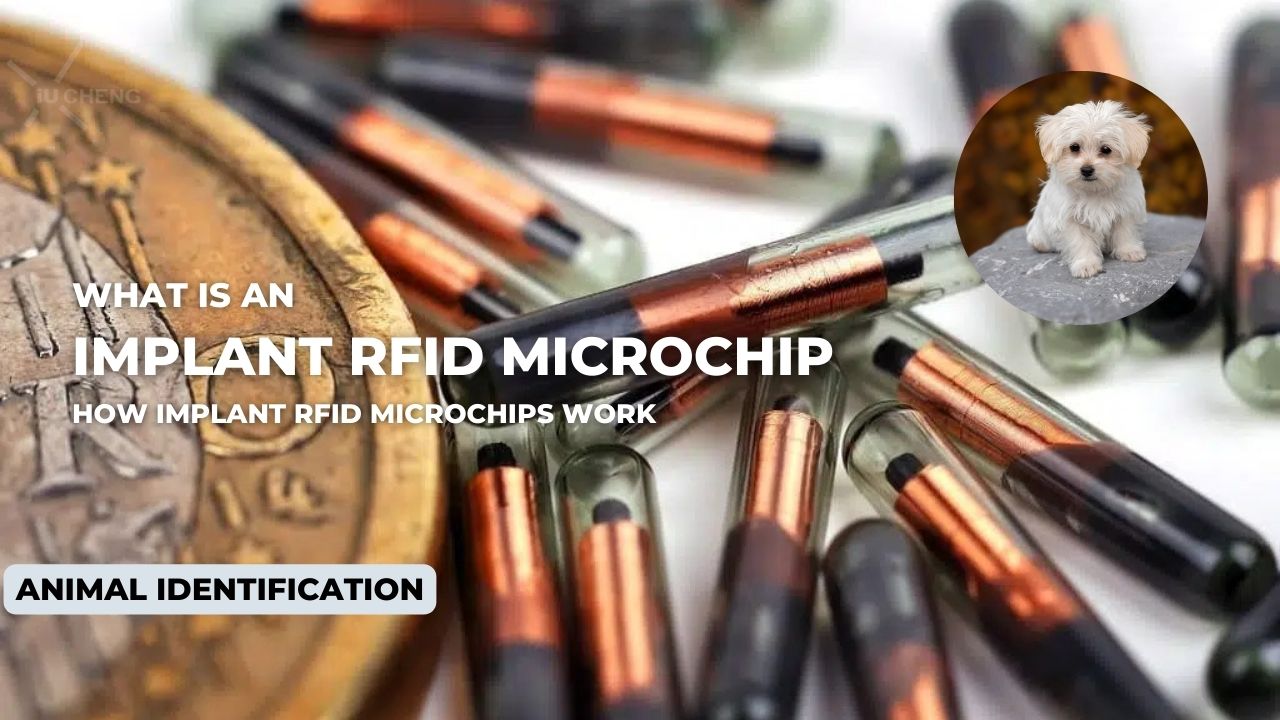
A microchip implant typically consists of three main components:
- A miniature RFID integrated circuit
- A copper coil antenna
- A biocompatible glass capsule
The glass capsule isolates the electronics from body fluids and prevents tissue reactions. Most implant RFID microchips are passive, meaning they contain no internal battery and are powered by the electromagnetic field generated by an RFID reader.
Frequencies and Standards Used in Implant RFID
Implant RFID systems usually operate in the low-frequency (LF) range, most commonly at 134.2 kHz or 125 kHz. These frequencies are selected for their ability to penetrate biological tissue and function reliably regardless of orientation.
Globally recognized standards for implant RFID microchips include:
- ISO 11784 – Data structure
- ISO 11785 – Communication protocol
These standards ensure interoperability between microchips, scanners, and animal registration databases.
Learn more: FDX-B vs. HDX: Which Animal RFID Tags Should You Choose?
Typical Applications of Implant RFID Microchips
Implant RFID microchips are widely used in scenarios where permanent identification is required:
- Companion animal identification (cats and dogs)
- Livestock traceability and disease control
- Wildlife monitoring and conservation programs
- Research and breeding management
- Secure identity verification in controlled environments
Compared to external tags, implant RFID solutions reduce the risk of loss, tampering, or environmental damage.
Safety and Biocompatibility Considerations
Safety is a critical factor for any microchip implant. Implant RFID microchips are typically encased in biocompatible glass, designed to minimize immune response and ensure long-term stability within the body.
Proper implantation procedures and sterile packaging are essential to reduce the risk of infection. In regulated animal identification programs, microchip performance and materials are often evaluated against international compliance guidelines.
Learn more: Why Bioglass Is Critical for Animal RFID Tags Safety
Implant RFID vs External RFID Tags
While implant RFID microchips offer permanent identification, they are not suitable for every application. External RFID tags—such as ear tags, collars, or labels—may be preferred when removal, visibility, or long-range reading is required.
Implant RFID is most effective when lifetime identity continuity is more important than read distance or visual identification.
Future Development of Implant RFID Technology
Ongoing development in implant RFID focuses on:
- Improved glass materials and coatings
- Enhanced chip memory and data security
- Integration with temperature sensing
- Greater global standardization
As identification systems become more data-driven, implant RFID microchips are expected to play an increasingly important role in regulated identification environments.


