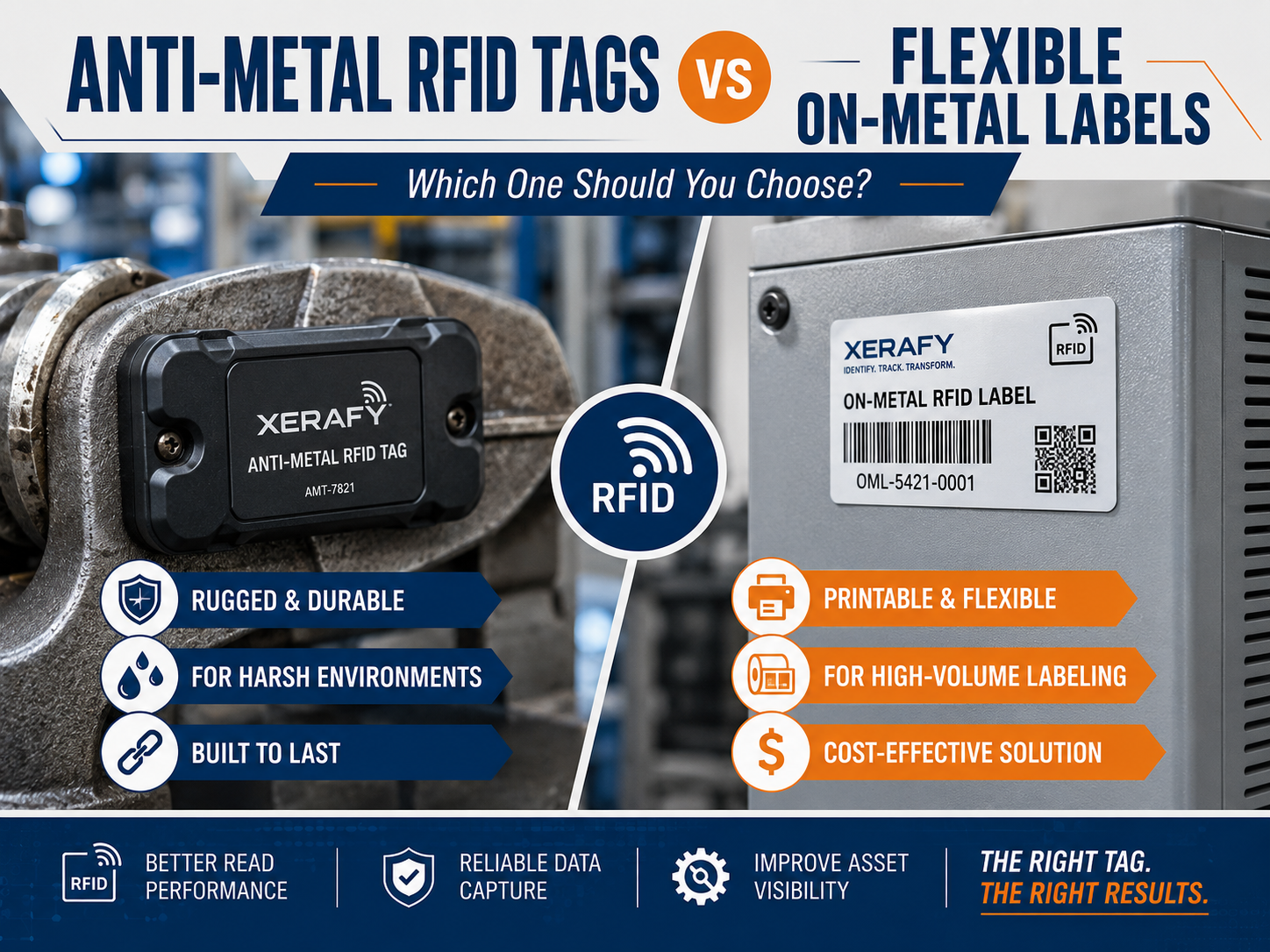
Anti-Metal RFID Tags vs Flexible On-Metal Labels: Which One Should You Choose?
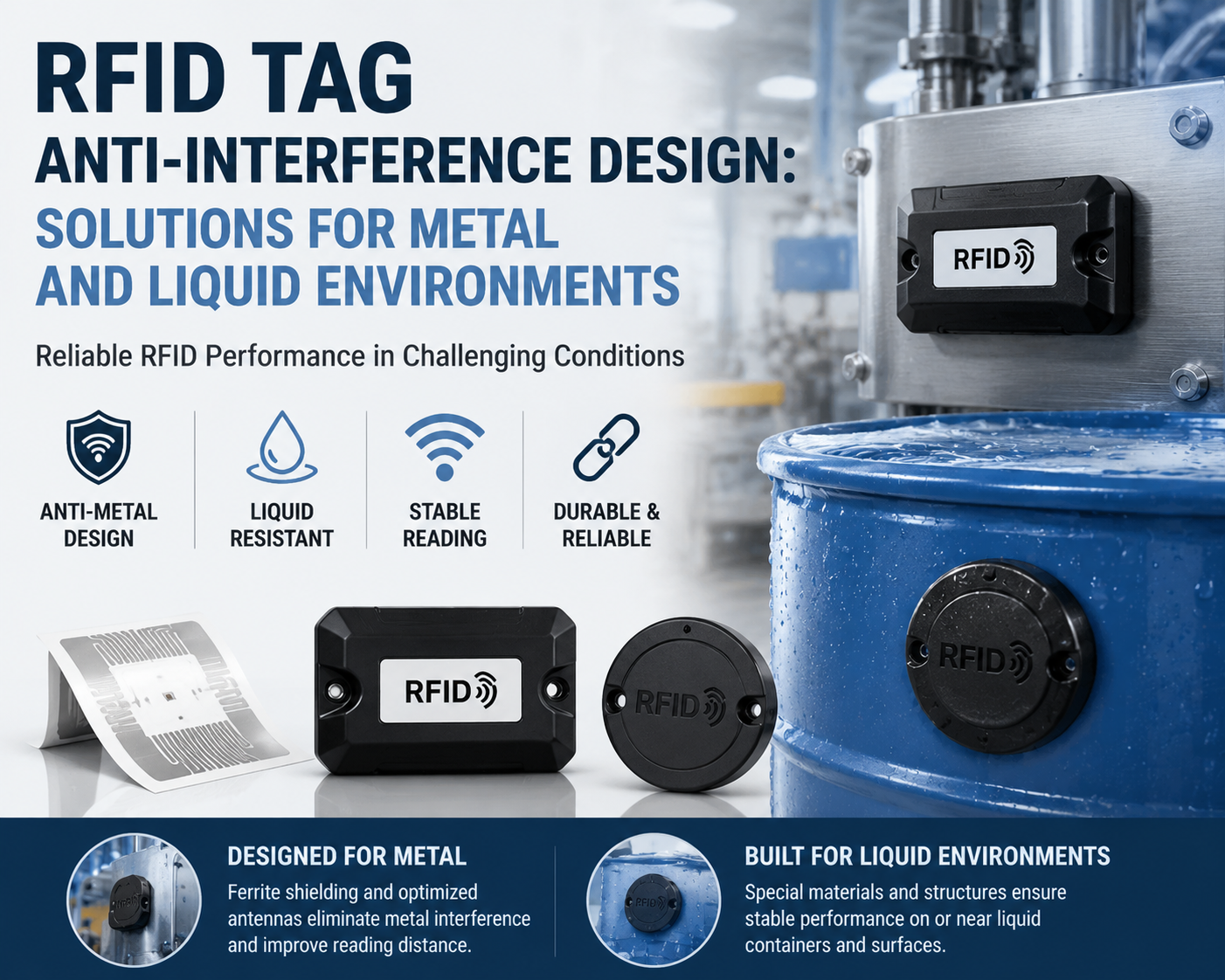
Metal assets create one of the most demanding environments for RFID deployment. A standard UHF RFID label that performs well on cardboard, plastic, or paper

Metal assets create one of the most demanding environments for RFID deployment. A standard UHF RFID label that performs well on cardboard, plastic, or paper

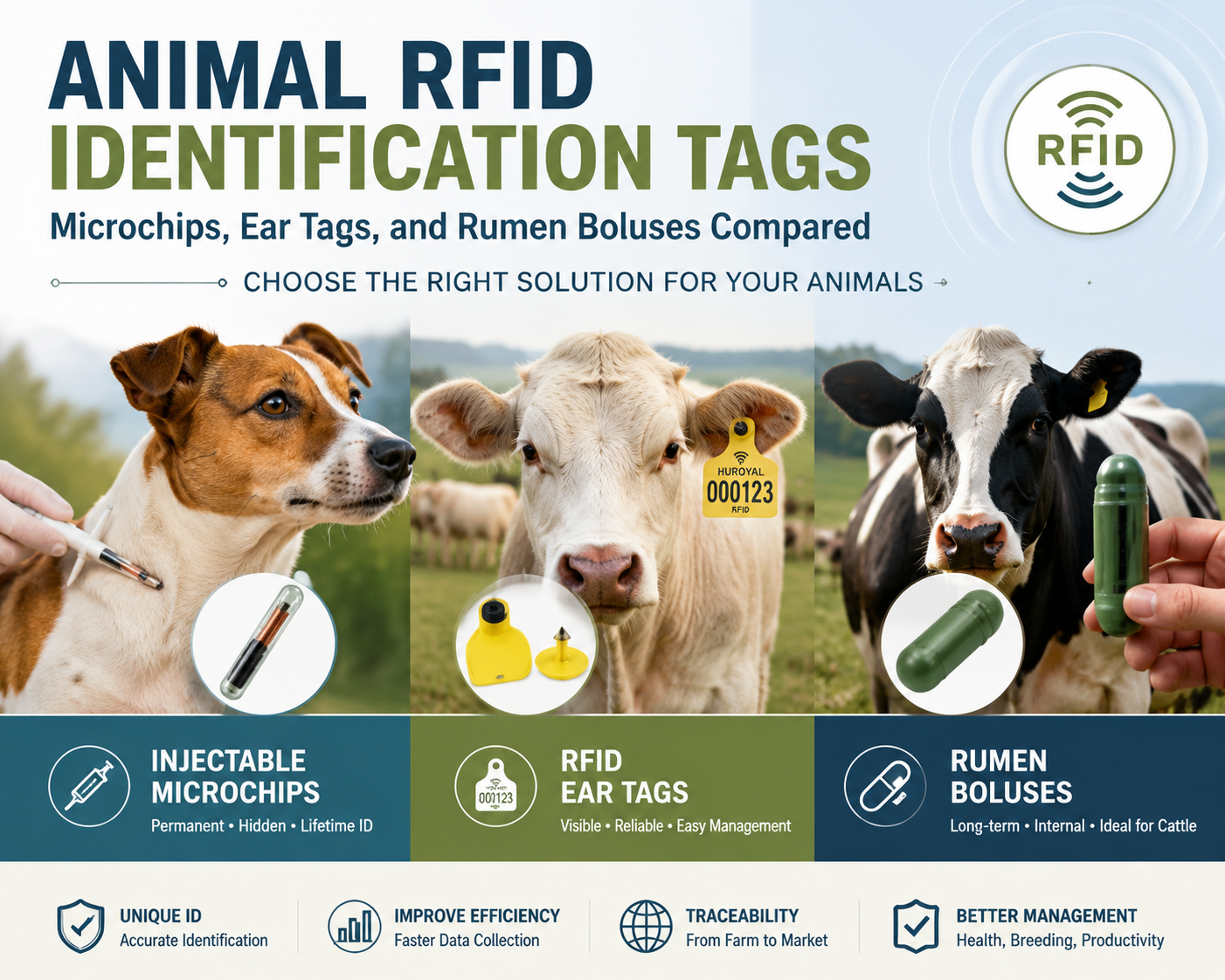
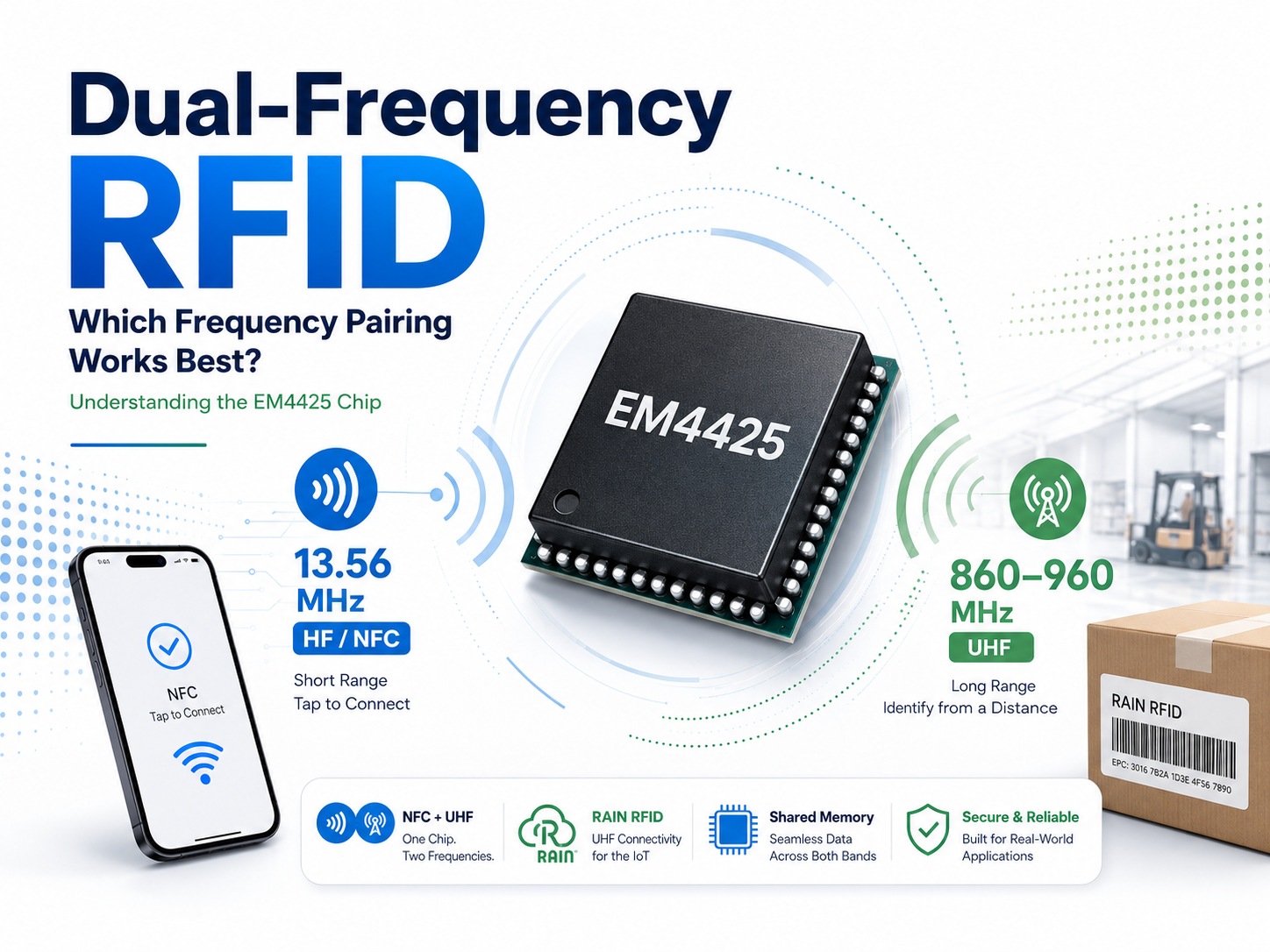
A conventional RFID tag normally operates in one frequency band. A low-frequency animal tag may operate around 134.2 kHz. An NFC label operates at 13.56

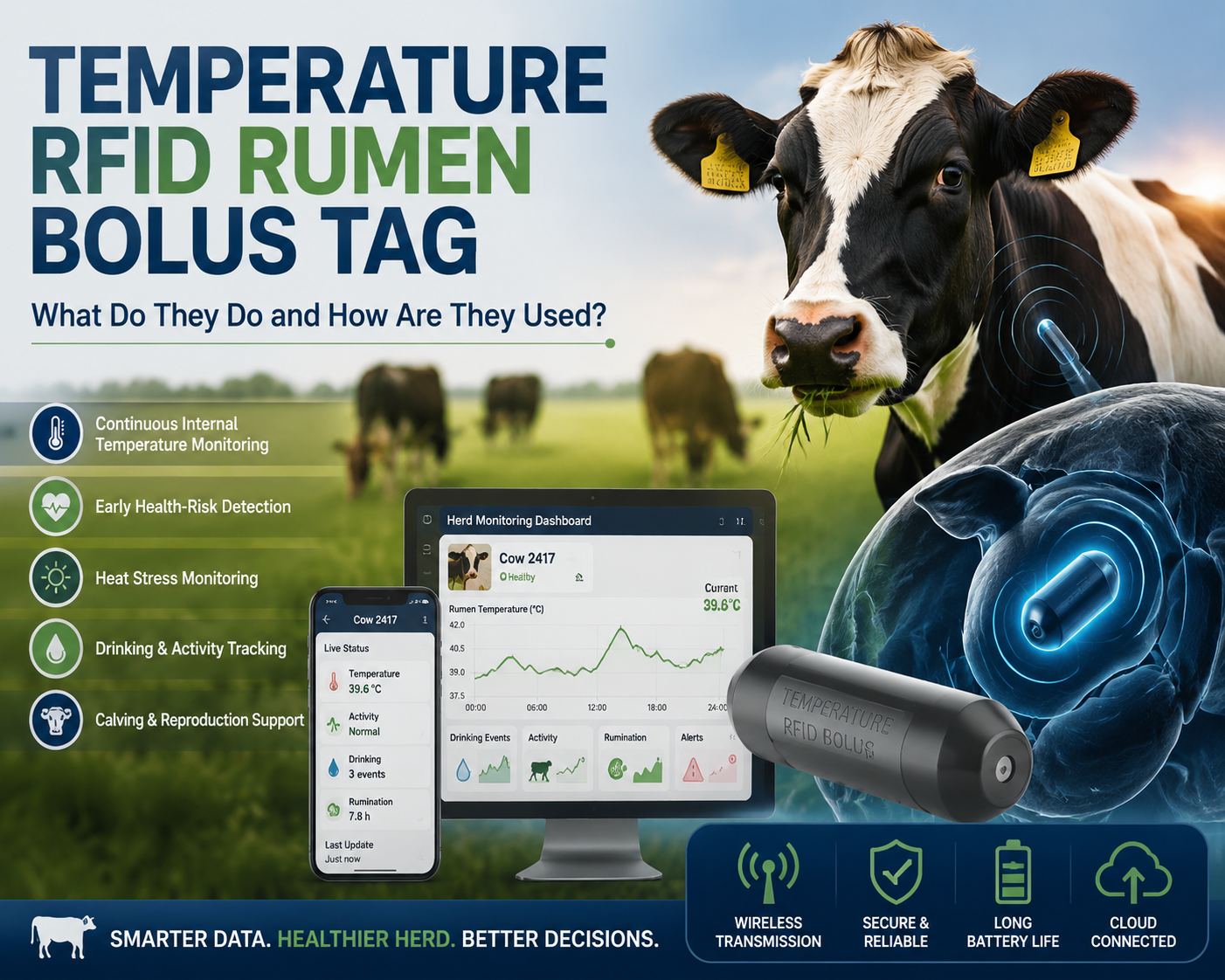
Measuring the temperature of every cow with a handheld thermometer is impractical on a commercial farm. The process requires labor, restraining animals and direct contact,

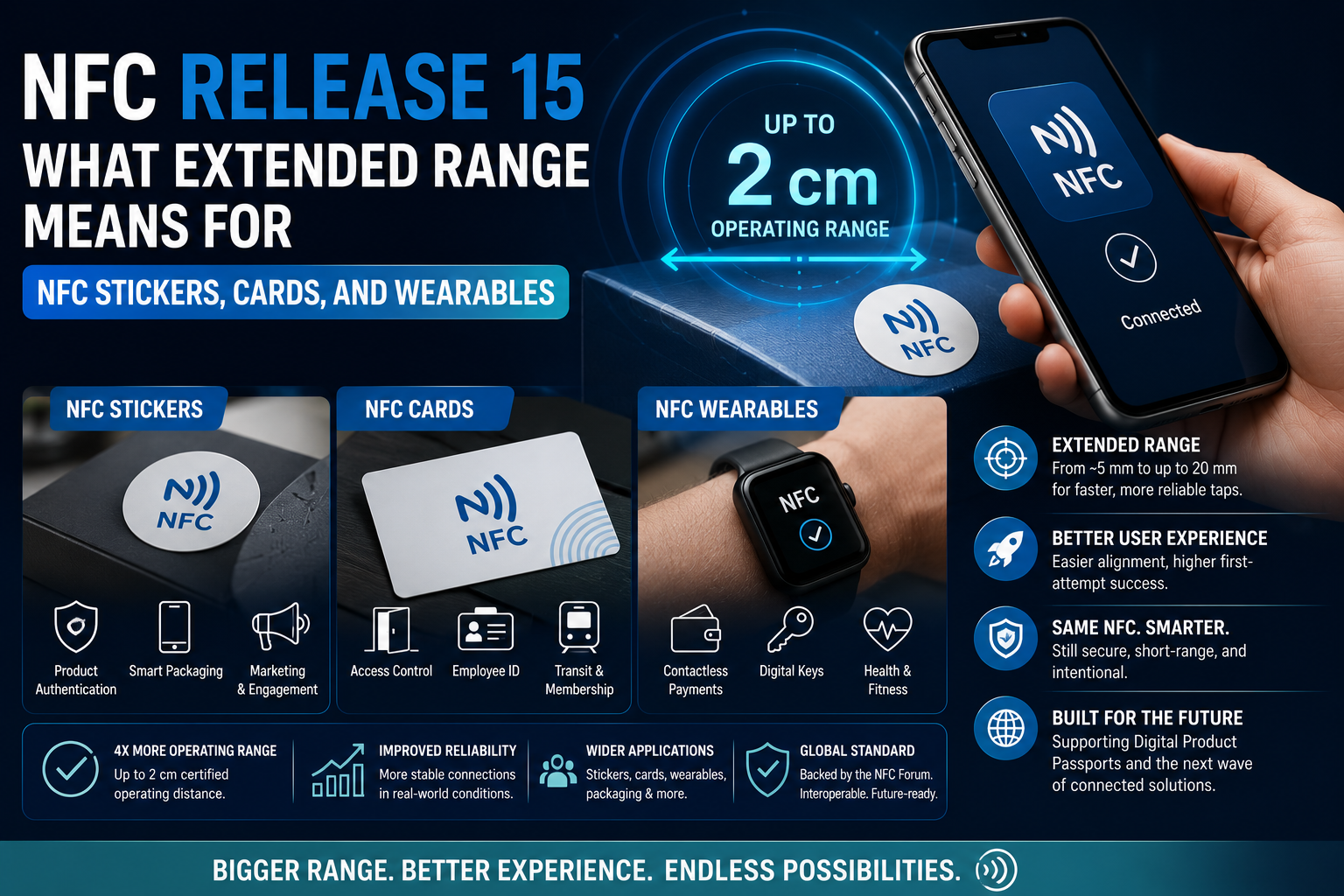
NFC tags are widely used for product identification, equipment management, digital product information, authentication and customer engagement. However, a standard NFC label usually performs poorly

RFID laundry tags are designed to survive conditions that would quickly destroy ordinary RFID labels: repeated washing, high-temperature drying, chemical exposure, water extraction, ironing and

Pharmaceutical logistics has to answer three questions at every stage of distribution: Is this the correct product? Has it remained within its approved storage conditions?

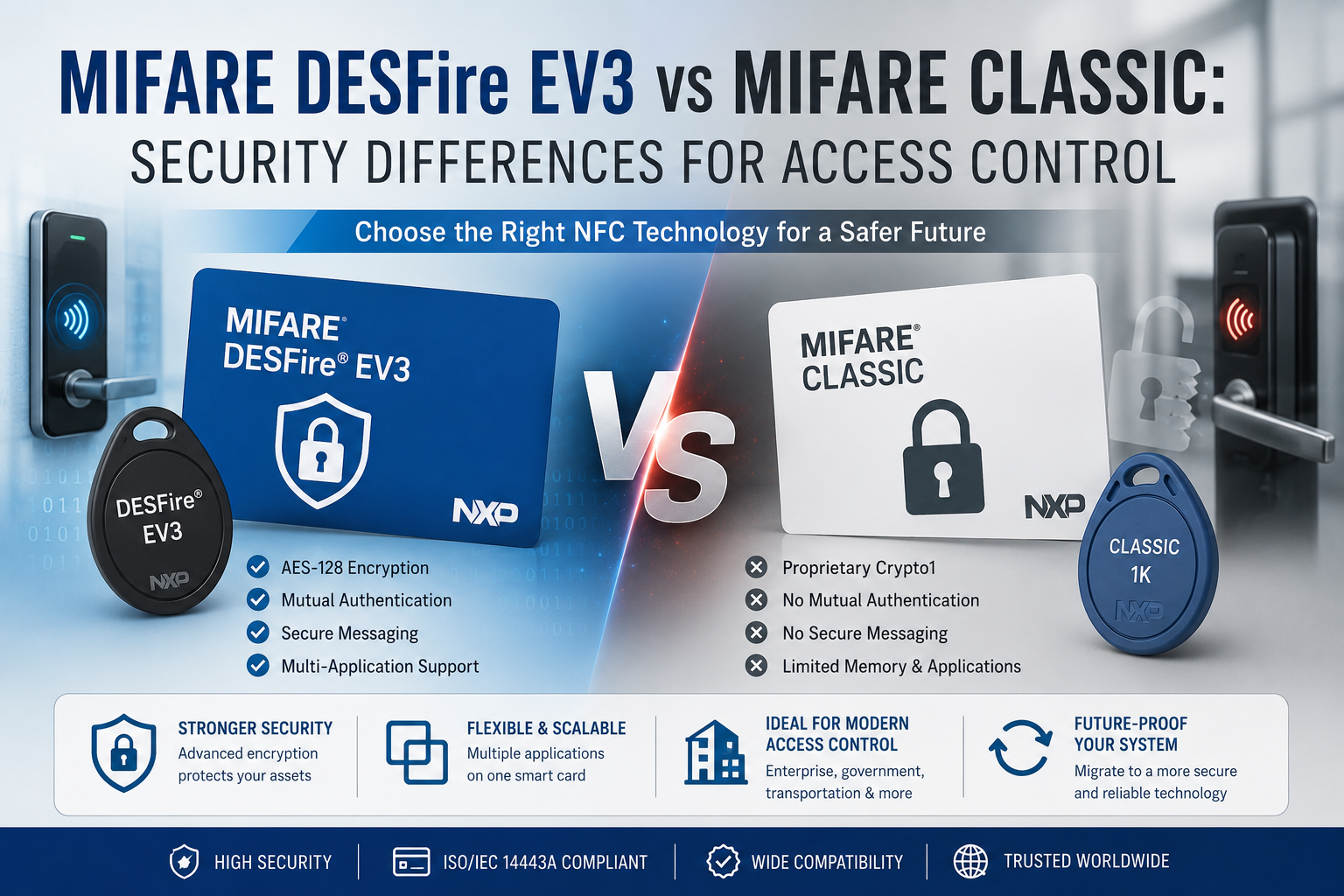
As RFID access control systems evolve, security is no longer optional—it is the foundation of system design. Traditional RFID cards based on weak or proprietary

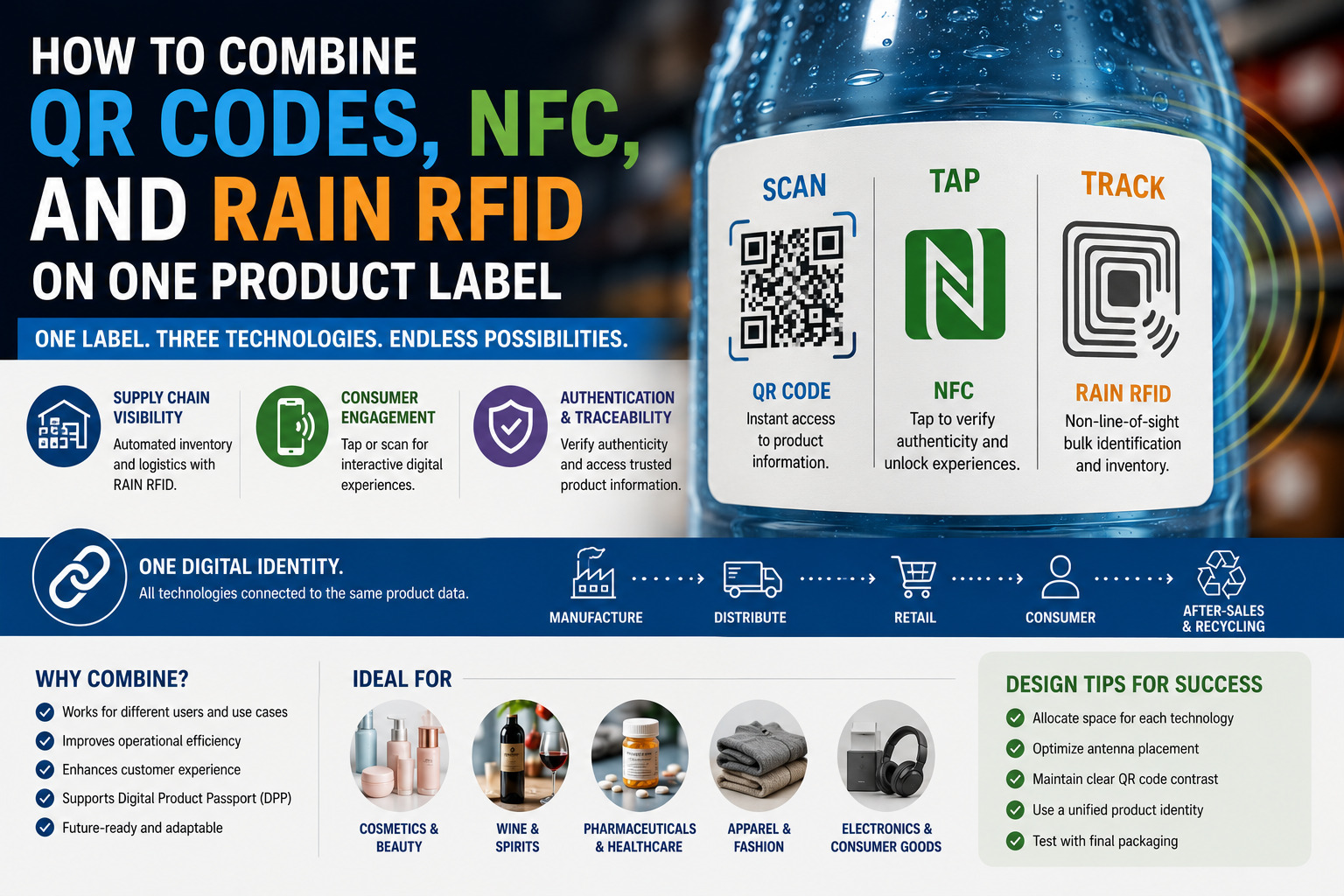
As RFID adoption continues to accelerate across retail and supply chain industries, more brands are integrating UHF RFID labels into their products to improve inventory

For any RFID system, read range is a critical performance metric. If your RFID tags aren’t reading at the expected distances, it can impact inventory

In warehouse RFID projects, readers, tags, and software often receive the most attention. However, one component can have a surprisingly large impact on system performance: