Warning: Undefined array key "url" in /www/wwwroot/rfid-pro.com/wp-content/plugins/seo-by-rank-math/includes/modules/schema/snippets/class-author.php on line 41

Author name: Jude

ntag213 vs ntag215 vs ntag216
RFID Chips

What’s the Difference Between NTAG213, NTAG215, and NTAG216?

A Complete Technical and Application Guide to NTAG21x NFC Chips NTAG213, NTAG215, and NTAG216—often collectively referred to as NTAG21x—are NFC chips developed by NXP Semiconductors and released at roughly the same time.All three comply with NFC Forum Type 2 Tag and ISO/IEC 14443 Type A standards, which means they share a high level of compatibility […]
Microchip Bioglass Tag Size
Animal Identification

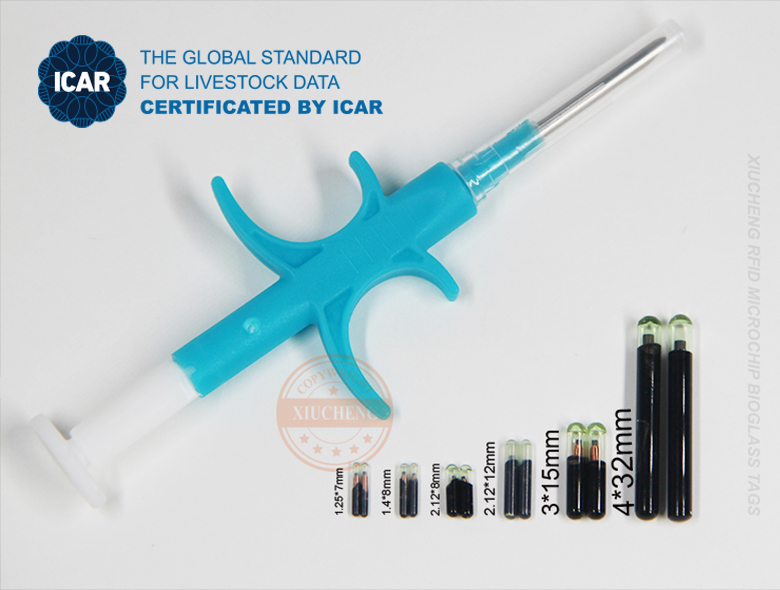
ICAR Certification and Its Importance in RFID Animal Tagging

In modern livestock management, accurate animal identification is essential for traceability, health monitoring, and regulatory compliance. ICAR-certified RFID tags ensure that animal tracking systems meet international standards and maintain reliability across various environments. What is ICAR Certification? The International Committee for Animal Recording (ICAR) establishes global standards for animal identification and performance recording. ICAR certification

Animal RFID Tags for Farms 1
Animal Identification

Animal RFID Tags for Farms & Zoos: Technologies, Standards & Use Cases

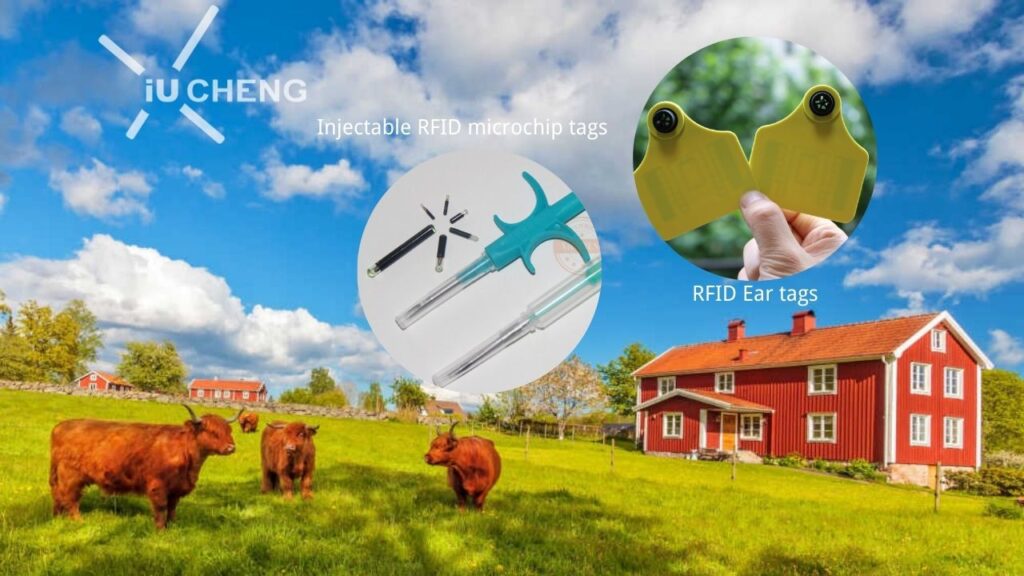
Animal RFID tags have become a foundational technology for modern livestock management, wildlife research, and zoo operations. By enabling reliable identification, traceability, and data collection across different species and environments, RFID-based animal tracking systems support better animal welfare, regulatory compliance, and operational efficiency. This guide explains how animal RFID tracking works, where it is used,

FDX B vs. HDX
Animal Identification

FDX-B vs. HDX: Which Animal RFID Tags Should You Choose?

Animal RFID identification systems rely primarily on two low-frequency (LF) transmission technologies defined under ISO 11784/11785: FDX-B (Full Duplex) and HDX (Half Duplex).While both are widely used for animal identification, they differ significantly in signal behavior, reading performance, system compatibility, and application suitability. This article provides a neutral, engineering-level comparison of FDX-B and HDX animal

Microchip Bioglass Tag 4
Animal Identification

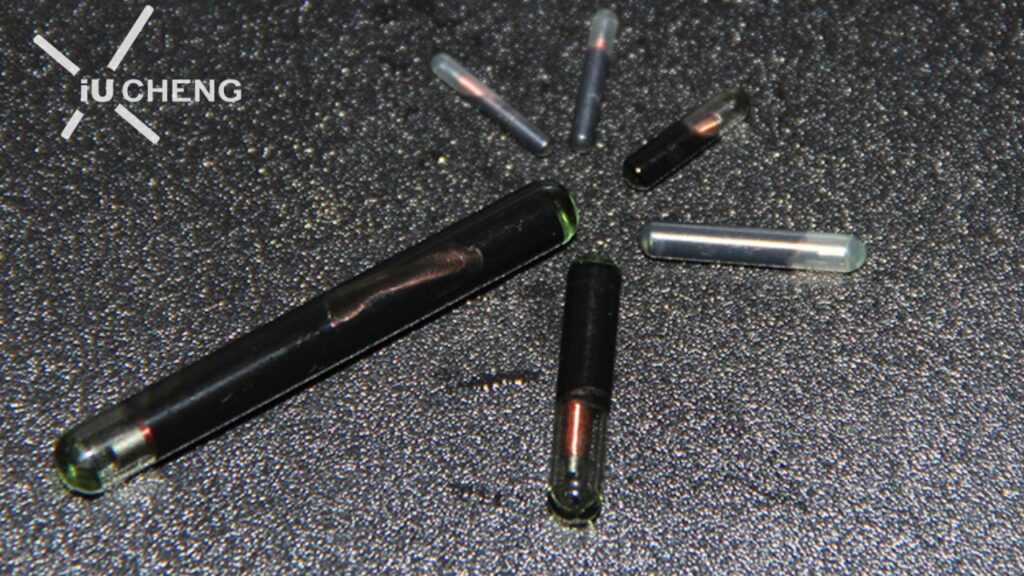
Why Bioglass Is Critical for Animal RFID Tags Safety

Animal RFID tags are widely used for identification, traceability, disease control, and ownership management across livestock, pets, and research animals. Among all technical components of an RFID animal microchip, the encapsulation material plays a decisive role in safety, durability, and long-term performance. Bioglass encapsulation has become the industry standard for injectable RFID animal microchip tags.

Tagging Guide for Linens
Laundry Management

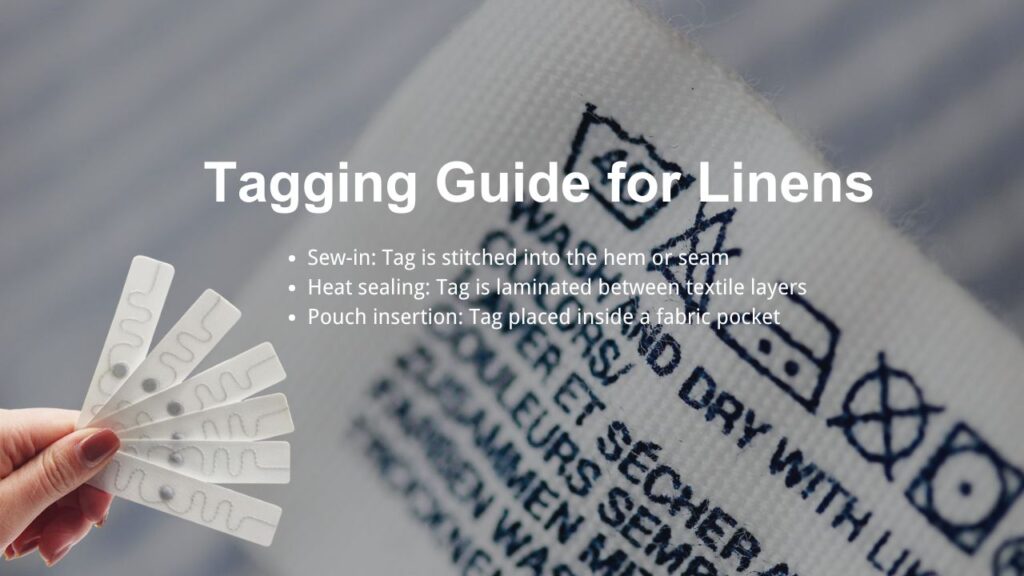
Tagging Guide for Linens

Proper tagging is the foundation of effective linen tracking in industrial laundry, hospitality, and healthcare environments. Without a reliable identification method, linens are easily lost, mixed, or prematurely retired. This tagging guide explains how RFID technology is used for linen identification, what types of RFID laundry tags are available, how they are applied to textiles,

UHF Fabric Laundry Tags Materials
Laundry Management

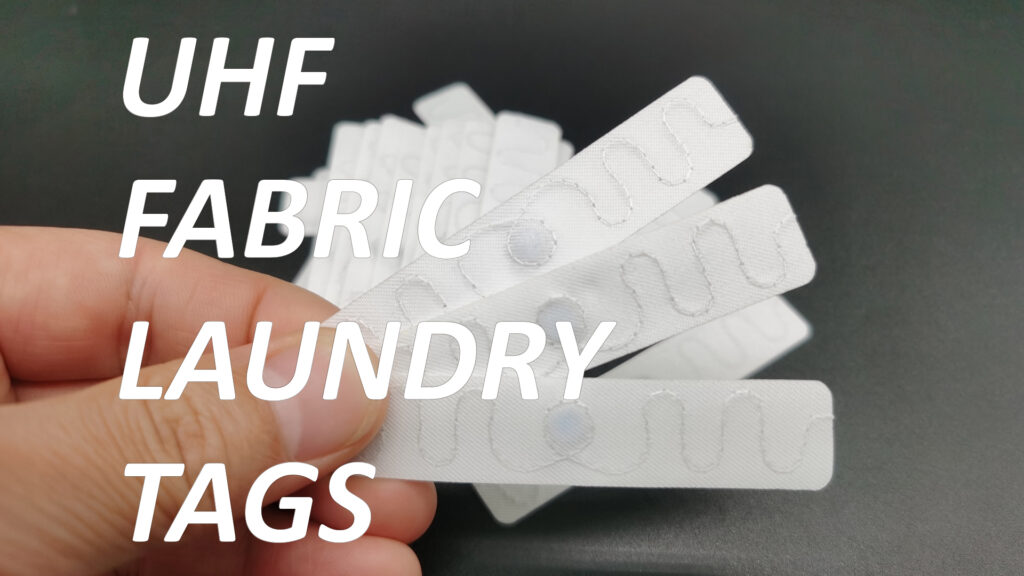
UHF Fabric Laundry Tags Materials: A Complete Guide for Industrial Laundry Applications

In industrial laundry environments such as hotels, hospitals, uniforms rental services, and commercial laundries, UHF fabric laundry tags must withstand extreme physical and chemical conditions while maintaining stable RFID performance. One of the most critical — and often overlooked — factors is material selection. As an RFID tag manufacturer, XIUCHENG RFID specializes in large-scale production

RFID Laundry Tags vs Barcodes
Laundry Management

RFID Laundry Tags vs Barcodes: Which Is Better for Linen Tracking?

Accurate linen tracking is essential for hotels, hospitals, industrial laundries, and workwear rental services. For years, barcodes have been widely used to identify and count textiles. More recently, RFID laundry tags have become the preferred solution for large-scale operations. Both technologies aim to improve inventory visibility and reduce losses, but they differ significantly in durability,

UHF FABRIC LAUNDRY TAGS
Laundry Management

How to Choose the Right RFID Laundry Tag for Your Linen Type

Selecting the right RFID laundry tag is a critical decision for industrial laundries, hotels, hospitals, and uniform rental services. While RFID technology is proven, not all laundry tags perform equally under real-world conditions. Factors such as fabric type, washing process, temperature, chemicals, and mechanical stress directly affect tag durability and reading performance. Choosing an unsuitable

Laundry room 750X516
Laundry Management

How RFID Laundry Management Works in Industrial Laundries

Managing large volumes of linens, uniforms, and garments is a major operational challenge for industrial laundries, hotels, hospitals, and workwear rental services. Loss, miscounts, premature replacement, and lack of visibility can quickly drive up costs. RFID laundry management solves these problems by enabling automatic identification and tracking of each textile item throughout its entire lifecycle.

滚动至顶部