Warning: Undefined array key "url" in /www/wwwroot/rfid-pro.com/wp-content/plugins/seo-by-rank-math/includes/modules/schema/snippets/class-author.php on line 41

Author name: Jude

RFID for Healthcare Asset Tracking From Equipment Visibility to Patient Safety
RFID Applications

RFID for Healthcare Asset Tracking: From Equipment Visibility to Patient Safety

Healthcare organizations are under increasing pressure to manage medical equipment more efficiently while maintaining high standards of patient safety. Hospitals deal with thousands of movable assets such as infusion pumps, monitors, wheelchairs, and surgical tools. In many cases, the lack of real-time visibility leads to inefficiencies, delays in care, and unnecessary procurement costs. Traditional tracking […]
Ultralight AES vs MIFARE Plus vs DESFire EV3
RFID Technologies

Ultralight AES vs MIFARE Plus vs DESFire EV3

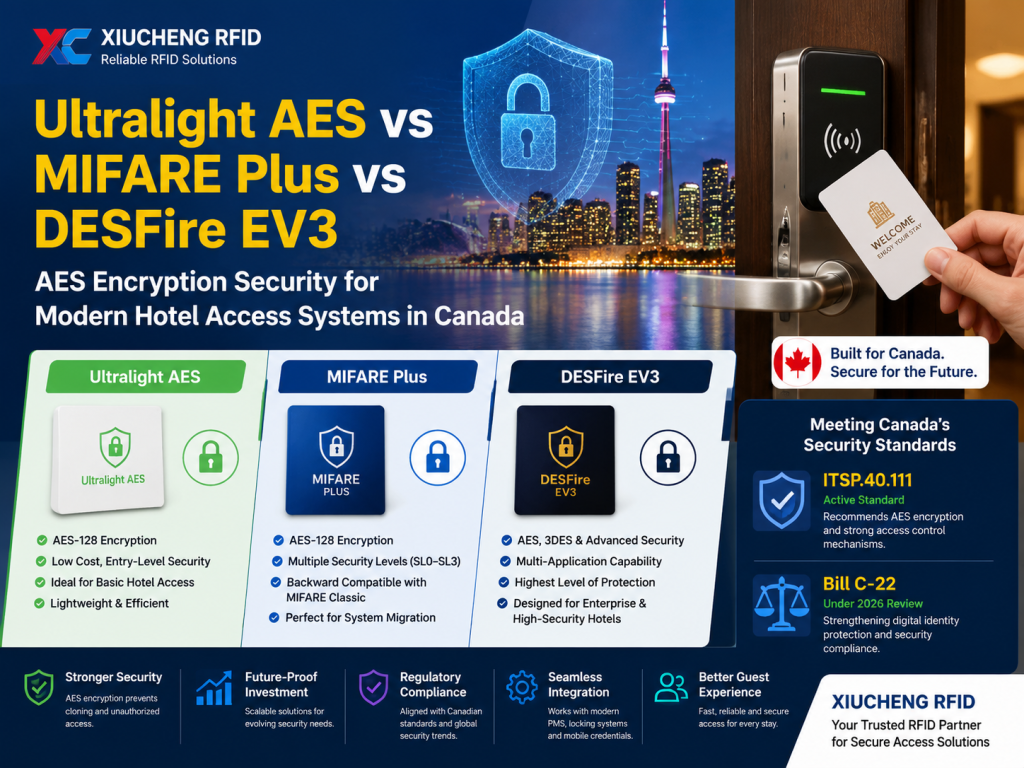
As RFID access control systems evolve, security is no longer optional—it is the foundation of system design. Traditional RFID cards based on weak or proprietary encryption (such as Crypto1 in MIFARE Classic) are increasingly vulnerable to cloning and relay attacks. This has forced global markets—including Canada—to adopt AES-based secure RFID chips. Today, three chip families

RFID for Beauty and Cosmetics Inventory
RFID Applications

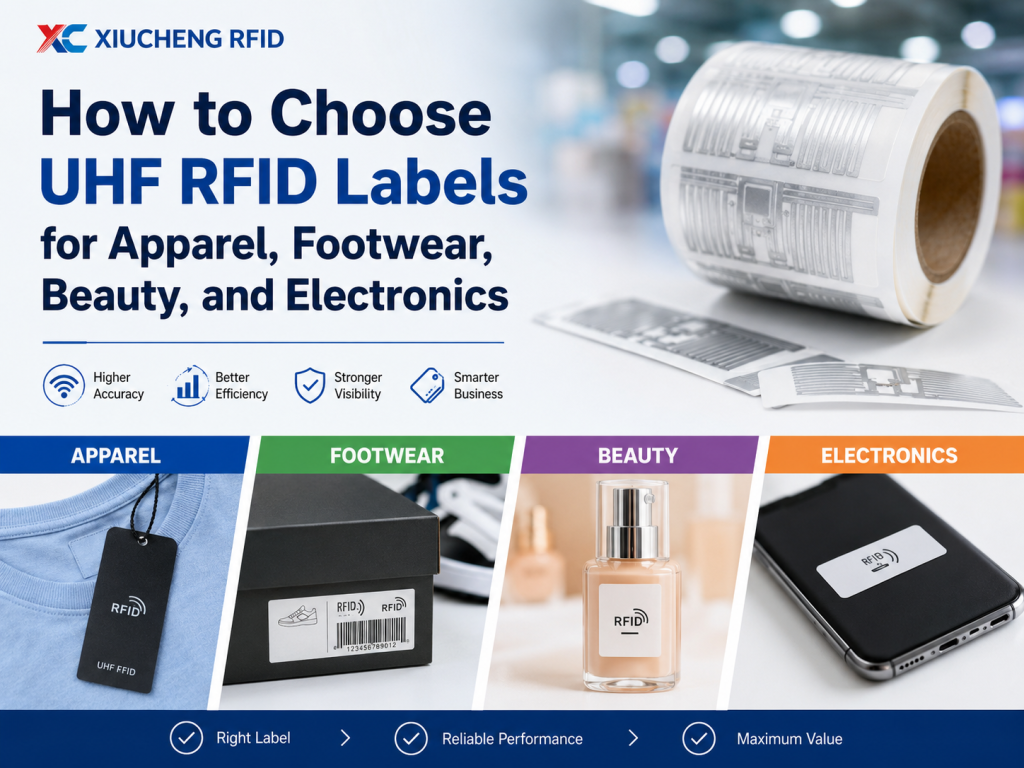
RFID for Beauty and Cosmetics Inventory: Tag Size, Liquid Issues, and Retail Compliance

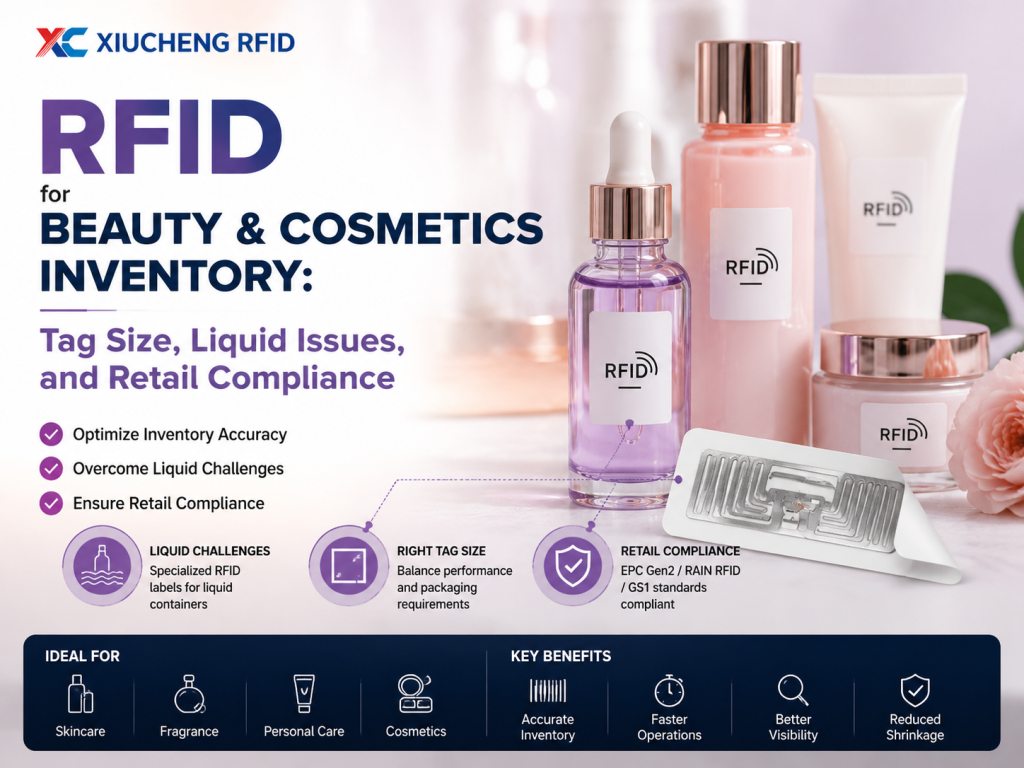
RFID technology is revolutionizing inventory management in the beauty and cosmetics industry. From skincare and makeup to hair care products, retailers and manufacturers are increasingly adopting UHF RFID labels to improve stock accuracy, streamline operations, and enhance omnichannel fulfillment. However, beauty products present unique challenges for RFID deployments. Liquids, small packaging, and high-value goods require

RFID Read Range Problems
RFID Technologies

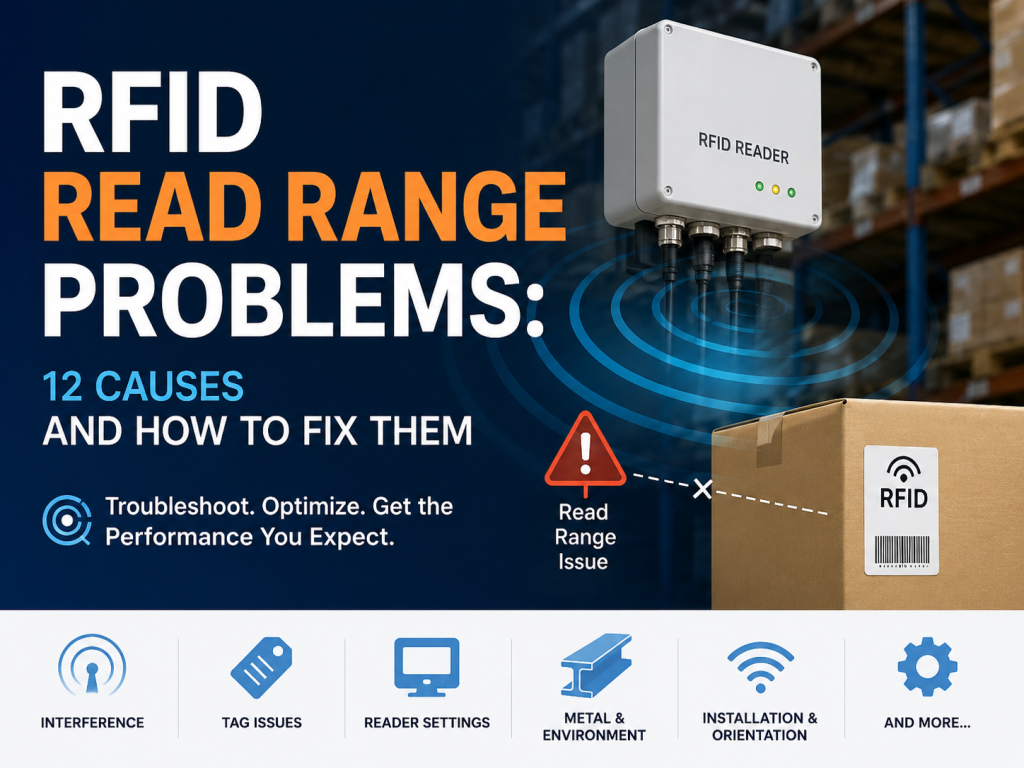
RFID Read Range Problems: 12 Causes and How to Fix Them

For any RFID system, read range is a critical performance metric. If your RFID tags aren’t reading at the expected distances, it can impact inventory management, warehouse automation, and supply chain efficiency. In this guide, we explore the 12 most common causes of RFID read range problems and provide actionable solutions. 1. Incorrect Antenna Orientation

UHF RFID Antenna Polarization Linear vs Circular
RFID Technologies

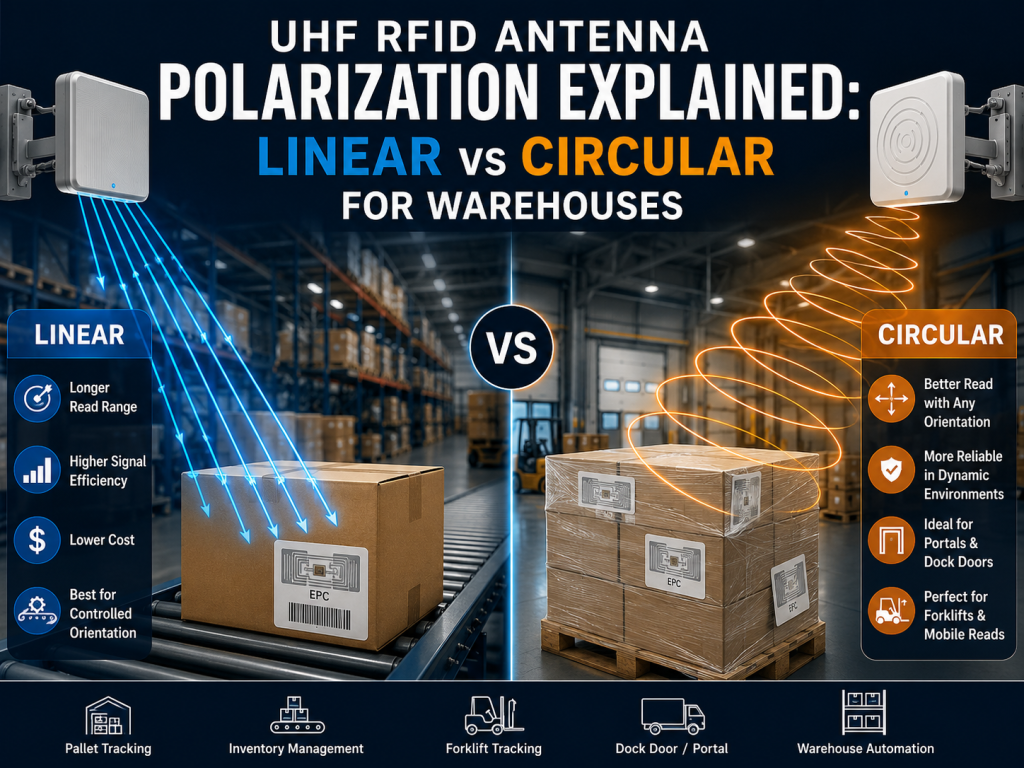
UHF RFID Antenna Polarization: Linear vs Circular

In warehouse RFID projects, readers, tags, and software often receive the most attention. However, one component can have a surprisingly large impact on system performance: the RFID antenna. Many RFID deployment issues that appear to be caused by tags or readers are actually related to antenna selection. Among the most important antenna characteristics is polarization.

RFID Tag Testing Before Mass Production
Company News

RFID Tag Testing Before Mass Production: A Practical Checklist for Buyers

When companies begin an RFID deployment, most of the attention goes to software integration, reader installation, and process optimization. Surprisingly, one of the biggest causes of project failure happens much earlier—during the sourcing stage of RFID tags. Many buyers assume that if a sample tag works during initial testing, the entire production batch will perform

RAIN RFID Tag Encoding
RFID Technologies

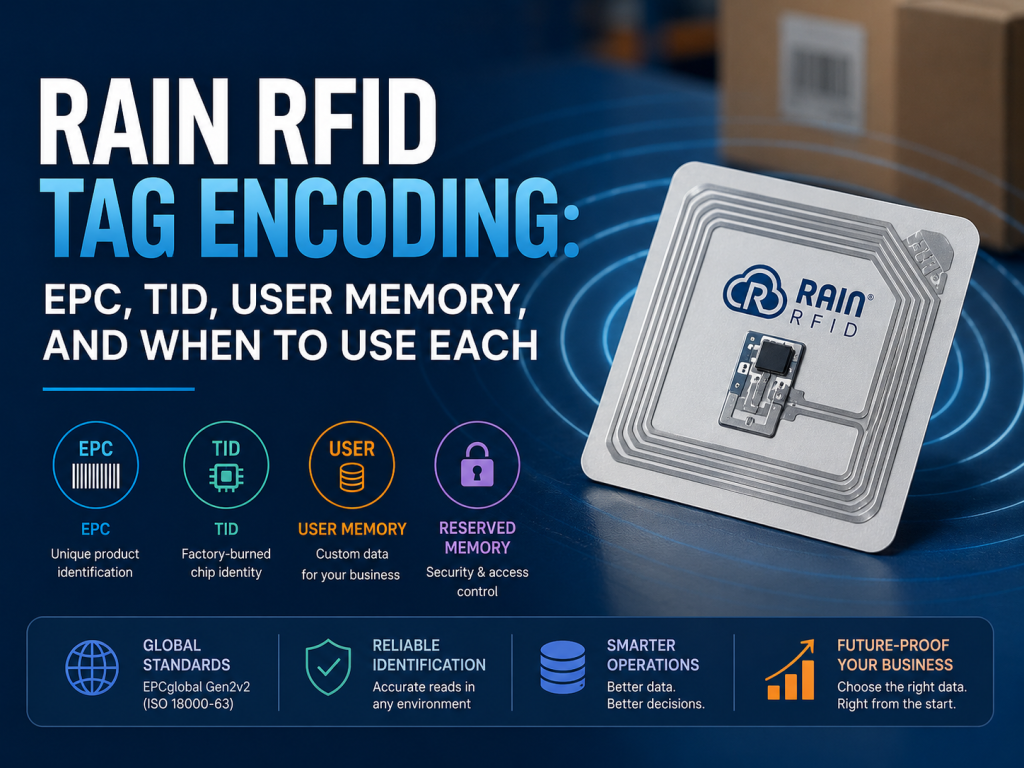
RAIN RFID Tag Encoding: EPC, TID, User Memory, and When to Use Each

Before deploying millions of RFID tags across a supply chain, one small decision often creates the biggest headaches later: what data should actually be written into the tag? Many companies simply ask their supplier to “encode the EPC” without fully understanding what that means. Others discover too late that they need additional information for maintenance

GS1 Digital Link Changes RFID Label Encoding for Retail Suppliers
RFID Technologies

How GS1 Digital Link Changes RFID Label Encoding for Retail Suppliers

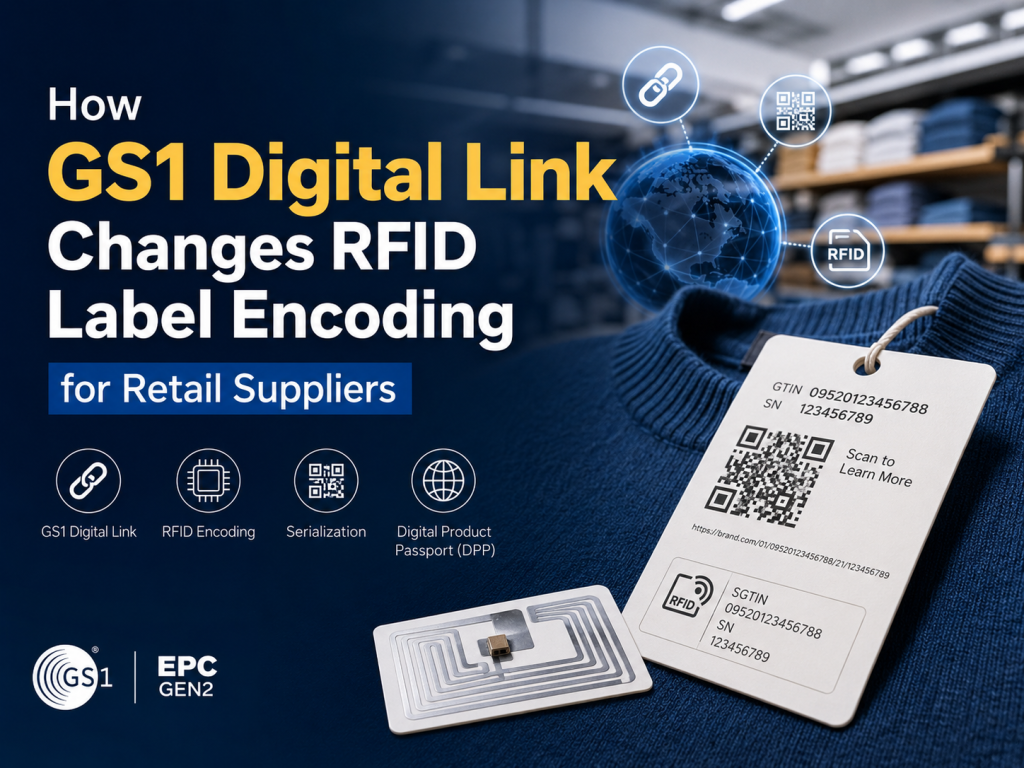
For years, RFID labels have primarily served one purpose: enabling automatic identification through EPC (Electronic Product Code) encoding. Retail suppliers would program a serial number into an RFID chip, attach the label to a product, and rely on inventory management systems to track it throughout the supply chain. However, the retail industry is entering a

Digital Product Passports and RFID
Company News

Digital Product Passports and RFID: What Brands Need to Prepare Before 2027

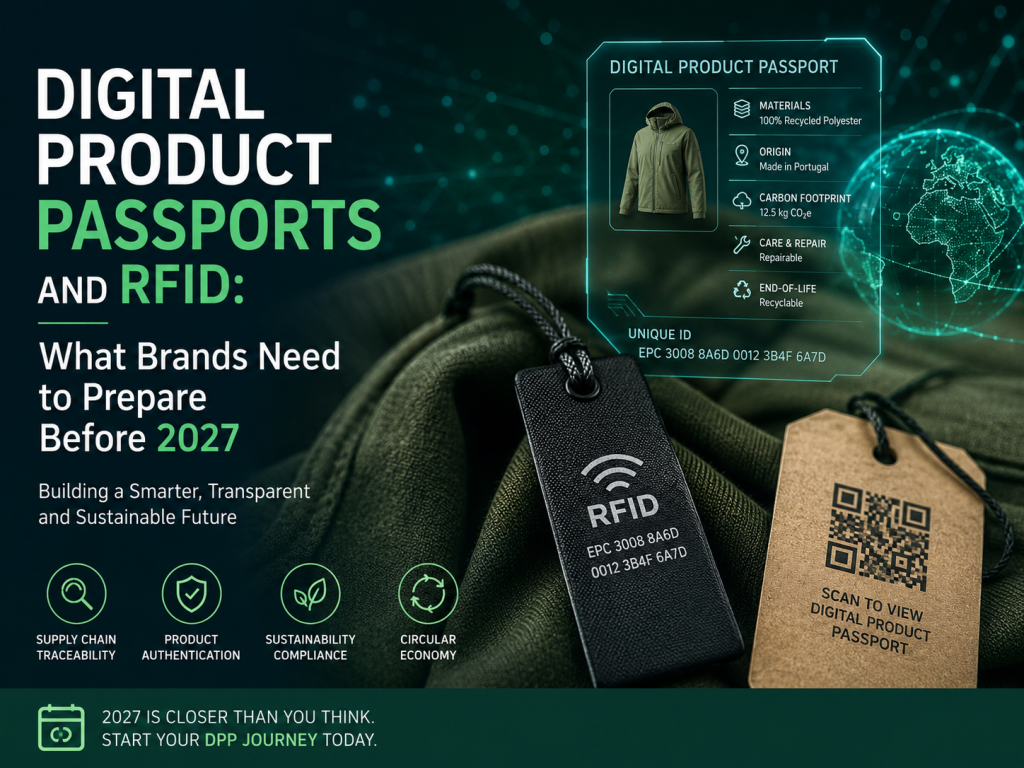
Across Europe and increasingly around the world, brands are facing a new reality: products will soon need to carry a digital identity that follows them throughout their entire lifecycle. This initiative is known as the Digital Product Passport (DPP). Driven by the European Union’s sustainability strategy and Circular Economy Action Plan, Digital Product Passports are

Scroll to Top