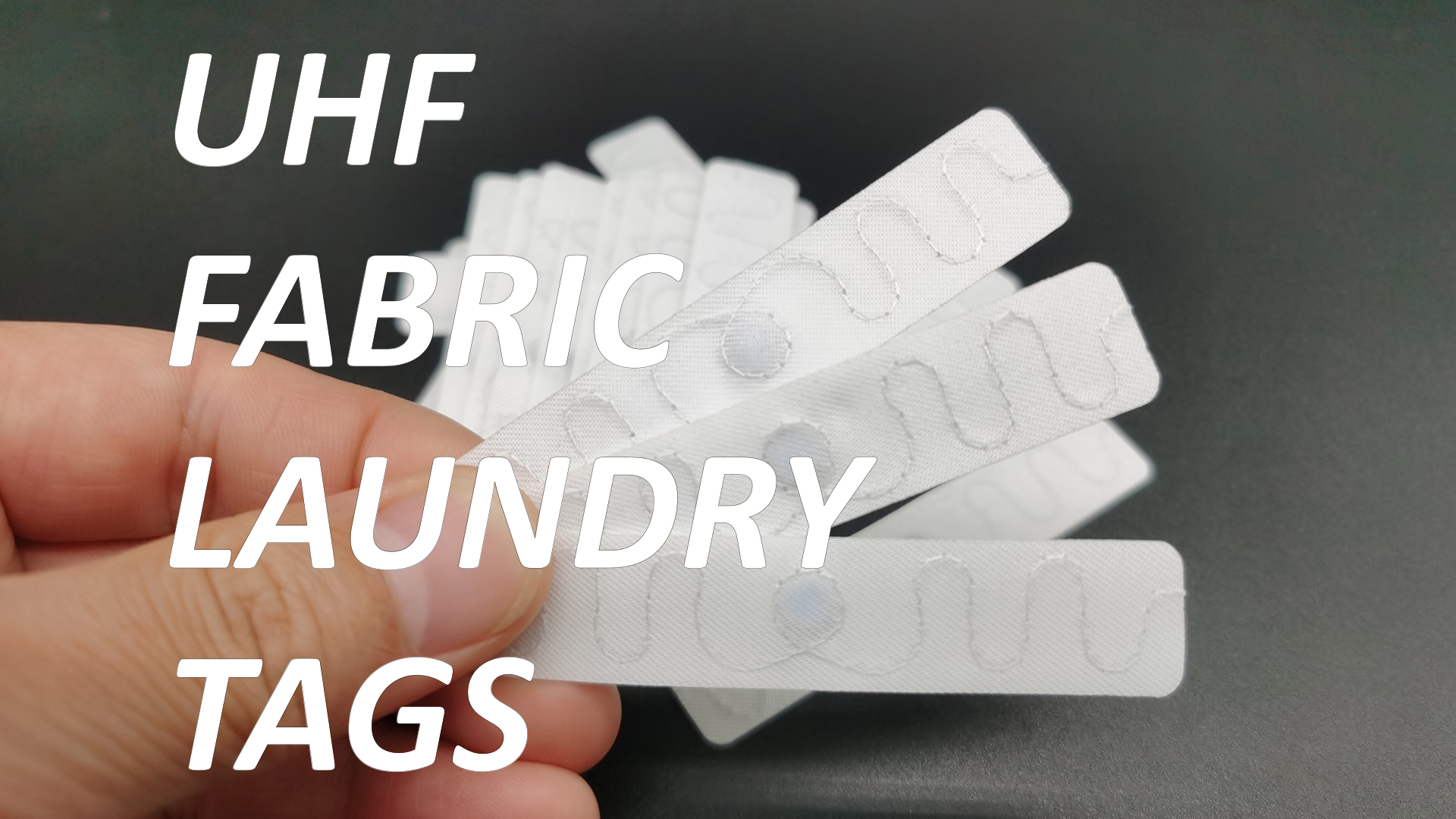
Selecting the right RFID laundry tag is a critical decision for industrial laundries, hotels, hospitals, and uniform rental services. While RFID technology is proven, not all laundry tags perform equally under real-world conditions.
Factors such as fabric type, washing process, temperature, chemicals, and mechanical stress directly affect tag durability and reading performance. Choosing an unsuitable RFID tag can lead to early failures, unreadable items, and increased operational costs.
This guide explains how to choose the right RFID laundry tag based on linen type and laundry environment, helping procurement managers make informed, long-term decisions.
Why Linen Type Matters in RFID Tag Selection
Different textiles experience different stress levels during washing, drying, ironing, and extraction. An RFID tag must be compatible not only with the laundry process, but also with the fabric structure and usage pattern of the linen.
Common linen categories include:
- Flat linens (bedsheets, pillowcases)
- Terry products (towels, bathrobes)
- Uniforms and workwear
- Specialty textiles (medical garments, rental clothing)
Each category places different mechanical and thermal demands on the RFID tag.
Key Factors to Consider When Choosing RFID Laundry Tags
1. Washing and Drying Conditions
Start by evaluating your actual laundry process:
- Maximum washing temperature
- Drying temperature and duration
- Water extraction pressure
- Ironing or tunnel finishing temperature
- Use of detergents, bleach, or industrial chemicals
An RFID laundry tag should be rated for higher limits than your daily operating conditions, not just the average cycle.
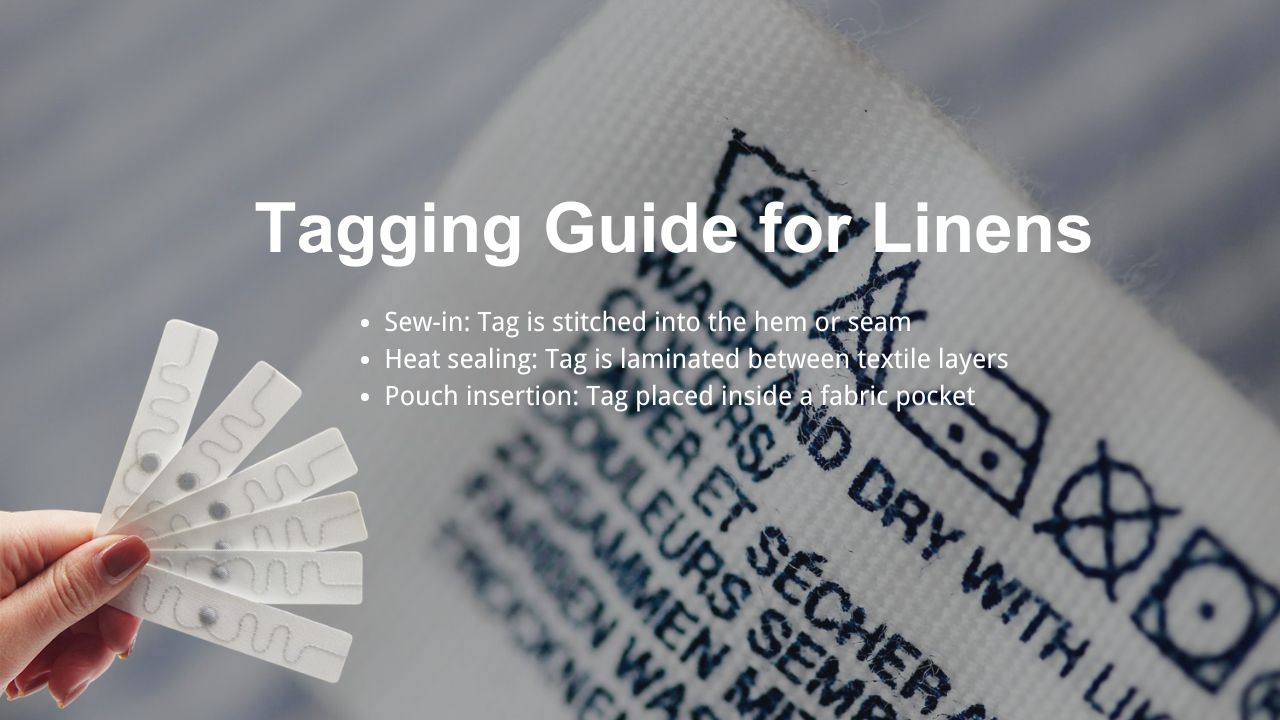
2. Tag Attachment Method
The attachment method must suit both the linen type and laundry workflow:
- Sewn-in tags: Common for sheets, towels, and uniforms
- Heat-sealed tags: Suitable for flat linens with smooth surfaces
- Pouch-inserted tags: Used when direct sewing is not preferred
Improper attachment often causes tag damage, even if the tag itself is technically compliant.
3. Tag Size and Form Factor
Smaller tags reduce fabric impact but may offer shorter read ranges. Larger tags provide stronger performance but may not suit lightweight textiles.
Typical considerations include:
- Linen thickness and flexibility
- Comfort (for uniforms or garments)
- Visibility vs concealment
Choosing the correct size balances read reliability and textile integrity.
4. RFID Chip Selection
The chip inside the tag determines performance consistency and lifecycle reliability.
Common UHF chips used in laundry applications include:
- NXP UCODE 8
- NXP UCODE 9
Key chip-related factors:
- Read sensitivity
- Memory size
- Stability across repeated wash cycles
For high-volume operations, chip consistency is more important than peak read range.
5. Read Range Requirements
In industrial laundries, tags are often read:
- In bulk
- Through bags or carts
- At conveyor or tunnel entrances
Most operations require stable read distances of 1–3 meters, tested with their actual reader and antenna configuration.
Matching RFID Laundry Tags to Common Linen Types
Flat Linens (Sheets, Pillowcases)
Recommended features:
- Slim textile tags
- Sewn-in or heat-sealed attachment
- High wash-cycle rating
These linens experience frequent washing and ironing, making thermal resistance critical.
Towels and Terry Products
Recommended features:
- Strong textile encapsulation
- Resistance to mechanical stress
- Secure stitching
Thick fabrics create higher friction, increasing physical stress on tags.
Uniforms and Workwear
Recommended features:
- Flexible tags
- Secure positioning to avoid discomfort
- Stable reading in folded or stacked states
Comfort and durability must be balanced carefully.
Medical and Specialty Textiles
Recommended features:
- High chemical resistance
- Autoclave compatibility (if required)
- Verified lifecycle testing
These environments demand higher safety margins than standard hospitality laundries.
Why Testing Matters Before Mass Deployment
Even with detailed specifications, on-site testing is essential. Factors such as reader placement, metal surroundings, and fabric composition can affect performance.
Procurement managers should:
- Request sample tags
- Test under real washing conditions
- Validate read rates with their existing RFID infrastructure
Direct cooperation with an RFID tag manufacturer simplifies this process and reduces deployment risks.
Conclusion
Choosing the right RFID laundry tag is not just a technical decision — it directly impacts operational efficiency, cost control, and textile lifespan. By evaluating linen type, laundry conditions, attachment methods, and chip performance, procurement teams can avoid costly mismatches.
XIUCHENG RFID manufactures UHF fabric laundry tags and RFID linen labels designed for demanding industrial laundry environments, supporting customized specifications and large-scale deployments for global customers.