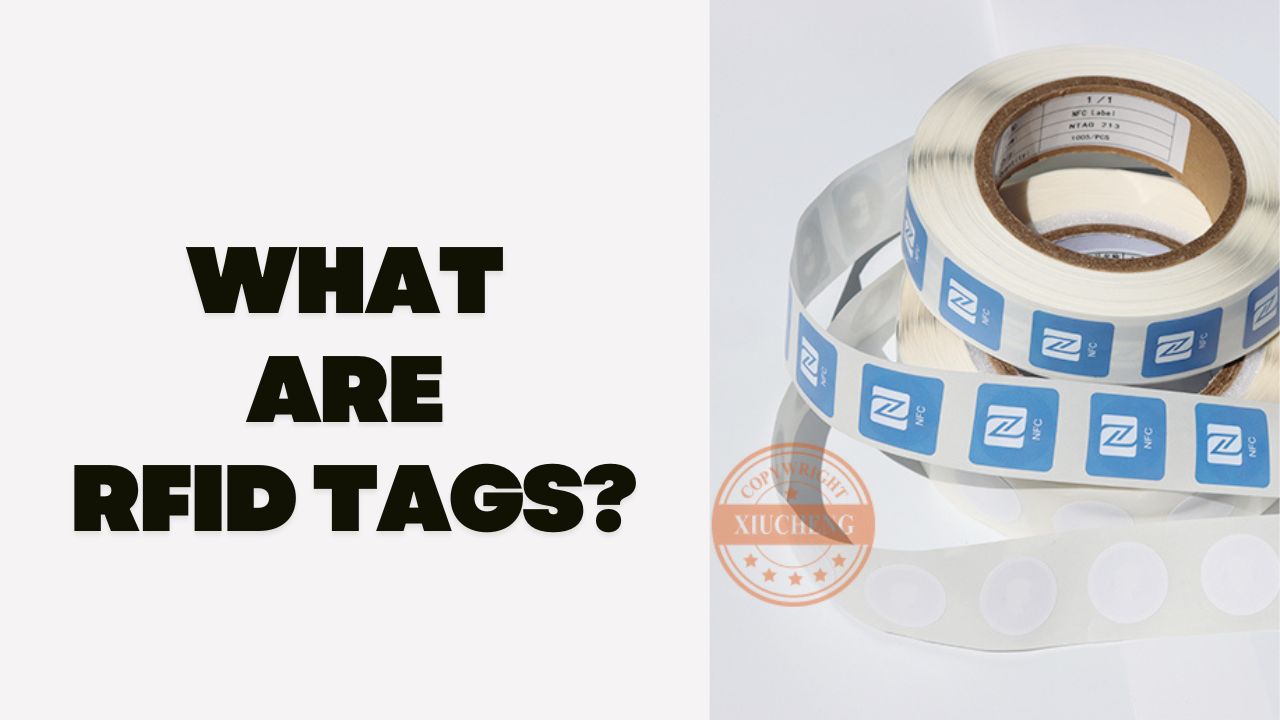
When selecting NFC stickers for commercial or industrial projects, one of the most common technical questions is whether to choose NTAG-based NFC stickers or MIFARE NFC stickers. While both operate at 13.56 MHz and comply with ISO14443, they are designed for very different application scenarios.
This article provides a practical, engineering-focused comparison of NTAG vs MIFARE NFC stickers, covering chip architecture, security, memory, and typical use cases.
Overview: NTAG and MIFARE NFC Stickers
| Category | NTAG NFC Stickers | MIFARE NFC Stickers |
|---|---|---|
| Primary Use | Data sharing, marketing, ID | Access control, payment, secure systems |
| Security Level | Low to medium | Medium to high |
| Typical Chips | NTAG213 / 215 / 216 / 424 DNA | MIFARE Classic, PLUS, DESFire |
| Smartphone Compatibility | Excellent | Depends on application |
| System Complexity | Simple | Moderate to complex |
NTAG NFC Stickers Explained
NTAG NFC stickers are designed for simplicity, broad compatibility, and ease of deployment. They are widely used in applications where NFC acts as a trigger or data carrier, rather than a secure transaction component.
Key Characteristics of NTAG NFC Stickers
- Optimized for smartphone NFC interactions
- Simple memory structure
- Fast read performance
- Low implementation cost
- Easy encoding using standard NFC tools
Common NTAG Chip Options
- NTAG213: Basic URLs, product info, simple ID
- NTAG215: Larger memory, often used in consumer devices
- NTAG216: High-capacity NFC data storage
- NTAG424 DNA: Secure authentication, encrypted messaging
- Learn the differences between NTAG series
Note: NTAG424 DNA is an exception within the NTAG family, designed specifically for secure authentication and anti-counterfeiting.
Typical NTAG NFC Sticker Applications
- Smart packaging
- Marketing campaigns and smart posters
- Product manuals and warranty access
- Inventory labeling (non-secure)
MIFARE NFC Stickers Explained
MIFARE NFC stickers are designed for secure identification, access control, and transactions. They are commonly used in systems that require backend integration, key management, and controlled authentication.
Key Characteristics of MIFARE NFC Stickers
- Sector-based memory architecture
- Support for encryption and mutual authentication
- Used in closed-loop systems
- Higher system integration requirements
Common MIFARE Chip Types
- MIFARE Classic 1K / 4K: Legacy access and ticketing systems
- MIFARE PLUS: Migration path from Classic to higher security
- MIFARE DESFire EV1 / EV2: High-security access control and payment systems
Typical MIFARE NFC Sticker Applications
- Access control systems
- Public transport and ticketing
- Cashless payment systems
- Secure membership and ID cards
NTAG vs MIFARE: Technical Comparison
1. Security & Encryption
- NTAG (standard): UID-based identification, basic password protection
- NTAG424 DNA: AES encryption, secure messaging
- MIFARE DESFire: Advanced AES encryption, multi-application support
Winner for security: MIFARE (except NTAG424 DNA for authentication use cases)
2. System Integration Complexity
- NTAG NFC stickers can often be deployed without backend systems
- MIFARE NFC stickers require key management, reader configuration, and software integration
Winner for simplicity: NTAG
3. Cost & Scalability
- NTAG stickers are generally lower cost and easier to scale
- MIFARE stickers have higher chip and system costs, justified by security needs
Winner for cost-sensitive projects: NTAG
4. Smartphone Compatibility
- NTAG works seamlessly with iOS and Android NFC
- MIFARE support depends on reader mode and application design
Winner for consumer-facing use: NTAG
How to Choose Between NTAG and MIFARE NFC Stickers
Choose NTAG NFC stickers if your project involves:
- Marketing or customer engagement
- Product information or smart packaging
- Simple asset identification
- Smartphone-based interaction
Choose MIFARE NFC stickers if your project requires:
- Secure access control
- Payment or ticketing systems
- Encrypted authentication
- Backend-managed user permissions
For projects requiring brand protection or anti-counterfeiting, NTAG424 DNA NFC stickers often provide a balanced solution between ease of use and security.
Custom NFC Stickers for Different Chip Types
Whether your application requires NTAG or MIFARE technology, selecting the right NFC sticker material, size, and antenna design is just as important as chip choice. Paper, PET, PVC, epoxy, and anti-metal NFC stickers can all impact performance depending on the environment.
To compare available chip options, materials, and packaging formats, you can refer to our custom NFC sticker product, which supports both NTAG and MIFARE NFC stickers for professional applications.