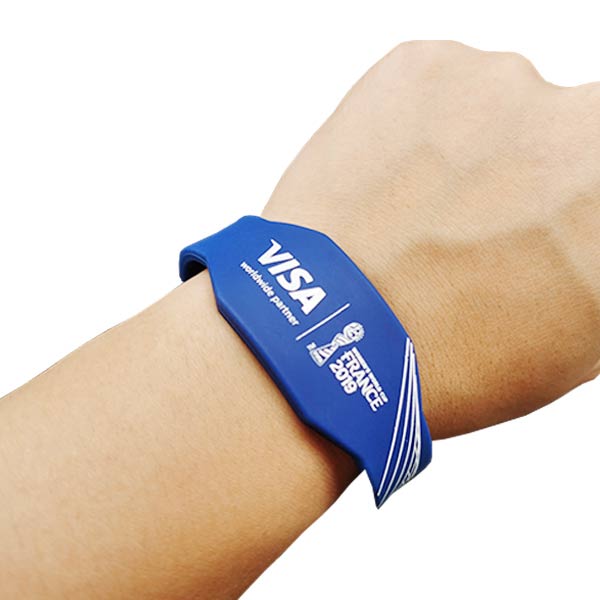
RFID wristbands have become an increasingly popular identification solution for events, hotels, water parks, healthcare facilities, fitness centers, and access control applications. Compared with traditional RFID cards, wristbands provide a more convenient hands-free experience because users can simply wear the credential on their wrist.
However, selecting the right RFID wristband is not only about choosing the RFID chip. The wristband material directly affects durability, comfort, waterproof performance, security, and user experience.
Different applications require different materials. A disposable event wristband has completely different requirements from a reusable hotel or water park RFID wristband.
The most common RFID wristband materials include silicone, fabric, PVC, Tyvek, and elastic textile materials. Understanding the differences between these materials helps businesses select the most suitable RFID wristband solution for their specific application.
Why RFID Wristband Material Matters
The material of an RFID wristband determines how it performs in real-world environments.
Os factores importantes incluem:
Durabilidade
Durability determines how long the wristband can maintain its appearance and function during use.
Reusable applications such as:
- Hotéis
- Estâncias
- Parques aquáticos
- Fitness clubs
- Employee access control
usually require materials that can withstand repeated wearing, bending, and exposure to water.
Conforto
Many RFID wristbands are worn for several hours or even several days.
Comfort depends on:
- Material softness
- Flexibilidade
- Peso
- Breathability
- Skin compatibility
For long-duration applications, a comfortable material improves user acceptance.
Waterproof Performance
Many RFID wristbands are used in environments where exposure to water is unavoidable.
Os exemplos incluem:
- Piscinas
- Parques aquáticos
- Estâncias
- Outdoor events
The material must protect both the RFID inlay and the user’s wearing experience.
Security and Anti-Transfer Features
Some applications require preventing wristband sharing.
Exemplos:
- Festivais de música
- Parques temáticos
- VIP events
- Paid access areas
Material selection and locking mechanisms influence the security level of the wristband.
Cost Efficiency
Disposable applications usually prioritize low cost, while premium reusable applications focus more on durability and user experience.
Choosing the right balance between cost and performance is essential.
Pulseiras RFID de silicone
Silicone is one of the most widely used materials for reusable RFID wristbands.
It is commonly used in:
- Parques aquáticos
- Hotéis
- Estâncias
- Ginásios
- Spa facilities
- Long-term access control systems
Advantages of Silicone RFID Wristbands
Excellent Durability
Silicone provides strong resistance against:
- Daily wear
- Bending
- Exposição à água
- Variações de temperatura
- Produtos químicos
A high-quality silicone RFID wristband can be reused thousands of times.
Comfortable for Long-Term Wearing
Silicone is soft, flexible, and lightweight.
It conforms well to different wrist sizes, making it suitable for applications where users wear the wristband throughout the day.
Excellent Waterproof Performance
Silicone naturally provides excellent protection against:
- Água
- Sweat
- Humidade
This makes it one of the best choices for aquatic environments.
Premium Appearance
Silicone wristbands can be customized with:
- Different colors
- Impressão do logótipo
- Gravação a laser
- Embossed designs
This makes them suitable for branded customer experiences.
Limitations of Silicone RFID Wristbands
Higher Cost
Compared with disposable materials such as Tyvek, silicone wristbands have higher manufacturing costs.
Not Suitable for Short-Term Mass Events
For one-day events with thousands of participants, disposable materials may provide better cost efficiency.
Pulseiras RFID em tecido
Fabric RFID wristbands are widely used for festivals, concerts, exhibitions, and premium events.
They combine textile comfort with RFID identification technology.
Advantages of Fabric RFID Wristbands
Strong Branding Capability
Fabric provides excellent customization options, including:
- Woven logos
- Impressão a cores
- Custom patterns
- Brand designs
Many event organizers use fabric RFID wristbands as both access credentials and souvenirs.
Comfortable Wearing Experience
Fabric materials are lightweight and breathable.
They are suitable for users who need to wear wristbands for extended periods.
Suitable for Premium Events
The appearance and texture of fabric create a higher-end user experience compared with disposable plastic materials.
Limitations of Fabric RFID Wristbands
Lower Waterproof Performance
Standard fabric may absorb moisture.
For outdoor or water-related applications, additional waterproof treatment may be required.
Usually Designed for Single Use
Many fabric wristbands use disposable locking systems to prevent transfer between users.
Pulseiras RFID em PVC
PVC is a common plastic material used in RFID wristbands because it provides a balance between cost, durability, and customization.
As aplicações típicas incluem:
- Eventos
- Exhibitions
- Visitor management
- Sistemas de controlo de acesso
Advantages of PVC RFID Wristbands
Cost Effective
PVC provides a more affordable solution than silicone while offering better durability than paper-based materials.
Excellent Printing Performance
PVC supports:
- Impressão a cores
- Logos
- Números de série
- Códigos QR
- Códigos de barras
This makes it suitable for branded identification products.
Moderate Durability
PVC wristbands can withstand normal daily use and are suitable for short-term reusable applications.
Limitations of PVC RFID Wristbands
Lower Comfort Compared With Silicone
PVC is generally more rigid and less flexible than silicone.
Environmental Considerations
Some organizations may prefer alternative materials due to sustainability requirements.
Pulseiras Tyvek RFID
Tyvek is a lightweight synthetic material made from high-density polyethylene fibers.
It is commonly used for disposable RFID wristbands in:
- Festivals
- Hospitais
- Parques temáticos
- Temporary events
Advantages of Tyvek RFID Wristbands
Very Low Cost
Tyvek is one of the most economical RFID wristband materials.
It is ideal for large-scale events requiring thousands or millions of disposable credentials.
Lightweight Design
Tyvek wristbands are comfortable for short-term use.
Users can wear them without noticeable weight.
Tear Resistant
Although lightweight, Tyvek provides better strength than traditional paper materials.
Anti-Transfer Options
Tyvek wristbands often include:
- Adhesive closures
- Tamper-evident designs
- Disposable locking structures
These features help prevent unauthorized sharing.
Limitations of Tyvek RFID Wristbands
Limited Reusability
Tyvek wristbands are mainly designed for single-use applications.
Basic Appearance
Compared with silicone or fabric, Tyvek provides fewer premium design options.
Elastic RFID Wristbands
Elastic RFID wristbands use stretchable textile materials to provide flexibility and comfort.
They are commonly used in:
- Eventos desportivos
- Fitness activities
- Children’s activities
- Eventos comunitários
Advantages of Elastic RFID Wristbands
Flexible Fit
Elastic materials automatically adjust to different wrist sizes.
Comfortable During Movement
They are suitable for active users because the material moves naturally with the wrist.
Leve
Elastic wristbands are barely noticeable during wearing.
Limitations of Elastic RFID Wristbands
Lower Water Resistance
Depending on the structure, textile materials may require additional protection for wet environments.
Lower Structural Strength
They may not provide the same durability level as silicone wristbands.
RFID Wristband Material Comparison
| Material | Durabilidade | Waterproof Performance | Conforto | Custo | Aplicações comuns |
|---|---|---|---|---|---|
| Silicone | Excelente | Excelente | Excelente | Mais alto | Water parks, hotels, resorts |
| Fabric | Médio | Médio | Excelente | Médio | Festivals, concerts, premium events |
| PVC | Médio | Bom | Médio | Baixo-Médio | Events, access control |
| Tyvek | Baixo | Limitado | Bom | Muito baixo | Disposable events, hospitals |
| Elastic | Médio | Médio | Excelente | Médio | Sports, activities |
How to Choose the Right RFID Wristband Material?
The best RFID wristband material depends on the application requirements.
For Water Parks and Resorts
Recommended material:
Pulseiras RFID de silicone
Reasons:
- À prova de água
- Reutilizável
- Confortável
- Duradouro
Silicone wristbands are widely used for cashless payments, locker access, and guest identification.
For Music Festivals and Large Events
Recommended materials:
Fabric or Tyvek RFID Wristbands
Reasons:
- Baixo custo
- Strong branding capability
- Suitable for temporary access management
For Hotels and Resorts
Recommended materials:
Silicone or PVC RFID Wristbands
Reasons:
- Better guest experience
- Multiple-day use
- Reliable performance
For Hospitals and Healthcare
Recommended material:
Pulseiras Tyvek RFID
Reasons:
- Descartável
- Easy identification
- Cost efficient
For Sports Events
Recommended materials:
Elastic or Fabric RFID Wristbands
Reasons:
- Leve
- Comfortable during movement
- Flexible sizing
RFID Chip Options for Wristbands
The wristband material is only one part of the RFID solution. The embedded RFID chip determines communication performance and system compatibility.
HF RFID Wristbands
Frequência:
13,56 MHz
Common chips:
- MIFARE Clássico
- MIFARE DESFire EV3
- Série NTAG
Aplicações:
- Acesso ao hotel
- Gestão de eventos
- Cashless payment
- Membership systems
UHF RFID Wristbands
Frequência:
860-960 MHz
Aplicações:
- Large-scale event tracking
- Fast identification systems
- Logistics and industrial applications
LF RFID Wristbands
Frequência:
125 kHz or 134.2 kHz
Aplicações:
- Identificação dos animais
- Specialized tracking systems
Custom RFID Wristband Options
Professional RFID manufacturers can customize wristbands according to project requirements.
As opções de personalização incluem:
Material Customization
- Silicone color
- Fabric pattern
- PVC design
- Tyvek printing
RFID Chip Selection
As opções incluem:
- Chips NFC
- Chips MIFARE
- Chips RFID UHF
Visual Design
Including:
- Company logo
- Número de série
- Código QR
- Código de barras
- Embalagem personalizada
Structure Design
Including:
- Adjustable buckle
- Disposable lock
- Encapsulamento à prova de água
Common RFID Wristband Problems
Wristband Cannot Be Read
Possible causes:
- Incorrect RFID chip selection
- Reader compatibility issues
- Poor antenna design
Solução:
Confirm RFID specifications before production.
Wristband Breaks Easily
Possible causes:
- Incorrect material selection
- Low-quality manufacturing
Solução:
Select materials based on application duration and environment.
Users Find Wristbands Uncomfortable
Possible causes:
- Material mismatch
- Incorrect wrist size
Solução:
Choose softer materials such as silicone or elastic for long-term use.
Perguntas mais frequentes
Which RFID wristband material is the most durable?
Silicone is generally the most durable RFID wristband material and is widely used for reusable applications.
Which RFID wristband material is the cheapest?
Tyvek RFID wristbands are usually the most economical choice for disposable events.
Are silicone RFID wristbands waterproof?
Yes. Silicone provides excellent waterproof performance and is commonly used in swimming pools, resorts, and water parks.
Can RFID wristbands be customized?
Yes. RFID wristbands can be customized with different materials, RFID chips, printing designs, colors, and packaging.
Which RFID wristband is best for hotels?
Silicone RFID wristbands are commonly selected for hotels because they provide comfort, durability, and waterproof performance.
Conclusão
Choosing the right RFID wristband material is essential for building a reliable identification solution.
Silicone is ideal for premium reusable applications requiring durability and waterproof performance. Fabric provides strong branding value for festivals and events. PVC offers a balance between cost and customization. Tyvek is suitable for disposable applications, while elastic materials provide flexibility and comfort.
Before selecting an RFID wristband, businesses should evaluate:
- Duração da utilização
- Condições ambientais
- Waterproof requirements
- Conforto do utilizador
- Necessidades de segurança
- Orçamento
By matching the wristband material with the application, organizations can achieve better performance, improved user experience, and more reliable RFID identification systems.