Proper tagging is the foundation of effective linen tracking in industrial laundry, hospitality, and healthcare environments. Without a reliable identification method, linens are easily lost, mixed, or prematurely retired.
This tagging guide explains how RFID technology is used for linen identification, what types of RFID laundry tags are available, how they are applied to textiles, and how manufacturers like XIUCHENG RFID design tags specifically for harsh laundry conditions.
Why Linen Tagging Matters in Laundry Operations
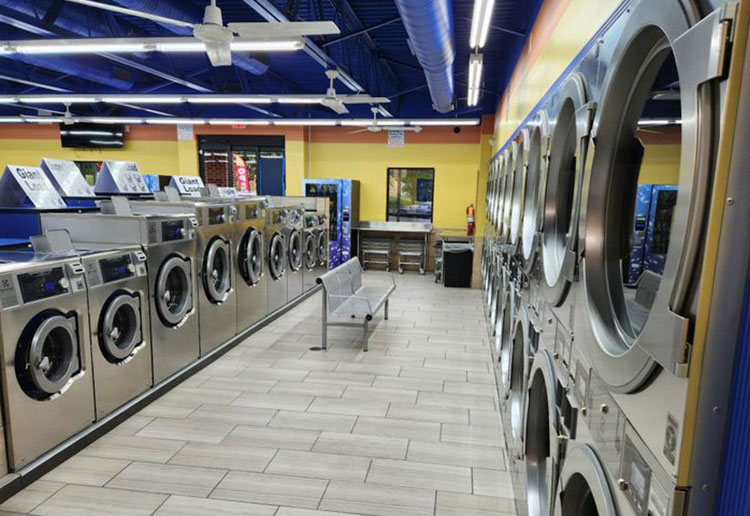
Linens circulate continuously between use, washing, storage, and redistribution. In hotels, hospitals, and commercial laundries, thousands—or even millions—of textile items move through the process every week.
Traditional identification methods such as visual inspection or barcodes face clear limitations:
- Tags become unreadable after repeated washing
- Manual scanning increases labor costs
- Sorting errors lead to loss and shrinkage
RFID linen tagging solves these problems by enabling contactless, bulk identification that remains reliable throughout the linen lifecycle.
What Is RFID Linen Tagging?
RFID linen tagging uses small, washable RFID tags embedded or attached to textiles. Each tag contains a unique chip ID that can be read automatically by RFID readers during sorting, washing, or inventory counting.
Key characteristics of RFID linen tagging include:
- No line-of-sight required
- Simultaneous reading of hundreds of items
- Stable performance in wet, high-temperature environments
For industrial laundry applications, UHF RFID is most commonly used due to its longer read range and high-speed bulk reading capability.
Types of RFID Tags Used for Linens
Different laundry environments require different tag designs. The most common RFID tags for linen identification include:
Fabric RFID Laundry Tags

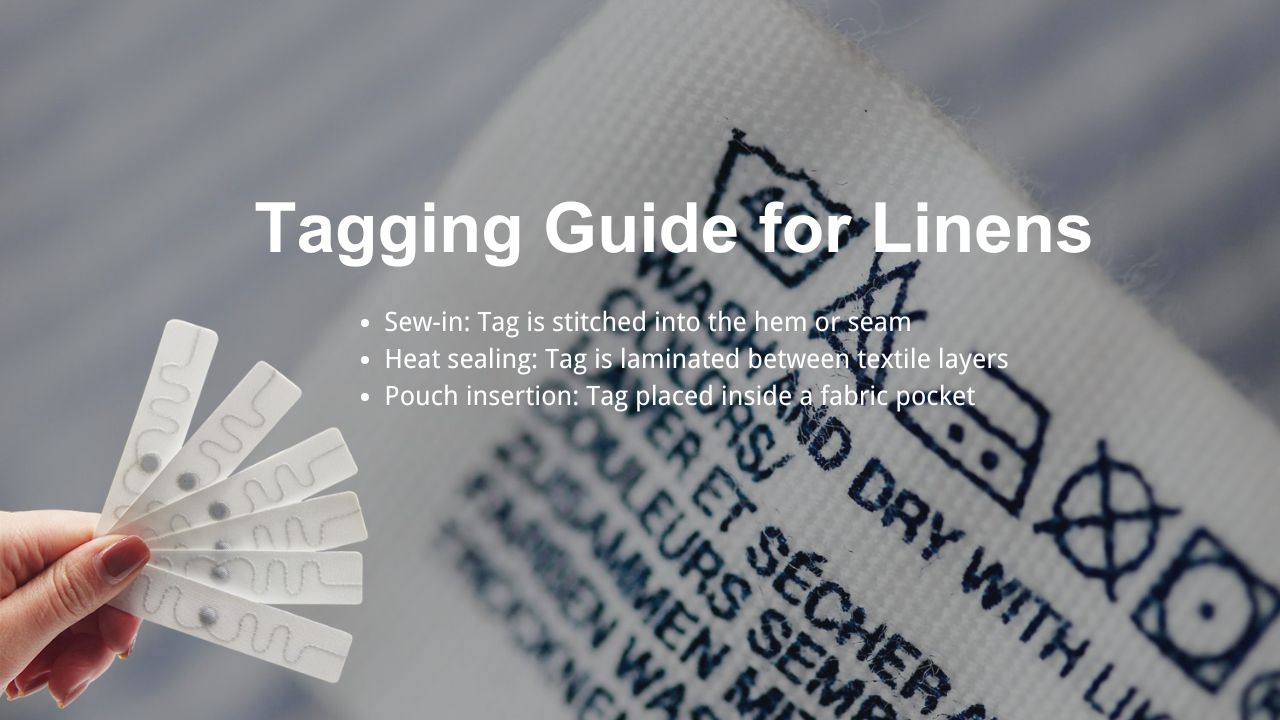
Soft, textile-based tags designed to be sewn into linens. These are widely used for hotel sheets, towels, uniforms, and hospital textiles.
Silicone RFID Laundry Tags

Encapsulated in silicone for added mechanical protection. Suitable for harsher washing processes or thicker textiles.
PPS or Hard RFID Laundry Tags

Used in specific industrial settings where extreme durability is required, though less common for soft linens.
Manufacturers select materials based on washing cycles, temperature resistance, mechanical stress, and attachment method.
How RFID Laundry Tags Are Attached to Linens
Proper attachment is critical to tag performance and lifespan. Common attachment methods include:
- Sew-in: Tag is stitched into the hem or seam
- Heat sealing: Tag is laminated between textile layers
- Pouch insertion: Tag placed inside a fabric pocket
-
Hanging: Tag is attached using a string, thread, or plastic fastening loop
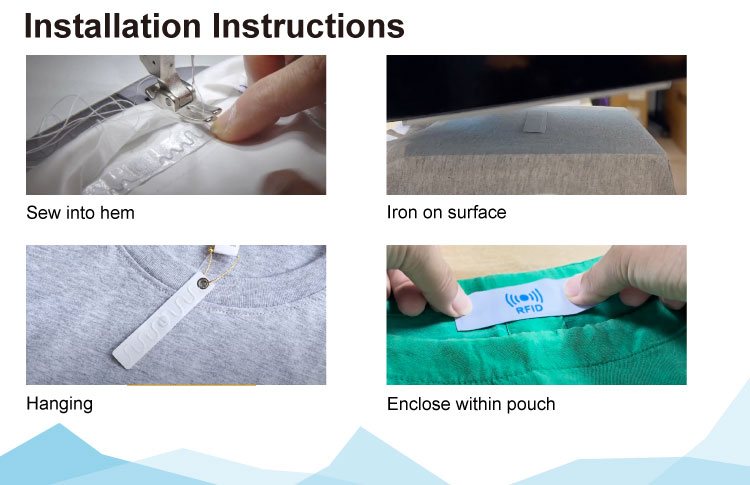
From a manufacturing perspective, sew-in fabric tags offer the best balance between durability, comfort, and read stability for most linen applications.
Environmental Challenges RFID Linen Tags Must Withstand
Laundry environments are among the most demanding for RFID products. A reliable linen tag must resist:
- High-temperature washing (up to 90°C)
- Tumble drying (up to 180–195°C)
- Ironing and pressing
- High-pressure water extraction
- Chemical detergents and disinfectants
At XIUCHENG RFID, fabric laundry tags are tested to survive 200+ industrial wash cycles or up to 3 years of operational use, depending on conditions.
Choosing the Right RFID Chip for Linen Tagging
The RFID chip determines read performance and data reliability. Commonly used chips for linen tagging include:
- NXP UCODE 8 / UCODE 9 for UHF laundry systems
- High-sensitivity chips optimized for dense textile reading
- EPC Gen2 compliant chips for global compatibility
Manufacturers focus on chip stability, consistency in large batches, and compatibility with commercial laundry readers.
Read Range and System Considerations
RFID linen tags are typically read at distances of up to 2–3 meters, depending on:
- Reader power and antenna design
- Tag orientation and attachment position
- Textile density and moisture content
In laundry operations, the priority is not long-distance reading but reliable bulk detection during sorting and counting.
RFID Tag Durability and Lifecycle Management
A well-designed RFID linen tag remains readable throughout the entire textile lifecycle. This enables operators to:
- Track wash counts per item
- Monitor loss and shrinkage
- Optimize linen replacement cycles
- Improve inventory accuracy
From a factory perspective, consistent tag quality is essential to ensure predictable performance across large production volumes.
Common Mistakes in Linen Tagging Projects
Some common issues encountered in linen RFID deployments include:
- Choosing tags not designed for industrial laundry
- Improper sewing location leading to antenna damage
- Using chips with insufficient sensitivity
- Ignoring chemical resistance requirements
Working with an experienced RFID tag manufacturer helps avoid these problems early in the project.
Why Work Directly with an RFID Tag Manufacturer?
Unlike solution providers, an RFID tag manufacturer focuses on:
- Material selection and structural design
- Chip sourcing and consistency
- Mass production quality control
- Long-term durability testing
XIUCHENG RFID specializes in manufacturing RFID laundry tags at scale, supplying consistent and application-specific products to laundry operators, integrators, and equipment manufacturers worldwide.
Conclusion
Effective linen tagging starts with the right RFID tag design. By selecting suitable materials, chips, and attachment methods, laundry operators can achieve reliable tracking, reduced loss, and improved operational efficiency.
This tagging guide highlights the key considerations from a manufacturing perspective—helping you understand what truly matters inside an RFID linen tag.