Kiedy firmy rozpoczynają wdrażanie technologii RFID, większość uwagi skupia się na integracji oprogramowania, instalacji czytników i optymalizacji procesów. Co zaskakujące, jedna z głównych przyczyn niepowodzeń projektów ma miejsce znacznie wcześniej — już na etapie pozyskiwania tagów RFID.
Wielu nabywców zakłada, że jeśli etykieta z próbki sprawdzi się podczas wstępnych testów, cała partia produkcyjna będzie działać identycznie. W rzeczywistości produkcja na dużą skalę wiąże się z czynnikami, które mogą znacząco wpłynąć na działanie tagów RFID, w tym na spójność anteny, jakość połączenia chipa, dobór materiałów oraz tolerancje produkcyjne.
Etykieta, która działa bez zarzutu w warunkach laboratoryjnych, może zawieść po przyklejeniu do metalowych pojemników, w wyniku ekspozycji na wysokie temperatury lub podczas przetwarzania w zautomatyzowanych systemach przenośnikowych.
Dla producentów, sprzedawców detalicznych, dostawców usług logistycznych, szpitali i przedsiębiorstw przemysłowych wadliwa partia tagów RFID może oznaczać opóźnienia w realizacji projektów, nieścisłości w stanach magazynowych oraz koszty wymiany sięgające tysięcy dolarów.
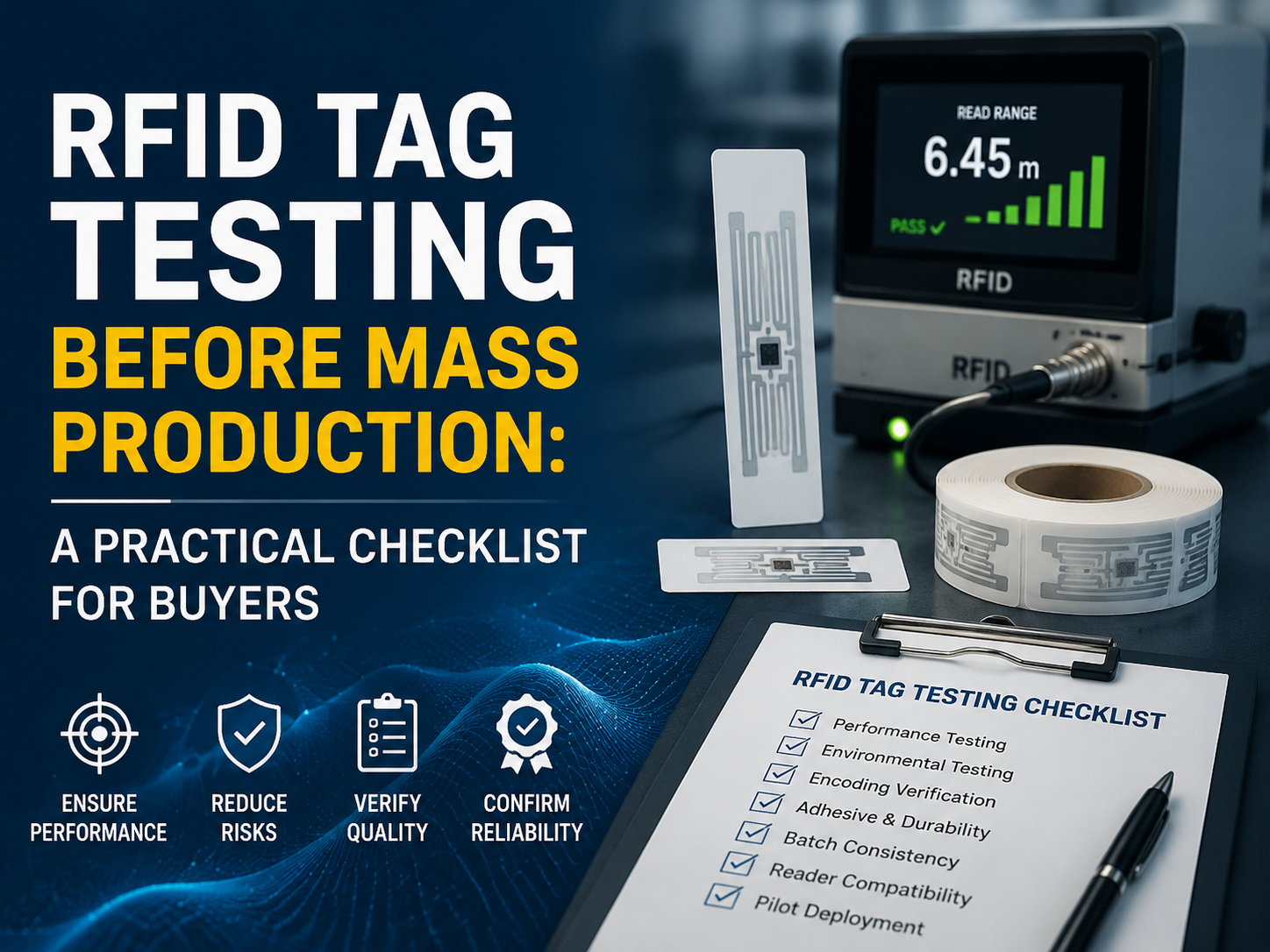
W niniejszym przewodniku zamieszczono praktyczną listę kontrolną, z której profesjonalni nabywcy mogą skorzystać przed zatwierdzeniem produkcji seryjnej.
Dlaczego testowanie tagów RFID ma kluczowe znaczenie
W przeciwieństwie do tradycyjnych etykiet drukowanych, Tagi RFID są urządzeniami elektronicznymi. Każdy tag zawiera co najmniej trzy kluczowe elementy:
- Chip RFID
- Antena
- Podłoże lub materiał do hermetyzacji
Awaria któregokolwiek z tych elementów może spowodować zmniejszenie zasięgu odczytu lub całkowitą awarię tagu.
Do typowych problemów wykrywanych po zakończeniu produkcji należą:
- Niespójna odległość odczytu
- Nieaktywne tagi
- Słabe łączenie chipów
- Błędy kodowania EPC
- Tagi: rozstrojenie na powierzchniach metalowych
- Degradacja środowiska
- Rozbieżności między danymi drukowanymi a danymi RFID
Wykrywanie tych problemów po otrzymaniu 100 000 tagów jest kosztowne. Wykrywanie ich podczas walidacji próby praktycznie nic nie kosztuje.
Specjaliści ds. zakupów w branży RFID traktują testy przedprodukcyjne jako środek zabezpieczający.
Krok 1: Potwierdź specyfikacje techniczne
Przed oceną wydajności należy sprawdzić, czy proponowany tag odpowiada wymaganiom aplikacji.
Częstotliwość
Upewnij się, że częstotliwość robocza jest prawidłowa:
- LF (125 kHz / 134,2 kHz): Identyfikacja zwierząt i kontrola dostępu
- HF (13,56 MHz): NFC, biblioteki, systemy płatnicze
- UHF (860–960 MHz): łańcuch dostaw, magazynowanie, handel detaliczny
Niezgodność w tym miejscu sprawia, że tag nie nadaje się do użytku, niezależnie od jego jakości.
Protokół RFID
Sprawdź zgodność z posiadaną infrastrukturą.
Do typowych norm należą:
- ISO 18000-6C / EPC Gen2
- ISO 14443
- ISO 15693
- Normy ISO 11784/11785 dotyczące identyfikacji zwierząt
Konfiguracja pamięci
Wielu nowych nabywców rozwiązań RFID skupia się wyłącznie na pamięci EPC, jednak dodatkowe banki pamięci mogą mieć duże znaczenie.
Recenzja:
- Pamięć EPC
- Pamięć TID
- Pamięć użytkownika
- Pamięć zarezerwowana
Na przykład w przypadku śledzenia odzieży może wystarczyć sam kod EPC, podczas gdy w przypadku aktywów przemysłowych często przydatna jest dodatkowa pamięć użytkownika na dane dotyczące konserwacji.
Krok 2: Sprawdź wymiary fizyczne
Nawet różnica rzędu kilku milimetrów może spowodować problemy z montażem.
Sprawdź:
- Całkowite wymiary metki
- Rozmiar wkładki
- Grubość
- Średnica otworu (dla twardych przywieszek)
- Powierzchnia klejąca
- Strefa drukowania
Porównaj rzeczywiste próbki z rysunkami technicznymi.
Jeśli do produktów mają zostać wbudowane etykiety, przed zatwierdzeniem produkcji należy sprawdzić, czy fizycznie pasują.
Krok 3: Test zasięgu odczytu w rzeczywistych warunkach
Producenci często podają w reklamach maksymalne odległości odczytu mierzone w idealnych warunkach laboratoryjnych.
Rzeczywista wydajność może się znacznie różnić.
Stwórz środowisko testowe odzwierciedlające rzeczywiste warunki użytkowania.
Kwestie do rozważenia:
- Czy etykiety będą przymocowane do kartonu?
- Palety z tworzywa sztucznego?
- Pojemniki na płyny?
- Sprzęt metalowy?
- Ubrania z tkaniny?
W każdym scenariuszu należy zmierzyć:
- Maksymalna odległość odczytu
- Stała odległość odczytu
- Czułość na kąt odczytu
- Wydajność odczytu wielu znaczników
Znacznik o zasięgu laboratoryjnym wynoszącym 12 metrów może osiągnąć zasięg zaledwie 4 metrów po zamontowaniu na metalu.
Przeprowadzanie testów w rzeczywistych warunkach eksploatacji ma znacznie większą wartość niż poleganie na danych technicznych podanych w karcie katalogowej.
Krok 4: Ocena zakłóceń spowodowanych przez metale i ciecze
Sygnały radiowe zachowują się inaczej w pobliżu materiałów przewodzących i wody.
Metal odbija fale radiowe, natomiast ciecze pochłaniają energię o częstotliwości radiowej.
Do wniosków wymagających szczególnej uwagi należą:
- Logistyka napojów
- Produkty farmaceutyczne
- Pojemniki na substancje chemiczne
- Sprzęt medyczny
- Śledzenie zasobów stalowych
- Zarządzanie serwerami IT
Jeśli Państwa produkty zawierają znaczne ilości cieczy lub metalu, prosimy zamówić specjalistyczne tagi RFID odporne na metal lub etykiety przeznaczone do stosowania na metalowych powierzchniach.
Nigdy nie należy zakładać, że standardowa papierowa etykieta UHF będzie działać prawidłowo na powierzchniach stalowych.
Krok 5: Sprawdź poprawność kodowania
Błędy kodowania mogą powodować poważne problemy operacyjne.
Sprawdź, czy:
- Numery EPC są niepowtarzalne
- Dane są zgodne z wymaganiami klienta
- Wartość TID pozostaje bez zmian
- Zapis do pamięci użytkownika przebiega poprawnie
- Polecenia blokujące działają prawidłowo
- Ochrona hasłem działa zgodnie z oczekiwaniami
Wybierz losowo zakodowane tagi i porównaj je z bazą danych kodów.
Wielu doświadczonych nabywców wymaga od dostawców przedstawienia raportów potwierdzających zakodowanie przed wysyłką.
Krok 6: Przeprowadzenie testów spójności partii
Pojedyncza próbka praktycznie niczego nie dowodzi.
Zamiast tego zamów partię próbną liczącą od 500 do 2 000 sztuk.
Wybierz losowo tagi z różnych pozycji w partii i przeprowadź test:
- Zmiany odległości odczytu
- Spójność kodowania
- Wygląd zewnętrzny
- Jakość druku
- Jakość kleju
Pobieranie próbek statystycznych często pozwala wykryć problemy produkcyjne, których nie da się wykryć na podstawie pojedynczych próbek.
Profesjonalni nabywcy zdają sobie sprawę, że stała jakość jest równie ważna jak najwyższa wydajność.
Krok 7: Sprawdź właściwości kleju
W przypadku samoprzylepnych etykiet RFID utrata przyczepności może całkowicie zniweczyć projekt.
Sprawdź przyczepność na rzeczywistych powierzchniach, na których ma być stosowany produkt:
- Kartony faliste
- Pojemniki z tworzywa sztucznego
- Butelki szklane
- Szafki metalowe
- Wyroby tekstylne
Należy obserwować wydajność po:
- 24 godziny
- Jeden tydzień
- Cykl temperaturowy
- Narażenie na wilgoć
Wysokowydajna wkładka RFID przymocowana słabym klejem nadal stanowi rozwiązanie, które nie spełnia oczekiwań.
Krok 8: Badania odporności środowiskowej
Tagi RFID często działają w trudnych warunkach.
Testy środowiskowe powinny odzwierciedlać cykl życia produktu.
Odporność na temperaturę
Typowe zakresy pomiarowe:
- przechowywanie w temperaturze -40°C
- Praca w temperaturze 85°C
- Cykliczne obciążenia termiczne
Badania wilgotności
Należy poddać próbki działaniu warunków o wysokiej wilgotności przez dłuższy czas.
Zwróć uwagę:
- Rozwarstwienie
- Korozja
- Spadek wydajności odczytu
Wodoodporność
W przypadku zastosowań na zewnątrz i w pralni należy przeprowadzić test:
- Zanurzenie w wodzie
- Mycie ciśnieniowe
- Narażenie na parę wodną
Odporność chemiczna
Etykiety przemysłowe powinny być odporne na:
- Środki czyszczące
- Alkohol
- Ropa naftowa
- Rozpuszczalniki
- Środki dezynfekujące
Etykiety RFID przeznaczone do prania powinny również wytrzymać wielokrotne cykle prania z użyciem detergentów i wybielaczy.
Krok 9: Badania niezawodności mechanicznej
W ramach codziennej eksploatacji tagi RFID są narażone na obciążenia fizyczne.
W zależności od zastosowania należy wykonać następujące czynności:
- Badania na zginanie
- Badania wytrzymałości na ściskanie
- Testy upadkowe
- Badania wibracyjne
- Badania odporności na ścieranie
Twarde etykiety stosowane w produkcji i logistyce powinny zachowywać swoją funkcjonalność nawet po wielokrotnych uderzeniach.
Elastyczne etykiety powinny nadal spełniać swoją funkcję po wygięciu wokół zakrzywionych powierzchni.
Krok 10: Testowanie zgodności z wieloma czytnikami
Nie wszystkie czytniki działają w ten sam sposób.
Tag zoptymalizowany pod kątem jednego czytnika może działać inaczej w przypadku innego czytnika.
Jeśli w Państwa organizacji używa się czytników różnych marek, należy sprawdzić kompatybilność wszystkich urządzeń.
Należy uwzględnić:
- Czytniki stacjonarne
- Czytniki ręczne
- Czytniki tunelowe
- Czytelnicy portalu
- Drukarki-kodery
Ma to szczególne znaczenie dla międzynarodowych przedsiębiorstw prowadzących działalność w różnych zakładach.
Krok 11: Sprawdź jakość wydruku
Wiele projektów RFID łączy informacje wizualne z funkcjonalnością RFID.
Sprawdź:
- Czytelność kodów kreskowych
- Jakość kodu QR
- Tekst czytelny dla człowieka
- Umiejscowienie logo
- Trwałość druku
W miarę możliwości należy korzystać ze sprzętu do weryfikacji kodów kreskowych.
Nawet idealnie działający chip RFID nie jest w stanie zrekompensować nieczytelnych informacji drukowanych.
Krok 12: Przegląd kontroli jakości produkcji
Rzetelny dostawca rozwiązań RFID powinien zapewniać przejrzystość w zakresie zarządzania jakością.
Zadaj pytania takie jak:
- Czy każdy znacznik jest poddawany testom elektrycznym?
- Jaki jest dopuszczalny wskaźnik wadliwości?
- Jakiego sprzętu kontrolnego się używa?
- Czy produkcja jest w pełni zautomatyzowana?
- Czy można otrzymać raporty dotyczące identyfikowalności?
Dostawcy dysponujący sprawdzonymi systemami zarządzania jakością często przeprowadzają przed wysyłką badania elektryczne zgodnie z normą 100%.
Dzięki temu znacznie zmniejsza się prawdopodobieństwo, że do Twoich zapasów trafią uszkodzone metki.
Krok 13: Złożenie wniosku o wydanie certyfikatów
W zależności od branży, należy sprawdzić zgodność z obowiązującymi normami.
Do najpopularniejszych certyfikatów należą:
- ISO 9001
- RoHS
- REACH
- CE
- FCC
- Zgodność z normą EPCglobal
Certyfikaty te nie gwarantują doskonałej wydajności, ale świadczą o dyscyplinie produkcyjnej i zgodności z przepisami.
Krok 14: Przeprowadź wdrożenie pilotażowe
Zanim zamówisz setki tysięcy przywieszek, przeprowadź ograniczoną próbę terenową.
Wdrożenie kilkuset tagów w rzeczywistych warunkach eksploatacyjnych.
Monitor:
- Wskaźniki odczytu
- Brak odczytów
- Wydajność instalacji
- Opinie użytkowników
- Wpływ na środowisko
Wiele ukrytych problemów ujawnia się dopiero podczas rzeczywistych procesów roboczych.
Udany projekt pilotażowy znacznie zmniejsza ryzyko związane z wdrożeniem.
Pytania, które każdy nabywca powinien zadać przed zatwierdzeniem produkcji seryjnej
Przed podpisaniem zamówienia zapytaj dostawcę:
- Czy wszystkie znaczniki zostały poddane testom elektrycznym?
- Czy możecie dostarczyć raporty z weryfikacji kodowania?
- Jaki jest wam wskaźnik wadliwości produkcji?
- Czy możecie zagwarantować spójność partii?
- Czy te tagi zostały przetestowane w aplikacjach podobnych do naszej?
- Jakie badania środowiskowe zostały przeprowadzone?
- Czy możecie dostarczyć dodatkowe partie próbne, jeśli konieczne będą korekty?
Jakość udzielonych odpowiedzi często mówi więcej o dostawcy niż sama specyfikacja techniczna.

O XIUCHENG RFID
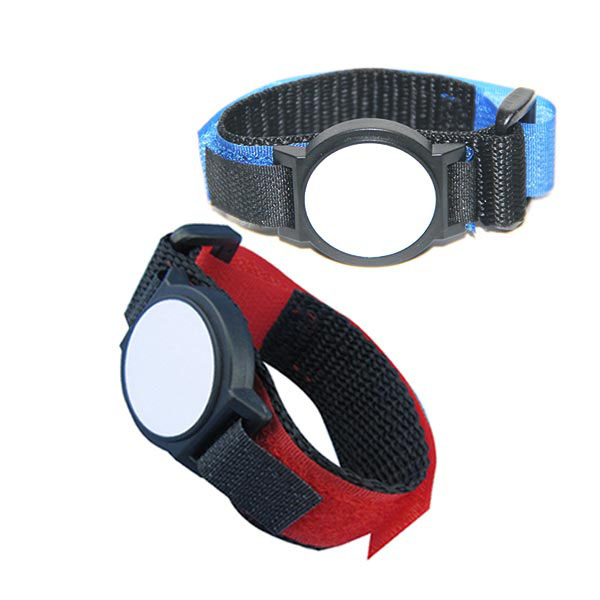
XIUCHENG RFID specjalizuje się w produkcji szerokiej gamy produktów RFID, w tym opasek silikonowych RFID, opasek Tyvek, opasek materiałowych, opasek elastycznych, opasek winylowych, przywieszek RFID do prania, przywieszek dla zwierząt i kart RFID. Wszystkie produkty są wytwarzane pod ścisłą kontrolą jakości i przy użyciu zaawansowanej technologii produkcji.
Dzięki 12-letniemu doświadczeniu w projektowaniu opasek na rękę, projektowaniu tagów, zarządzaniu jakością i zarządzaniu relacjami z klientami, zbudowaliśmy solidne podstawy do dostarczania niezawodnych i wydajnych rozwiązań RFID.
Przemyślenia końcowe
Projekty RFID rzadko kończą się niepowodzeniem z powodu wad samej technologii. Większość niepowodzeń wynika z nieodpowiedniego planowania i niewystarczającej weryfikacji przed rozpoczęciem masowej produkcji.
Doświadczeni nabywcy zdają sobie sprawę, że tagi RFID nie są zwykłymi naklejkami — są to precyzyjne elementy elektroniczne, które muszą niezawodnie działać w rzeczywistych warunkach eksploatacyjnych.
Ustrukturyzowany proces testowania pomaga uniknąć kosztownych niespodzianek, chroni harmonogram projektu i zapewnia długoterminową niezawodność systemu.
Niezależnie od tego, czy zamawiasz etykiety RFID do zastosowań w handlu detalicznym, zarządzaniu magazynami, śledzeniu zasobów przemysłowych, służbie zdrowia czy identyfikacji zwierząt hodowlanych, poświęcenie czasu na testy przedprodukcyjne niemal zawsze przyniesie pozytywny zwrot z inwestycji.
Najtańszy tag RFID niekoniecznie jest rozwiązaniem najkorzystniejszym pod względem kosztów.
Najlepszy tag RFID to taki, który działa niezawodnie, stabilnie i dokładnie tak, jak tego wymaga dane zastosowanie.