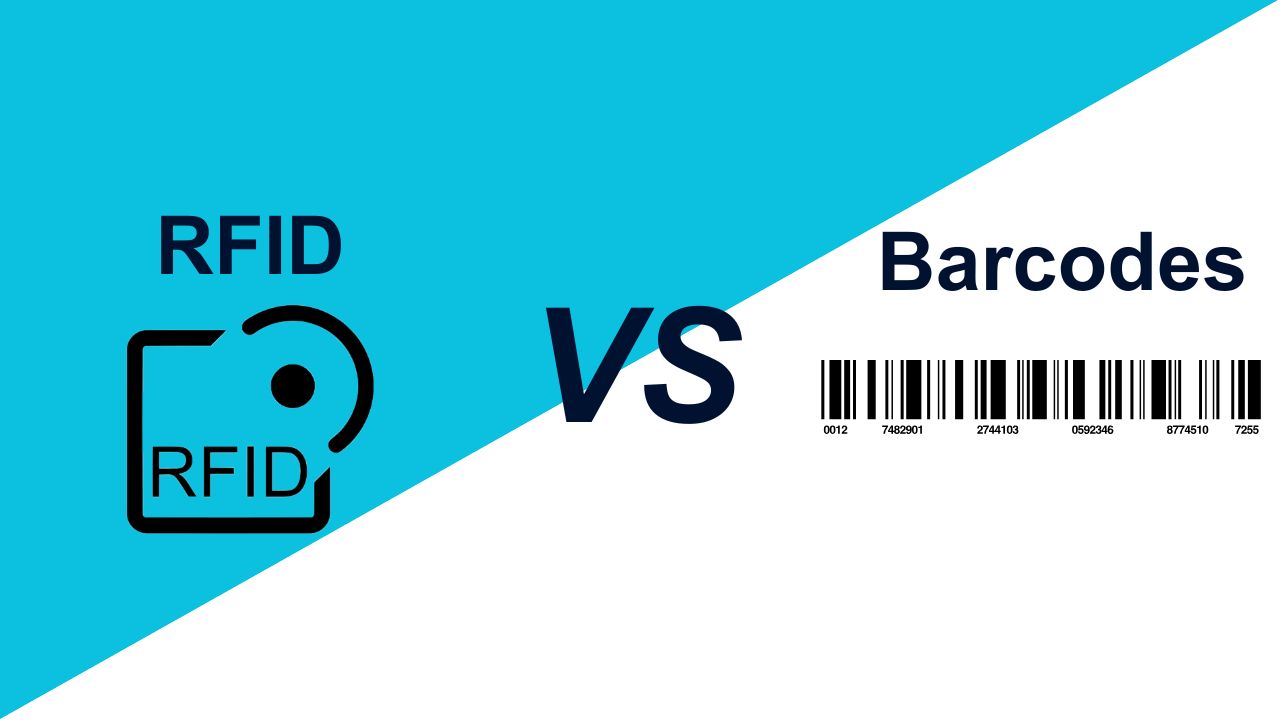
Accurate linen tracking is essential for hotels, hospitals, industrial laundries, and workwear rental services. For years, barcodes have been widely used to identify and count textiles. More recently, RFID laundry tags have become the preferred solution for large-scale operations.
Both technologies aim to improve inventory visibility and reduce losses, but they differ significantly in durability, efficiency, and long-term cost. This article compares RFID laundry tags and barcodes from an operational and procurement perspective, helping decision-makers determine which solution best fits their linen management needs.
How Barcode Linen Tracking Works
Barcode systems rely on printed labels or woven barcode tags attached to linens. Each item is identified by scanning the barcode using a handheld or fixed scanner.
Key Characteristics of Barcode Systems
- Requires line-of-sight scanning
- Typically scans one item at a time
- Low initial cost
- Vulnerable to wear, fading, and chemical damage
Barcodes can be effective in low-volume or manual environments, but limitations become evident as scale increases.
How RFID Laundry Tag Tracking Works
RFID laundry tracking uses washable UHF RFID tags embedded into textiles. Each tag has a unique electronic ID that can be read automatically by RFID readers without direct visual contact.
Key Characteristics of RFID Systems
- No line-of-sight required
- Bulk reading of hundreds of items simultaneously
- Designed for harsh laundry environments
- Enables automated data collection
RFID systems integrate seamlessly with modern laundry automation and management software.
RFID vs Barcodes: Side-by-Side Comparison
1. Reading Speed and Efficiency
Barcodes
- Manual scanning required
- One item at a time
- Labor-intensive for large volumes
RFID Laundry Tags
- Automatic bulk reading
- No manual handling
- Suitable for high-throughput operations
Winner: RFID
2. Durability in Laundry Environments
Barcodes
- Ink fades after repeated washes
- Labels peel or tear
- Prone to damage from heat and chemicals
RFID Laundry Tags
- Rated for 200+ industrial wash cycles
- Resistant to heat, pressure, and detergents
- Stable performance over long lifecycles
Winner: RFID
3. Accuracy and Read Reliability
Barcodes
- Errors caused by poor visibility or damaged labels
- Missed scans common during peak operations
RFID Laundry Tags
- High read accuracy in bulk
- Consistent performance in bags, carts, and stacks
Winner: RFID
4. Labor Requirements
Barcodes
- Requires trained staff for scanning
- Slows down sorting and dispatch
RFID Laundry Tags
- Minimizes manual intervention
- Enables automation at key process points
Winner: RFID
5. Data Depth and Traceability
Barcodes
- Limited to basic identification
- No real-time tracking
RFID Laundry Tags
- Tracks wash counts, item movement, and lifecycle
- Supports data-driven inventory decisions
Winner: RFID
6. Initial Cost vs Long-Term ROI
Barcodes
- Lower upfront cost
- Higher ongoing labor and replacement costs
RFID Laundry Tags
- Higher initial investment
- Lower long-term operational costs
- Faster ROI at scale
Winner: Depends on operation size
When Barcodes May Still Be Suitable
Barcodes can be a practical choice for:
- Small laundries with low item volumes
- Operations with minimal automation
- Short-term or low-cost linen programs
For these scenarios, the simplicity of barcodes may outweigh their limitations.
When RFID Laundry Tags Are the Better Choice
RFID laundry tags are better suited for:
- Industrial laundries and centralized washing facilities
- Hotels and hospital groups with high linen turnover
- Uniform rental and workwear services
- Operations seeking automation and scalability
As linen volumes grow, RFID becomes significantly more efficient and cost-effective.
Procurement Considerations
When evaluating RFID for linen tracking, procurement managers should consider:
- Compatibility with existing readers and software
- Tag durability ratings
- Attachment methods
- Support from the RFID tag manufacturer
Working directly with a manufacturer allows for specification matching and real-world testing before mass deployment.
Conclusion
While barcodes have played an important role in linen tracking, their limitations become clear in modern, high-volume laundry operations. RFID laundry tags offer superior durability, automation, accuracy, and long-term cost control.
For organizations focused on operational efficiency and scalability, RFID laundry tags are the preferred solution for linen tracking.
XIUCHENG RFID manufactures UHF fabric laundry tags and RFID linen labels engineered for industrial laundry environments, supporting reliable performance across large-scale deployments worldwide.