


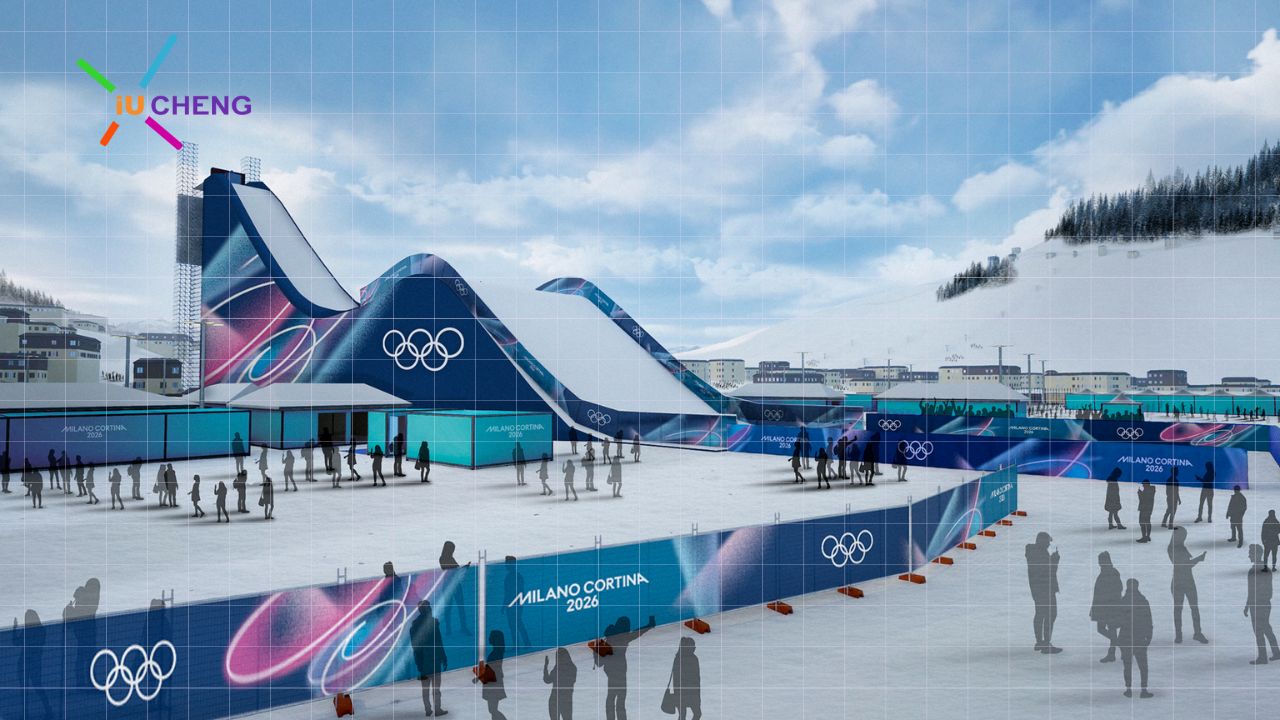
The Milano-Cortina 2026 Winter Olympics were not just a sporting event — they were a large-scale digital infrastructure project. With venues spread across Northern Italy and Alpine regions, organizers relied on advanced technologies to manage operations efficiently. Among them, RFID (Radio Frequency Identification) and NFC (Near Field Communication) played critical roles in logistics, access control, and contactless services.
Here’s how RFID technology supported one of the most complex Winter Games in Olympic history.
1. RFID for Olympic Logistics and Asset Tracking
The 2026 Winter Games covered multiple cities, including Milan, Cortina d’Ampezzo, and surrounding mountain venues. Coordinating equipment, broadcasting infrastructure, security systems, and venue materials across such distances required real-time visibility.
How RFID Helped:
- Tracking high-value equipment between venues
- Monitoring timing systems and technical gear
- Managing inventory across temporary and permanent installations
- Reducing manual barcode scanning errors
- Integrating with centralized logistics dashboards
RFID tags attached to transport containers and critical assets enabled automated tracking as items passed through checkpoints or venue entry points. Compared to traditional barcode systems, RFID allowed bulk reading without line-of-sight, improving speed and reliability.
For global sporting events, RFID-based logistics management has become standard practice to minimize delays and reduce operational risk.
2. RFID Wearables for Access Control and Venue Entry
Large-scale events require seamless credential verification for athletes, staff, media, and VIP guests.
At Milano-Cortina 2026, RFID-enabled credentials and wearables were used for:
- Athlete village access
- Media and restricted zone entry
- VIP hospitality areas
- Staff movement across secured zones
RFID access systems allow fast gate validation without physical contact — particularly valuable in winter environments where gloves and cold temperatures make manual checks inefficient.
These systems typically operate on HF (13.56 MHz) or UHF RFID frequencies, depending on required read distance and security configuration.
3. Contactless Payments and NFC Integration
NFC — a short-range subset of RFID — was integrated into payment and consumer interaction systems during the Games.
Use Cases Included:
- Contactless payment at concession stands
- NFC-enabled wearable payment bands
- Mobile wallet ticket validation
- Touch-and-go merchandise purchases
Winter sports venues often experience peak-time congestion. NFC contactless solutions significantly reduce queue time compared to cash or chip-and-PIN transactions.
For sponsors and event operators, NFC also enables:
- Secure transaction logging
- Reduced fraud risk
- Faster transaction throughput
4. RFID in Ski Lift and Mountain Access Systems
Given the alpine setting, RFID was also relevant in mountain operations.
Ski lift systems commonly use RFID-based access cards or wristbands, allowing automated gate entry without scanning paper tickets. At large winter events, this infrastructure supports:
- Controlled access to competition zones
- Efficient movement between slopes
- Visitor analytics and traffic flow monitoring
These systems often use HF RFID or UHF passive tags depending on environmental and performance requirements.
5. Why RFID Was Critical for Milano-Cortina 2026
The 2026 Winter Olympics faced unique challenges:
- Multi-city geographic dispersion
- Harsh winter weather conditions
- Massive equipment transportation demands
- High visitor density at peak times
RFID technology provided three major operational advantages:
1. Speed
Bulk, automated reading reduced human bottlenecks.
2. Accuracy
Minimized manual data entry and scanning errors.
3. Real-Time Visibility
Enabled centralized monitoring across dispersed venues.
Combined with cloud platforms, IoT sensors, and analytics systems, RFID became part of a broader smart event infrastructure strategy.
6. The Bigger Trend: RFID in Global Sporting Events
Milano-Cortina 2026 reflects a broader industry shift. Major global events increasingly deploy RFID for:
- Asset tracking
- Access control
- Athlete credentialing
- Contactless fan engagement
- Retail automation
From stadium concessions to supply chain management, RFID reduces friction while improving operational intelligence.
As international events continue scaling in complexity, RFID will remain a foundational technology for smart venue ecosystems.
Final Thoughts
The Italy 2026 Winter Olympics demonstrated how RFID technology extends far beyond retail applications. It played a quiet but essential role in enabling logistics precision, secure access control, and seamless fan experiences across a geographically complex event landscape.
For organizers of large-scale sporting events, RFID is no longer optional — it is infrastructure.

About XIUCHENG RFID
XIUCHENG RFID specializes in manufacturing a wide range of RFID products, including RFID Silicone Wristbands, Tyvek Wristbands, Fabric Wristbands, Elastic Wristbands, Vinyl Wristbands, RFID Laundry Tags, Animal Tags, and RFID Cards. All products are produced under strict quality control and advanced production technology.
With 12 years of experience in wristband design, tag design, quality management, and customer relationship management, we have built a solid foundation for delivering reliable and high-performance RFID solutions.


