


Plastic has been the default material across supply chains for decades—cheap, durable, and scalable. But in 2026, sustainability is no longer a branding exercise; it’s a procurement requirement. For RFID manufacturers, system integrators, and enterprise buyers, the shift away from plastic is reshaping material selection, product design, and compliance frameworks.
This article explores the most viable eco-friendly alternatives to plastic, with a specific focus on how they intersect with RFID technology, including smart cards, tags, packaging, and industrial applications.
Why the RFID Industry Must Rethink Plastic
RFID products—especially cards, wristbands, and tags—traditionally rely on PVC, PET, or ABS plastics. While effective for durability and RF performance, these materials present challenges:
- Non-biodegradable waste accumulation
- Increasing regulatory pressure (EU Green Deal, ESG mandates)
- Rising demand for sustainable procurement in B2B contracts
Forward-looking RFID suppliers are now expected to offer environmentally responsible material options without compromising read range, chip protection, or encoding reliability.

1. Wood-Based Materials (Smart Wooden RFID Cards)
Wood has emerged as a premium eco-friendly alternative in RFID card manufacturing.
Key Advantages
- Renewable and biodegradable
- Unique grain aesthetics for branding
- Compatible with NFC chips like NTAG213/216
RFID Application
Wooden RFID cards are widely used in:
- Sustainable hotel key cards
- Eco-conscious business cards
- Membership and loyalty programs
Technical Considerations
- Requires precise cavity milling for chip embedding
- Moisture sensitivity must be mitigated with coatings
- RF signal performance remains stable when properly laminated
Insight: Wooden NFC cards are not just eco-friendly—they also enhance perceived brand value, making them ideal for hospitality and luxury sectors.
2. Paper-Based RFID (RFID Paper Tags & Cards)
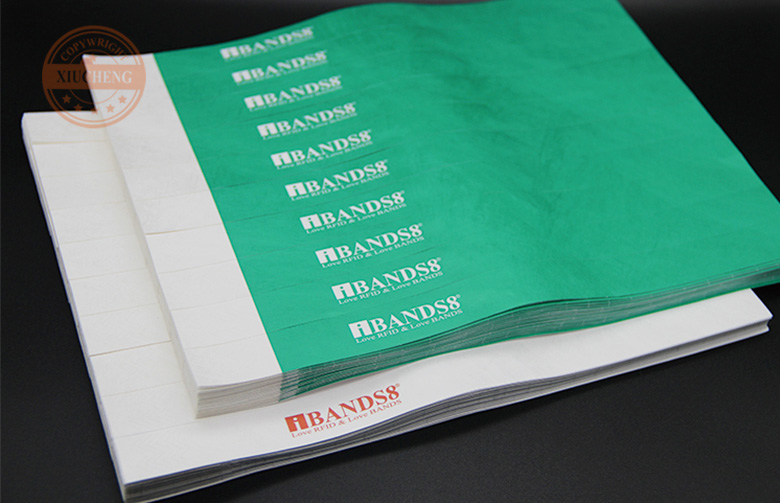
Paper is one of the most scalable and recyclable alternatives to plastic.
Key Advantages
- Low carbon footprint
- Cost-effective for mass production
- Easily recyclable in standard streams
RFID Application
- RFID labels for logistics and retail
- Smart packaging solutions
- Event tickets and disposable access cards
Technical Considerations
- Typically uses UHF inlays embedded between paper layers
- Limited durability in humid or high-friction environments
- Short lifecycle use cases are ideal
Use Case: Major retailers are adopting paper-based RFID tags to replace plastic labels in apparel tracking systems.

3. Bioplastics (PLA, PHA, and Bio-PVC)
Bioplastics bridge the gap between performance and sustainability.
Types
- PLA (Polylactic Acid): Derived from corn starch
- PHA (Polyhydroxyalkanoates): Biodegradable in marine environments
- Bio-PVC: Reduced fossil fuel dependency
RFID Application
- RFID wristbands for events
- Access control cards
- Asset tracking tags
Technical Considerations
- Comparable molding processes to traditional plastics
- Thermal resistance varies (PLA can deform at high temperatures)
- Certification (e.g., compostability) must be verified
Insight: Bioplastics are particularly valuable in applications where traditional plastic performance is required but sustainability is a differentiator.
4. Bamboo (High-Strength Natural Composite)
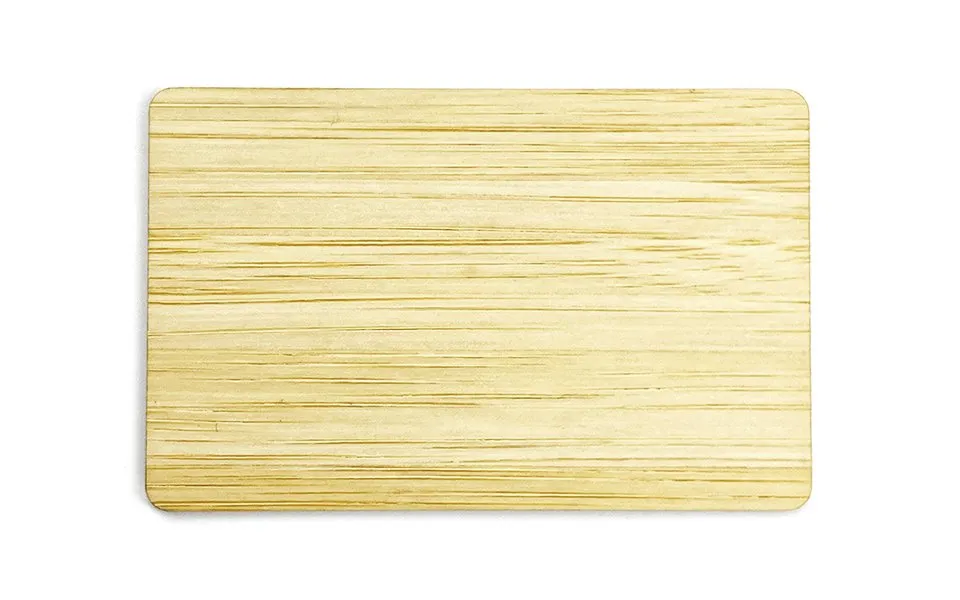
Bamboo offers a unique combination of strength and sustainability.
Key Advantages
- Fast-growing renewable resource
- Higher tensile strength than many woods
- Distinct natural appearance
RFID Application
- RFID hotel cards
- Eco-friendly access badges
- Smart promotional items
Technical Considerations
- Similar to wood in RFID embedding
- Requires anti-warping treatment
- Slightly higher production cost
Market Trend: Bamboo RFID cards are increasingly used by eco-resorts and green-certified hotels.

5. Recycled Materials (Recycled PET & Ocean Plastics)
Instead of eliminating plastic entirely, many RFID manufacturers are shifting to recycled inputs.
Key Advantages
- Reduces plastic waste in oceans and landfills
- Maintains durability and flexibility
- Compatible with existing RFID manufacturing processes
RFID Application
- RFID laundry tags
- Industrial asset tracking
- Durable ID cards
Technical Considerations
- Requires supply chain traceability for certification
- Performance nearly identical to virgin plastic
- Often used in combination with ESG reporting
Insight: Recycled PET RFID cards provide a practical transition strategy for enterprises not ready for full material replacement.
6. Fabric & Textile-Based RFID
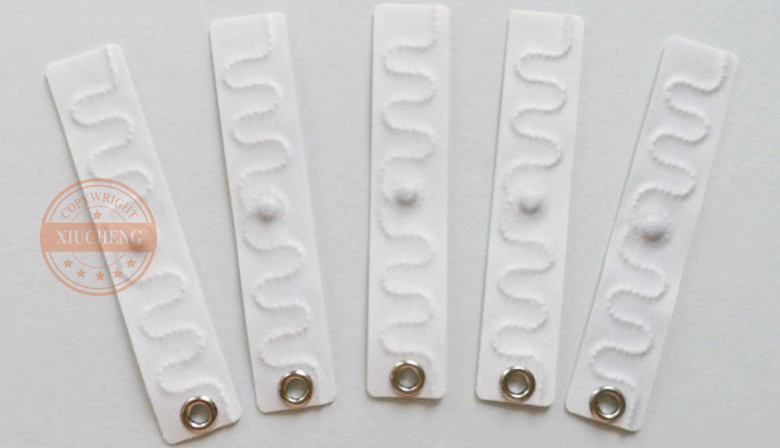
Textiles represent a niche but highly effective alternative in specific sectors.
Key Advantages
- Flexible and washable
- Ideal for wearable RFID
- Reduced reliance on rigid plastics
RFID Application
- RFID laundry tags (linen tracking)
- Smart uniforms
- Event wristbands
Technical Considerations
- Encapsulation required for chip protection
- Must withstand washing cycles and chemicals
- UHF frequency commonly used
How to Choose the Right Material for RFID Products
Selecting an eco-friendly alternative is not just about sustainability—it’s a systems engineering decision. Consider:
1. Application Environment
- Indoor vs outdoor
- Exposure to water, heat, or chemicals
2. Lifecycle Requirements
- Disposable vs long-term use
- Reusability vs recyclability
3. RF Performance
- Material interference with signal propagation
- Frequency band (HF/NFC vs UHF)
4. Compliance & Certification
- FSC (for wood/paper)
- Compostability standards (PLA/PHA)
- Recycled content verification
The Future: Sustainable RFID as a Competitive Advantage
The RFID industry is entering a phase where sustainability is integrated into product engineering—not added as an afterthought. Buyers are no longer asking if eco-friendly options exist, but which ones meet performance standards at scale.
Companies that invest early in sustainable RFID materials will benefit from:
- Stronger positioning in enterprise procurement
- Compliance with global environmental regulations
- Enhanced brand perception in ESG-conscious markets
Final Thoughts
There is no one-size-fits-all replacement for plastic in RFID. Instead, the future lies in a diversified material strategy—leveraging wood for premium cards, paper for disposable tags, bioplastics for flexibility, and recycled materials for durability.
For RFID solution providers, the opportunity is clear: align material innovation with real-world performance requirements. Those who do will not only reduce environmental impact but also lead the next generation of intelligent, sustainable identification systems.

About XIUCHENG RFID
XIUCHENG RFID specializes in manufacturing a wide range of RFID products, including RFID Silicone Wristbands, Tyvek Wristbands, Fabric Wristbands, Elastic Wristbands, Vinyl Wristbands, RFID Laundry Tags, Animal Tags, and RFID Cards. All products are produced under strict quality control and advanced production technology.
With 12 years of experience in wristband design, tag design, quality management, and customer relationship management, we have built a solid foundation for delivering reliable and high-performance RFID solutions.


