



For decades, the hospitality industry has focused on delivering exceptional guest experiences while tightly managing operational costs. Central to this balancing act is the often‑overlooked domain of linen and textile management—an area that directly affects cleanliness standards, guest satisfaction, departmental efficiency, and bottom‑line performance.
As hotel portfolios expand globally and outsourcing models become more prevalent, operators increasingly face the limitations of manual tracking systems and barcode‑based laundry processes. This has accelerated interest in Radio Frequency Identification (RFID) laundry tag systems as a reliable, scalable solution for inventory visibility, loss reduction, and process automation.
This article examines the largest hotel chains in the world, identifies the operational pressures they face in laundry management, and explores how RFID laundry tag technology is being adopted across the hospitality sector to transform linen handling from a cost center into a data‑driven operational advantage.
1. Marriott International: Operational Scale, Linen Complexity, and RFID Adoption

Marriott International remains the largest hotel company in the world by number of rooms and brand footprint. With over 9,000 hotel properties and more than 1.7 million rooms in more than 140 countries, its portfolio spans luxury, upscale, upper‑midscale, and select‑service segments. Marriott’s global scale creates unique opportunities and challenges for operational teams managing housekeeping, laundry, and textile replenishment.
The Linen Challenge at Scale
At a single large property, the daily linen requirement can exceed tens of thousands of pieces, including:
- Bed sheets and pillowcases
- Towels (bath, hand, washcloth)
- Bathrobes and spa linens
- Tablecloths and napery in F&B venues
- Kitchen linens in back‑of‑house
Multiply this across thousands of properties, and linen inventory becomes a multi‑million‑piece asset class. Marriott centralizes many of its housekeeping operational standards, but each region or property maintains autonomy with regard to laundry execution. Some high‑volume properties operate in‑house laundry facilities; others partner with commercial laundry vendors under service agreements.
Traditional processes rely on manual counts or barcode scanners when linens are received from the laundry. These methods are time‑consuming, error‑prone, and make it difficult to verify consumption patterns, loss rates, or actual item life cycles.
RFID Laundry Tags Enter the Picture
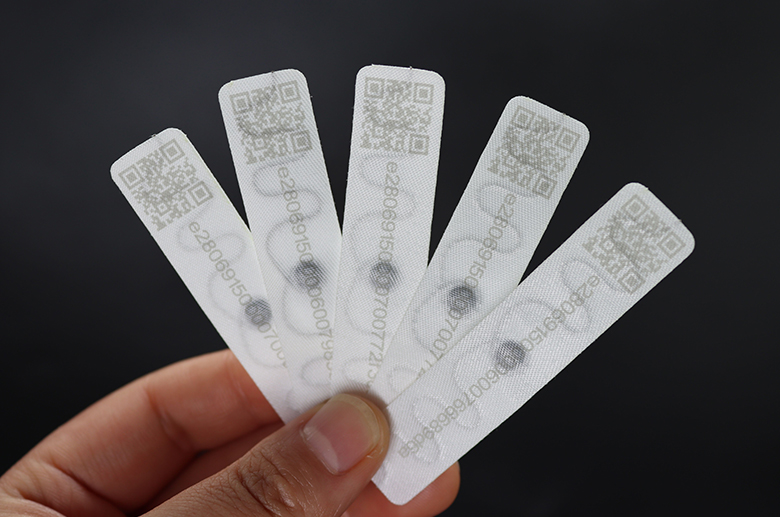
RFID laundry tag technology provides a durable, non‑line‑of‑sight method for identifying linens throughout the laundry process. Tags are embedded or sewn into individual items and can be read automatically as the linen moves through sorting conveyors, washing machines, dryers, and distribution points.
For Marriott, pilots of RFID laundry RFID systems have shown:
- Reduced processing time, since items no longer require manual scanning
- Lower shrinkage rates as missing items are detected earlier
- Automated counts at scale as linen batches are processed
By capturing high‑resolution data at each touchpoint, operators gain insights into linen usage trends and wear patterns. This data can inform procurement planning, optimize linen replacement cycles, and reduce waste.
2. Jin Jiang International: Linen Management in the World’s Broadest Portfolio

Jin Jiang International has grown into the largest hotel operator by number of properties, with more than 14,000 hotels and nearly 1.44 million rooms worldwide. The company’s portfolio consists of economy, mid‑range, upscale, and luxury brands tailored to diverse markets from China to Europe and beyond.
Centralized vs Decentralized Laundry Models
Unlike some global chains that attempt to standardize linen operations centrally, Jin Jiang often allows regional and property teams to tailor their approaches. In China and Asia, where Jin Jiang’s footprint is densest, many properties outsource their entire laundry function to large industrial laundry partners. These partners handle tens of thousands of pieces daily for multiple hotels in a shared facility.
In this environment, RFID laundry tags offer clear advantages:
- Real‑time batch tracking across partner facilities
- Reduced reconciliation costs at hotel check‑in points
- Improved accountability between hotel and laundry vendor contracts
By encoding unique IDs into every sheet, towel, and fabric piece, operators can trace an item’s journey from collection to delivery, reducing disputes and improving service level agreement (SLA) compliance.
Standardization Across Brands
Jin Jiang’s multi‑brand strategy introduces variability in linen quality and SKU counts. RFID systems help standardize performance reporting across these diverse inventory pools. Once a tag is associated with a specific SKU and lifecycle parameters, usage metrics become easier to compare across brands and regions.
This drives a more cohesive understanding of linen performance, even in geographically and operationally heterogeneous environments.
3. Hilton Worldwide: Managing Linen Across Diverse Market Segments
Hilton Worldwide operates thousands of hotels spanning luxury brands like Waldorf Astoria and Conrad through mainstream offerings such as Hilton Garden Inn and DoubleTree.
Operational Pressure Points
Key linen and laundry challenges include:
- High turnover in urban properties, where guest stays are short but linen consumption remains high
- Seasonal demand fluctuations, especially in resort properties
- Contract laundry coordination across regions
Hilton’s housekeeping operations historically relied on barcode and manual recording systems. However, these approaches struggle to provide visibility across larger laundry batches and can introduce bottlenecks in peak periods.
RFID Implementation in Practice
Hotels that have adopted RFID laundry tag systems report:
- Faster processing times at laundry unloading docks
- Automated inventory reconciliation without manual input
- Data integration with property management systems (PMS) and housekeeping dashboards
RFID technology improves accountability within multi‑vendor laundry models, where hotel teams need accurate verification that the expected number of items has been returned.
This is particularly important for Hilton’s larger conventions and resort properties, where linen throughput can reach tens of thousands of pieces per week.
4. H World Group and IHG Hotels & Resorts: Building Operational Visibility
Both H World Group (formerly Huazhu) and InterContinental Hotels Group (IHG) operate global portfolios that emphasize operational excellence and guest service standards across midmarket and upscale segments.
H World Group

In China and Asia’s fast‑growing market, H World Group’s volume nursing demands position it perfectly to benefit from RFID deployment.
Linen management systems with RFID support help H World professionals to:
- Track laundry cycles across multiple properties
- Ensure consistent quality standards
- Automate inventory reconciliation
With outsourcing models common in its core markets, RFID enables greater transparency between hotel operators and laundry service providers.
IHG Hotels & Resorts

IHG’s global reach has made operational consistency a priority. Brands like InterContinental, Crowne Plaza, and Holiday Inn have varying linen requirements and laundering partners.
RFID systems help IHG:
- Centralize reporting on laundry performance
- Monitor loss rates with precision
- Inform procurement decisions with objective usage data
Across both groups, RFID tags act as the connective tissue between disparate operational systems, driving better metrics and reducing disputes with external partners.
5. Wyndham Hotels: Scaling RFID in Outsourced Laundry Models

Wyndham Hotels & Resorts manages nearly a million rooms worldwide. Its portfolio is heavily weighted toward economy and midscale offerings, where operational efficiency and cost control are paramount.
The Case for RFID in Budget & Midscale
In budget and midscale properties, linen volume is high, labor resources are limited, and outsourcing is common. External laundry partners often serve several properties simultaneously.
RFID laundry systems streamline this ecosystem by ensuring:
- Accurate batch counts without barcodes or manual scanning
- Automated sorting assistance using RFID readers at conveyor points
- Reconciliation dashboards shared between hotel and laundry partner
By automating high‑frequency tasks, RFID systems reduce labor costs, minimize discrepancies, and deliver predictable throughput—critical advantages in budget‑oriented operations.
6. Accor Group: A European Linen Management Benchmark

Accor, Europe’s largest hotel operator, maintains a diverse portfolio across luxury, upscale, and economy brands. Its scale and brand diversity make linen and laundry operations inherently complex.
Data‑Driven Linen Lifecycle Management
Accor has pioneered RFID deployments that extend beyond simple tracking:
- Lifecycle analytics for each piece of linen
- Predictive replacement planning based on wash count and usage patterns
- Integration with housekeeping and procurement systems
These data streams help Accor reduce unnecessary replacement cycles and lower total cost of ownership (TCO) for textile assets.
Additionally, centralized reporting allows corporate operations teams to benchmark performance across brands and regions, contributing to continuous improvement programs.
7. Emerging Leaders: Choice Hotels, OYO, and Radisson Hotel Group
Emerging and regional leaders such as Choice Hotels International, OYO Rooms, and Radisson Hotel Group are also deploying or piloting RFID laundry tag systems as part of broader hospitality automation strategies.
Choice Hotels International
Choice’s portfolio, with emphasis on franchised properties, benefits from RFID systems that:
- Offer consistent performance benchmarks across franchisees
- Help reduce shrinkage associated with high turnover
- Provide audit trails for outsourced laundry partners
OYO Rooms
OYO’s rapid expansion and franchise model necessitate scalable, low‑touch operational solutions. RFID laundry tags provide:
- Automated reconciliation for partner properties
- Reduced dependency on manual processes
- Better compliance tracking with brand standards
Radisson Hotel Group
Radisson’s focus on guest experience has driven interest in RFID to support:
- Quality control in textile presentation
- Faster linen turnover without sacrificing cleanliness
- Rich data feeds for operational monitoring
Why RFID Laundry Tags Are Becoming Essential in Hospitality Operations
Across all these global leaders, several core trends explain why RFID laundry tag adoption is accelerating:
1. Automated Inventory Tracking at Scale
RFID provides unattended, non‑line‑of‑sight reading. Unlike barcodes that require line‑of‑sight positioning and manual scanning, RFID readers can capture hundreds of tags simultaneously with high accuracy. This dramatically speeds up inventory processing at:
- Laundry receiving points
- Sorting conveyors
- Storage and distribution areas
Automated tracking reduces human error and frees staff to focus on higher‑value tasks.
2. Durable Performance in Industrial Laundry Environments
RFID laundry tags are specifically engineered to withstand:
- High‑temperature washing and drying
- Chemical exposure
- Mechanical abrasion from continuous cycling
Modern tags can endure hundreds of wash cycles without data degradation, making them suitable for long‑term deployment in commercial laundry settings.
3. Loss Prevention and Shrinkage Reduction
Hotel linen loss has historically been a significant cost driver. Traditional systems struggle to pinpoint when and where losses occur, which makes it difficult to enforce accountability or improve processes.
RFID systems:
- Provide unique IDs for each item
- Create an audit trail from pick‑up to return
- Enable exception reporting when items fail to appear at expected checkpoints
This leads to measurable reductions in shrinkage and better inventory control.
4. Operational Analytics and Decision Support
RFID tags generate high‑resolution event data that can be analyzed to reveal trends such as:
- Average wash cycles before replacement
- Usage patterns by property or SKU
- Peak laundry processing loads
This data supports strategic decisions about procurement cycles, outsourcing contracts, and operational staffing.
5. Enhanced Contract Management with Laundry Service Providers
Many hotel operators outsource laundry to third‑party vendors. RFID systems create:
- Shared visibility into throughput and performance
- Objective SLA verification metrics
- Reduced disputes over item counts
This fosters stronger partnerships and improves service delivery benchmarks.
Measuring ROI and Operational Impact
The adoption of RFID laundry tags is not just a technology trend—it is driven by measurable financial and operational returns:
- Labor Savings: Automated scanning often reduces manual counting tasks by 50–80%.
- Loss Reduction: Shrinkage declines when every piece is tracked throughout the process.
- Throughput Gains: RFID supports faster sorting and reconciliation cycles.
- Predictive Replenishment: Data‑backed decisions reduce over‑purchase and minimize stockouts.
- Vendor Accountability: Shared systems improve cost‑sharing and performance outcomes.
Conclusion: RFID Laundry Tags Are Transforming Hospitality Operations
Global hotel chains from Marriott and Hilton to Accor and emerging players are redefining how linen and textile assets are managed. The sheer volume of linens processed across millions of rooms makes manual and barcode systems insufficient for modern operational demands.
RFID laundry tags address this gap by offering highly accurate, automated, and durable identification mechanisms that deliver visibility, operational efficiency, and data‑driven insights. As hospitality operators continue to pursue cost optimization and quality standards, RFID technology is becoming a strategic enabler—not a niche innovation.
The rapid expansion of hotel portfolios and outsourcing models underscores the need for robust, scalable linen management systems. By embracing RFID laundry tag solutions, hotel chains enhance operational control, reduce waste, and maintain higher cleanliness and service standards—ultimately strengthening their competitive position in a demanding global market.

About XIUCHENG RFID
XIUCHENG RFID specializes in manufacturing a wide range of RFID products, including RFID Silicone Wristbands, Tyvek Wristbands, Fabric Wristbands, Elastic Wristbands, Vinyl Wristbands, RFID Laundry Tags, Animal Tags, and RFID Cards. All products are produced under strict quality control and advanced production technology.
With 12 years of experience in wristband design, tag design, quality management, and customer relationship management, we have built a solid foundation for delivering reliable and high-performance RFID solutions.


