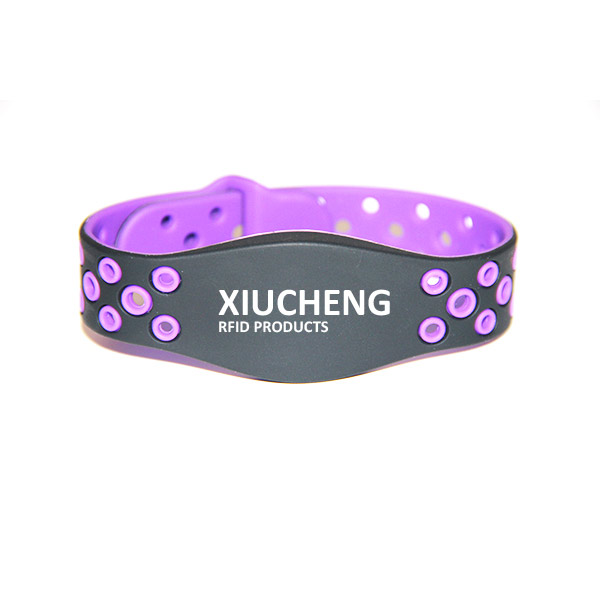
A tecnologia RFID é amplamente utilizada para a localização de ativos, gestão de inventário, logística, produção e automatização de armazéns. Em muitos projetos de RFID, os utilizadores esperam que as etiquetas funcionem de forma consistente, independentemente do local onde estejam colocadas.
No entanto, um dos problemas mais comuns encontrados durante a implementação da tecnologia RFID é que As etiquetas RFID padrão deixam frequentemente de funcionar ou apresentam alcances de leitura drasticamente reduzidos quando colocadas em superfícies metálicas.
Muitas empresas só se apercebem deste problema depois de adquirirem grandes quantidades de etiquetas RFID e verificarem que o desempenho de leitura diminui de vários metros para apenas alguns centímetros — ou desaparece por completo.
Então, por que é que isto acontece?
A relação entre a tecnologia RFID e as ondas de rádio
Os sistemas RFID comunicam através de sinais de radiofrequência.
Um sistema RFID típico é composto por:
- Leitor RFID
- Antena RFID
- etiqueta RFID
- Plataforma de software
O leitor emite energia eletromagnética através da sua antena. A etiqueta RFID recebe essa energia e responde transmitindo os dados que tem armazenados.
Para que a comunicação RFID funcione corretamente:
- A antena do tag deve entrar em ressonância na frequência para a qual foi concebida.
- O campo eletromagnético deve permanecer estável.
- A reflexão e a absorção do sinal devem ser minimizadas.
As superfícies metálicas impedem que estas três condições se verifiquem.
Por que razão o metal causa problemas com a tecnologia RFID
O metal é um excelente condutor de eletricidade.
Quando uma etiqueta RFID é colocada diretamente sobre uma superfície metálica, o metal interage com a antena da etiqueta e altera as suas características elétricas.
Isto dá origem a vários problemas:
Reflexão do sinal
O metal reflete as ondas de rádio, em vez de as deixar passar.
Quando os sinais RFID atingem uma superfície metálica:
- Parte do sinal é refletida.
- Os padrões de sinal ficam distorcidos.
- A comunicação entre o leitor e a etiqueta torna-se instável.
O resultado são distâncias de leitura mais curtas e um desempenho irregular.
Desafinação da antena
A des sintonização é a principal razão pela qual as etiquetas RFID normais não funcionam em superfícies metálicas.
As antenas RFID são cuidadosamente concebidas para funcionar em frequências específicas.
Por exemplo:
- RFID UHF: 860–960 MHz
- RFID de alta frequência: 13,56 MHz
- RFID de baixa frequência: 125 KHz ou 134,2 KHz
Quando uma etiqueta RFID padrão é fixada diretamente sobre metal:
- A impedância da antena varia.
- Alterações na frequência de ressonância.
- A eficiência da transferência de energia diminui.
A etiqueta pode continuar a funcionar, mas a distância de leitura pode diminuir entre 80 e 951 TP3T.
Em muitos casos, a etiqueta torna-se completamente ilegível.
Absorção do sinal
O metal pode absorver e redirecionar a energia eletromagnética.
Em vez de transferir energia de forma eficiente para o chip RFID, grande parte do sinal perde-se.
Isto reduz:
- Sensibilidade das etiquetas
- Desempenho do leitor
- Ler com fiabilidade
O efeito torna-se mais acentuado à medida que a frequência de funcionamento aumenta.

Por que razão a tecnologia RFID UHF é a mais afetada
De entre todas as frequências RFID, a tecnologia RFID UHF é, em geral, a mais sensível à interferência causada por metais.
Os sistemas RFID de UHF são populares porque oferecem:
- Longa distância de leitura
- Leitura rápida em massa
- Elevada eficiência na gestão de stock
No entanto, os sinais UHF têm comprimentos de onda mais curtos e são fortemente influenciados por materiais condutores nas proximidades.
Uma etiqueta UHF padrão com um alcance de 8 a 10 metros ao ar livre só pode indicar:
- 10–30 cm em metal
- Ou nem sequer ler
É por isso que as etiquetas RFID de papel convencionais falham frequentemente em ambientes industriais.
Exemplos reais de falhas do RFID em superfícies metálicas
Estantes de armazém
Muitos armazéns utilizam estantes metálicas.
Se as etiquetas RFID padrão forem afixadas diretamente nas prateleiras de aço:
- O alcance de leitura diminui drasticamente
- A precisão do inventário diminui
- As falhas de leitura tornam-se frequentes
Rastreio de ativos de TI
Os servidores, os computadores portáteis, os routers e os switches contêm todos componentes metálicos de grandes dimensões.
As etiquetas RFID normais tornam-se frequentemente ilegíveis quando aplicadas diretamente em:
- Chassis do servidor
- Equipamento de rede
- Ativos do centro de dados
Rastreio de ferramentas
As instalações de produção costumam monitorizar:
- Chaves
- Exercícios
- Ferramentas de corte
- Componentes do molde
A maioria das ferramentas é inteiramente de metal, o que torna as etiquetas RFID normais ineficazes.
Contentores industriais
Os contentores metálicos, os cilindros e os artigos de transporte reutilizáveis apresentam desafios semelhantes.
Sem a tecnologia RFID anti-metal, o desempenho das etiquetas deixa de ser fiável.
Como as etiquetas RFID anti-metal resolvem o problema
Para superar a interferência causada por metais, os fabricantes desenvolveram etiquetas RFID especializadas anti-metal.
Estas etiquetas incluem uma camada de separação entre a antena e a superfície metálica.
Esta camada é frequentemente designada por:
- Camada de isolamento
- Camada espaçadora
- Revestimento em espuma
- Camada de ferrite
O seu objetivo é impedir que o metal provoque uma desafinação da antena.
Tecnologia de ferrite
Muitas etiquetas RFID anti-metal de alto desempenho utilizam materiais de ferrite.
A ferrite proporciona isolamento magnético entre:
- Antena RFID
- Objeto metálico
Os benefícios incluem:
- Maior estabilidade do sinal
- Maior distância de leitura
- Maior precisão de leitura
- Melhor desempenho na proximidade de superfícies condutoras
As etiquetas à base de ferrite são amplamente utilizadas em:
- Fabrico
- Aeroespacial
- Centros de dados
- Automação industrial
Tipos de etiquetas RFID concebidas para metal
Etiquetas anti-metal para impressão
Adequado para:
- Gestão de activos
- Acompanhamento do armazém
- Equipamento informático
Vantagens:
- Leve
- Económica
- Superfície de impressão
Etiquetas RFID rígidas anti-metal
Concebido para ambientes industriais exigentes.
Características:
- Caixa robusta
- Design à prova de água
- Resistência ao choque
- Longa vida útil
As aplicações mais comuns incluem:
- Rastreio de ferramentas
- Equipamento pesado
- Recursos ao ar livre
Etiquetas RFID em PCB
As etiquetas anti-metal em PCB utilizam tecnologia de placas de circuito impresso.
Benefícios:
- Tamanho compacto
- Desempenho estável
- Elevada durabilidade
Frequentemente utilizado no fabrico de produtos eletrónicos.
Etiquetas RFID magnéticas
Algumas etiquetas RFID anti-metal incluem opções de fixação magnética.
Ideal para:
- Rastreio temporário de ativos
- Gestão de armazéns
- Aplicações industriais reutilizáveis
Em que medida as etiquetas RFID anti-metal são melhores?
A diferença pode ser enorme.
| Tipo de etiqueta | Alcance de leitura em metal |
|---|---|
| Etiqueta RFID UHF padrão | 0–30 cm |
| Etiqueta RFID anti-metal | 1–5 metros |
| Etiqueta RFID rígida anti-metal | 3–12 metros |
| Etiqueta anti-metal industrial de longo alcance | Até 15+ metros |
O desempenho real depende de:
- Potência do leitor
- Conceção da antena
- Método de montagem
- Dimensões da superfície metálica
- Condições ambientais

Sobre a XIUCHENG RFID
A XIUCHENG RFID é especializada na fabricação de uma ampla gama de produtos RFID, incluindo pulseiras de silicone RFID, pulseiras Tyvek, pulseiras de tecido, pulseiras elásticas, pulseiras de vinil, etiquetas RFID para lavanderia, etiquetas para animais e cartões RFID. Todos os produtos são produzidos sob rigoroso controlo de qualidade e tecnologia de produção avançada.
Com 12 anos de experiência em design de pulseiras, design de etiquetas, gestão da qualidade e gestão de relacionamento com o cliente, construímos uma base sólida para fornecer soluções RFID confiáveis e de alto desempenho.
Setores comuns que utilizam etiquetas RFID anti-metal
Fabrico
Faixa:
- Ferramentas de produção
- Equipamento
- Calendário
- Ativos em curso
Petróleo e gás
Monitor:
- Tubos
- Cilindros
- Válvulas
- Equipamento de perfuração
Centros de dados
Gerir:
- Servidores
- Comutadores de rede
- Sistemas de armazenamento
Automóvel
Faixa:
- Componentes de veículos
- Ativos de produção
- Contentores retornáveis
Construção
Monitor:
- Maquinaria pesada
- Equipamento metálico
- Ativos de arrendamento
Como escolher a etiqueta RFID adequada para metal
Antes de selecionar uma etiqueta, tenha em conta o seguinte:
Dimensões da superfície metálica
Os objetos grandes de aço afetam o desempenho da tecnologia RFID de forma diferente das pequenas ferramentas metálicas.
Ler os requisitos de distância
Determine se precisa de:
- Identificação a curta distância
- Rastreamento de médio alcance
- Visibilidade dos ativos a longo prazo
Utilização em interiores ou no exterior
Os ambientes exteriores podem exigir:
- Classificações de impermeabilidade
- Resistência aos raios UV
- Resistência ao impacto
Método de montagem
As opções incluem:
- Revestimento adesivo
- Rebites
- Parafusos
- Suportes de soldadura
- Fixação magnética
Ambiente operacional
Considere a exposição a:
- Calor
- Produtos químicos
- Humidade
- Vibração
Por que razão os testes são importantes antes da implementação
Um erro que muitas empresas cometem é partir do princípio de que todas as etiquetas RFID funcionam da mesma forma.
Na realidade:
- O tipo de metal é importante
- A forma da superfície é importante
- A configuração do leitor é importante
- O método de instalação é importante
Uma etiqueta que funciona na perfeição num laboratório pode comportar-se de forma diferente no terreno.
Os fabricantes profissionais de RFID costumam fornecer:
- Análise de amostras
- Verificação do alcance de leitura
- Recomendações específicas para cada aplicação
A XIUCHENG RFID recomenda testar as etiquetas nos próprios ativos antes de uma implementação em grande escala.
Conclusão
As etiquetas RFID normais não funcionam em superfícies metálicas, uma vez que o metal reflete as ondas de rádio, absorve a energia eletromagnética e desajusta a antena RFID. Estes efeitos reduzem drasticamente o alcance de leitura e podem tornar as etiquetas completamente ilegíveis.
A solução consiste em utilizar etiquetas RFID anti-metal especialmente concebidas, que incorporam ferrite ou camadas de isolamento para manter o desempenho da antena na proximidade de materiais condutores.
Para setores como a indústria transformadora, a armazenagem, a gestão de ativos de TI, o setor do petróleo e do gás e a construção civil, a escolha da etiqueta RFID anti-metal adequada é essencial para garantir um desempenho fiável no rastreio e maximizar o retorno sobre o investimento (ROI) do sistema RFID.
Enquanto fabricante experiente de RFID, a XIUCHENG RFID fornece uma vasta gama de etiquetas RFID antimetal, etiquetas para placas de circuito impresso (PCB) e etiquetas rígidas industriais, concebidas para um funcionamento fiável em ativos metálicos em ambientes exigentes.
FAQ
As etiquetas RFID normais funcionam em metal?
Na maioria dos casos, as etiquetas RFID padrão sofrem uma grave degradação do desempenho quando colocadas diretamente sobre superfícies metálicas.
Por que é que o metal reduz o alcance de leitura do RFID?
O metal reflete e absorve as ondas de rádio, ao mesmo tempo que desajusta a antena RFID, reduzindo a eficiência da comunicação.
O que é uma etiqueta RFID anti-metal?
Uma etiqueta RFID anti-metal foi especialmente concebida com uma camada de isolamento ou material de ferrite que permite um funcionamento fiável em superfícies metálicas.
As etiquetas NFC também têm problemas com o metal?
Sim. As etiquetas NFC que funcionam a 13,56 MHz também podem apresentar um desempenho reduzido quando colocadas diretamente em contacto com metal sem uma blindagem adequada.
Que setores necessitam de etiquetas RFID anti-metal?
Os setores da indústria transformadora, logística, centros de dados, produção automóvel, construção, petróleo e gás, bem como a localização de ativos industriais, requerem frequentemente soluções RFID anti-metal.