What Materials Are RFID Jewelry Tags Made Of?
At first glance, an RFID jewelry tag looks like a simple label. In reality, it is a carefully engineered assembly designed to operate reliably in

At first glance, an RFID jewelry tag looks like a simple label. In reality, it is a carefully engineered assembly designed to operate reliably in

In jewelry retail, loss prevention is not a “security department problem”—it is a core operational requirement that directly affects margin, inventory accuracy, and customer service

In most RFID projects, the conversation starts with “tags.” In practice, the outcome is decided much earlier—at the inlay level. If you’ve ever seen inconsistent

In the luxury fashion industry, anti-counterfeiting is no longer a purely physical issue. It has evolved into a digital identity problem, where each product must
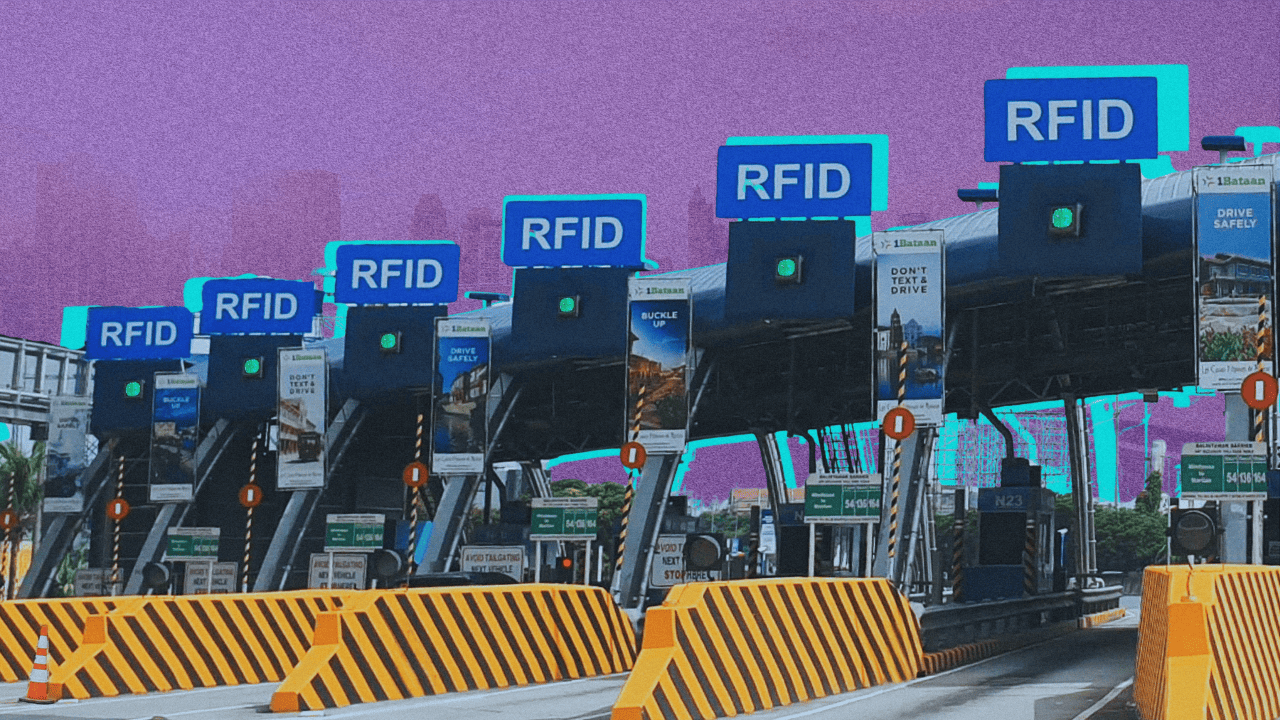
If you’ve ever worked on a tolling project—or supplied RFID components into one—you already know the reality: interoperability is rarely a technical checkbox. It’s where

In modern supply chain management, pharmaceutical logistics, and the food and beverage industry, precise and real-time liquid tracking is increasingly critical. Ultra-High Frequency Radio Frequency

Microchipping has become a global standard for pet identification, especially for dogs and cats involved in international travel, breeding programs, or regulated ownership. However, not

Plastic has been the default material across supply chains for decades—cheap, durable, and scalable. But in 2026, sustainability is no longer a branding exercise; it’s

In traditional deployments, RFID has been used primarily as an identification technology—efficient, scalable, and contactless. However, in modern supply chains, identification alone is no longer

In NFC-based ticketing, transit, and disposable credential systems, the MIFARE Ultralight family has long been a standard choice due to its low cost, ISO14443 Type