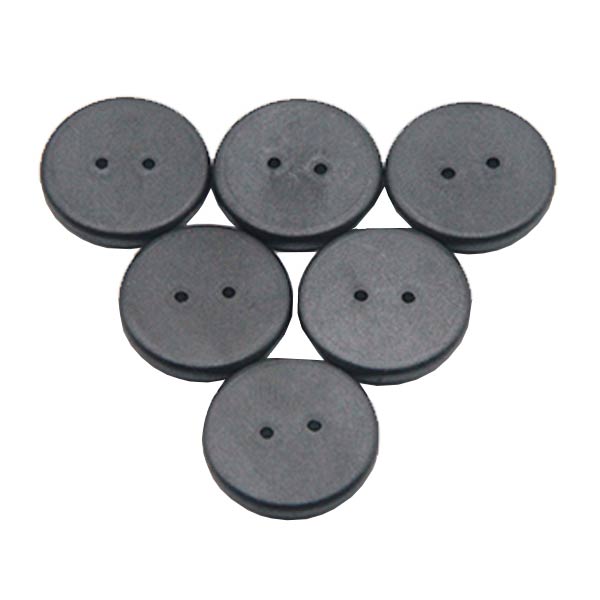
Choosing the correct RFID chip frequency is one of the most critical decisions in any RFID system design. Different RFID frequencies determine read range, data speed, material compatibility, regulatory compliance, and application suitability.
In this guide, we will explain LF, HF, and UHF RFID chip frequencies, compare their technical differences, and help you choose the right RFID chip for your specific use case.
What Are RFID Chip Frequencies?
RFID chip frequency refers to the radio frequency band used by an RFID system to communicate between the RFID chip (tag) and the RFID reader.
The three most widely used RFID frequency bands are:
- LF (Low Frequency) – around 125–134.2 kHz
- HF (High Frequency) – 13.56 MHz
- UHF (Ultra-High Frequency) – 860–960 MHz
Each frequency band follows different ISO / EPC standards and is optimized for different industries and environments.
LF RFID Chips (Low Frequency RFID)
LF RFID Frequency Range
- 125 kHz
- 134.2 kHz (ISO 11784 / 11785)
Key Characteristics of LF RFID Chips
- Very short read range (typically 2–10 cm)
- Low data transfer speed
- Excellent resistance to metal, liquids, and electromagnetic interference
- Stable performance in harsh environments
Common LF RFID Chip Applications
LF RFID chips are commonly used where reliability and environmental tolerance are more important than read distance.
Typical use cases include:
- Animal identification (livestock RFID chips, pet microchips)
- Access control cards
- Automotive immobilizers
- Industrial asset identification in high-interference environments
Advantages of LF RFID Chips
- Works well near water, blood, or tissue
- Not affected significantly by metal
- Simple antenna design
Limitations of LF RFID Chips
- Very limited read range
- Not suitable for bulk or long-distance reading
- Lower data storage capacity
Best for:
Animal RFID chips, injectable microchips, low-cost access control solutions
HF RFID Chips (13.56 MHz)
HF RFID Frequency Range
-
13.56 MHz (ISM band)
Relevant Standards
- ISO 14443 (NFC Type A/B – short range)
- ISO 15693 (Vicinity cards)
- ISO 18000-3
Key Characteristics of HF RFID Chips
- Read range: 5–30 cm (up to ~1 meter with optimized antennas)
- Moderate data transfer speed
- Stable performance near liquids
- Widely adopted and globally standardized
Common HF RFID Chip Applications
HF RFID chips are used extensively in consumer-facing and secure applications.
Typical applications include:
- NFC tags and smart cards
- Contactless payment cards
- RFID library systems
- Healthcare wristbands
- Ticketing and event access
Advantages of HF RFID Chips
- Global compatibility
- Supports encryption and secure authentication
- Ideal for smartphone NFC reading
Limitations of HF RFID Chips
- Shorter read range than UHF
- Performance degrades near large metal surfaces
- Not ideal for long-distance inventory tracking
Best for:
NFC applications, secure access control, RFID wristbands, payment and ticketing systems
UHF RFID Chips (Ultra-High Frequency RFID)
UHF RFID Frequency Range
- 860–960 MHz
- Europe: 865–868 MHz
- USA: 902–928 MHz
Relevant Standards
-
EPC Gen2 (ISO 18000-63)
Key Characteristics of UHF RFID Chips
- Long read range (3–12 meters, even longer with special antennas)
- High-speed data transmission
- Excellent performance for bulk reading
- Supports reading hundreds of tags simultaneously
Common UHF RFID Chip Applications
UHF RFID is the preferred choice for industrial-scale identification and tracking.
Typical applications include:
- Supply chain and logistics tracking
- Warehouse inventory management
- Retail apparel tagging
- Pallet and carton tracking
- Vehicle identification and toll systems
Advantages of UHF RFID Chips
- Long-distance reading
- Fast inventory scanning
- Ideal for automation and smart warehouses
Limitations of UHF RFID Chips
- Sensitive to metal and liquids (requires special tag design)
- Regional frequency regulations differ
- More complex system design
Best for:
RFID labels, logistics tracking, retail RFID, smart factories
LF vs HF vs UHF RFID: Frequency Comparison Table
| Feature | LF RFID | HF RFID | UHF RFID |
|---|---|---|---|
| Frequency | 125–134 kHz | 13.56 MHz | 860–960 MHz |
| Read Range | Up to 10 cm | Up to 30 cm | Up to 12 m |
| Data Speed | Low | Medium | High |
| Anti-collision | No | Limited | Excellent |
| Works Near Liquids | Excellent | Good | Poor (unless designed) |
| Works Near Metal | Excellent | Moderate | Poor (unless designed) |
| Typical Cost | Low | Medium | Low–Medium |
| Common Uses | Animal ID | NFC, payment | Logistics, retail |
How to Choose the Right RFID Chip Frequency
When selecting an RFID chip, consider the following factors:
- Read Distance Requirements
Short range → LF / HF
Long range → UHF - Environment
High moisture or metal → LF or HF
Open space logistics → UHF - Data Security Needs
Secure authentication → HF (NFC) - Tag Volume
High-volume scanning → UHF - Regulatory Compliance
UHF frequency varies by country
Future Trends in RFID Chip Frequencies
- Hybrid RFID + NFC chips
- Smaller, more energy-efficient RFID ICs
- Improved UHF performance near metal
- Integration with IoT and cloud platforms
- Increased adoption in healthcare and smart retail
Conclusion
Understanding RFID chip frequencies is essential for building an efficient and scalable RFID system.
- LF RFID chips excel in harsh environments and animal identification
- HF RFID chips dominate secure and NFC-based applications
- UHF RFID chips power modern logistics and large-scale inventory systems
Choosing the right frequency ensures optimal performance, compliance, and return on investment.