Silicone wristbands are widely used for events, access control, cashless payments, brand promotion, and RFID applications. Although they appear simple, the manufacturing process of a silicone wristband involves material science, precision molding, surface finishing, and quality control.
This article explains how silicone wristbands are made step by step, from raw silicone material to finished custom wristbands.
What Is a Silicone Wristband Made Of?
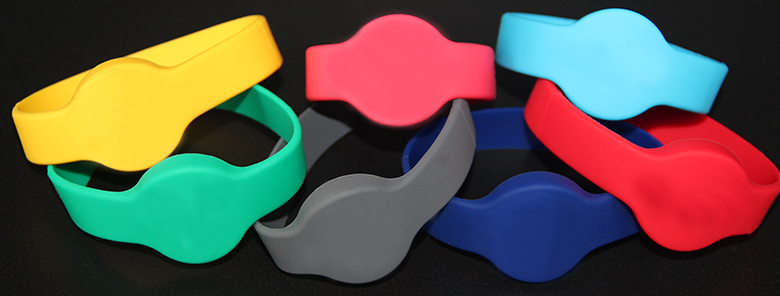
A silicone wristband is primarily made from 100% eco-friendly silicone rubber, also known as silica gel.
Key Material Properties
- Non-toxic and skin-safe
- Waterproof and sweat-resistant
- Heat and cold resistant (–40°C to 230°C)
- Flexible yet durable
- Suitable for long-term outdoor and indoor use
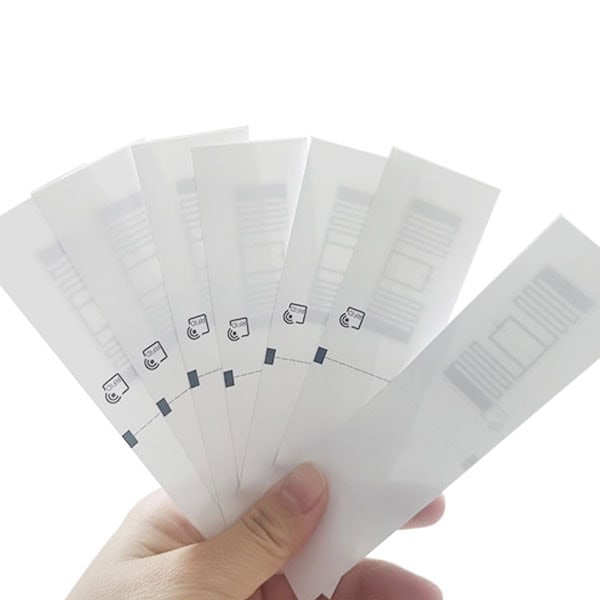
For RFID silicone wristbands, an RFID or NFC chip and antenna are embedded inside the silicone during molding.
Step-by-Step Silicone Wristband Manufacturing Process
Step 1: Raw Silicone Material Preparation
The process starts with solid silicone rubber compound, mixed with:
- Color pigments
- Curing agents
- Additives for flexibility or strength
The material is blended evenly to ensure consistent color and elasticity.
Step 2: Mold Design and Tooling
Custom aluminum or steel molds are created based on:
- Wristband size (adult, child, adjustable)
- Width and thickness
- Logo depth (debossed or embossed)
- RFID chip cavity (for smart wristbands)
Precision mold design directly affects comfort, durability, and logo clarity.
Step 3: Compression or Injection Molding
There are two common molding methods:
Compression Molding (Most Common)
- Silicone material is placed into heated molds
- High pressure forms the wristband shape
- Suitable for bulk production
Injection Molding (High Precision)
- Liquid silicone is injected into closed molds
- Higher accuracy and consistency
- Ideal for RFID silicone wristbands
Step 4: RFID Chip and Antenna Embedding (Optional)
For RFID or NFC silicone wristbands, the chip and antenna are:
- Pre-assembled into an inlay
- Positioned accurately inside the mold
- Fully sealed by silicone during molding
This ensures:
- Waterproof performance
- Shock resistance
- Long chip lifespan
Step 5: De-molding and Trimming
After curing:
- Wristbands are removed from the mold
- Excess silicone (flash) is trimmed
- Edges are smoothed for skin comfort
Quality inspection begins at this stage.
Step 6: Logo Customization and Color Filling
Common logo styles include:
- Debossed wristbands (logo recessed)
- Embossed wristbands (logo raised)
- Printed wristbands
- Laser-engraved wristbands
For debossed or embossed logos, ink color filling is often applied to enhance visibility.
Step 7: Surface Treatment and Testing
Optional surface treatments:
- Matte finish
- Glossy finish
- Anti-static or anti-slip coating
Each batch undergoes:
- Stretch testing
- Waterproof testing
- Color fastness testing
- RFID reading test (if applicable)
Step 8: Packaging and Shipping
Final products are:
- Individually packed or bulk packed
- Labeled with SKU or serial numbers
- Prepared for export compliance
Types of Silicone Wristbands You Can Manufacture
| Type | Description | Common Use |
|---|---|---|
| Plain Silicone Wristband | No logo | Charity, awareness |
| Custom Logo Wristband | Debossed or printed | Branding |
| RFID Silicone Wristband | Embedded chip | Access control |
| NFC Wristband | Phone-readable | Events, payments |
| Adjustable Silicone Wristband | Buckle or clasp | Theme parks |
How Long Does It Take to Make Silicone Wristbands?
Typical production timeline:
- Mold setup: 1–3 days
- Sample approval: 2–3 days
- Mass production: 5–10 days
- Shipping: 3–7 days
Total lead time: 10–20 days, depending on order volume and customization.
Why Choose Silicone Wristbands for RFID Applications?
Silicone wristbands are ideal for RFID because they are:
- Waterproof and washable
- Comfortable for long-term wear
- Durable in harsh environments
- Securely sealed to protect RFID chips
Conclusion
Understanding how silicone wristbands are made helps buyers choose the right materials, customization options, and RFID technology.
From raw silicone mixing to RFID embedding and quality testing, each step ensures durability, comfort, and reliable performance—especially for RFID and NFC wristband applications.