


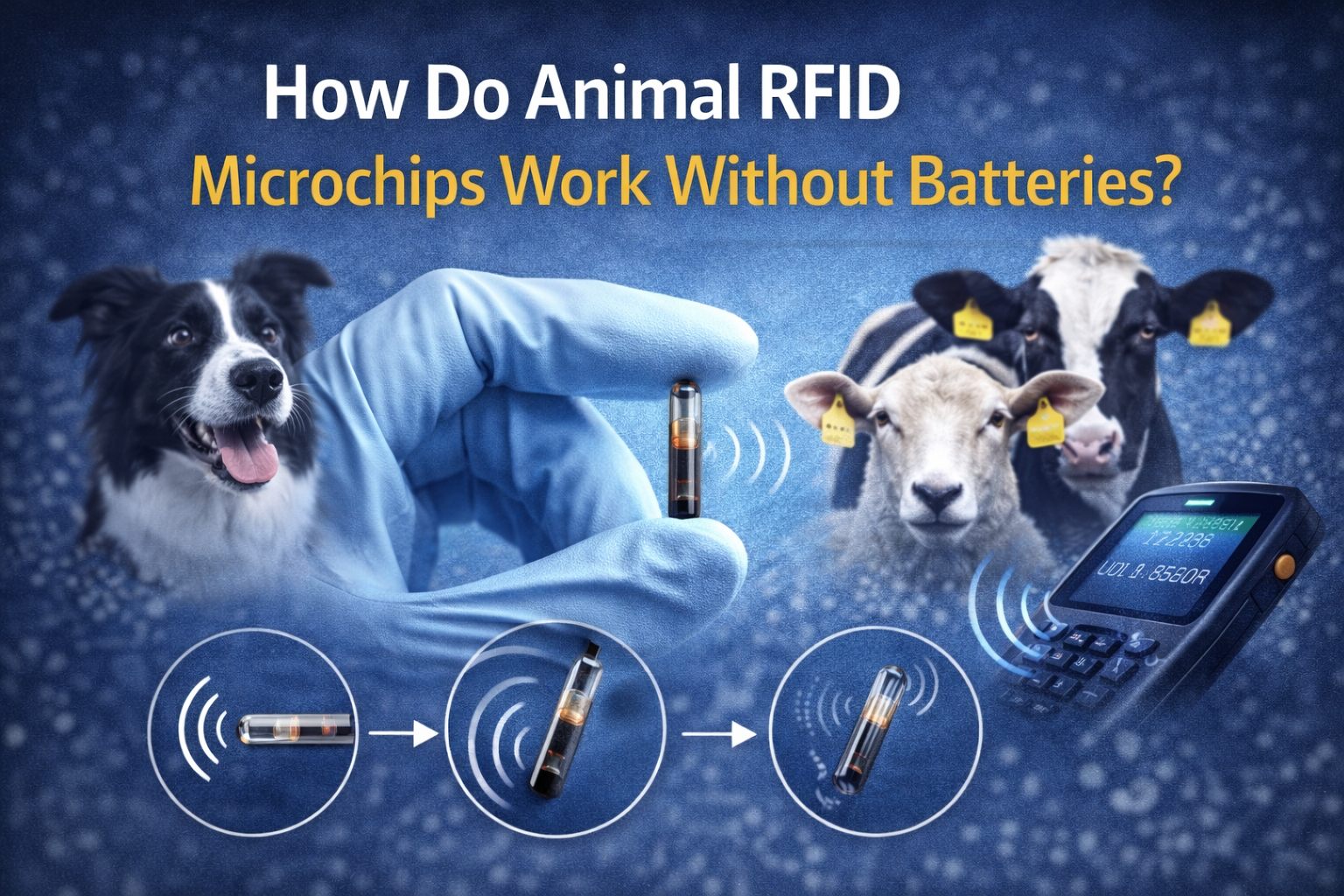
Animal RFID microchips are used worldwide to identify pets, livestock, and wildlife. One of the most common questions from veterinarians, farmers, and regulators is straightforward but important:
How can an animal RFID microchip work reliably for years without a battery?
The answer lies in passive RFID physics, standardized frequencies, and extremely efficient chip design. This article explains how animal RFID microchips operate, step by step, and why battery-free identification is not only possible, but ideal for animal applications.
What Is an Animal RFID Microchip?
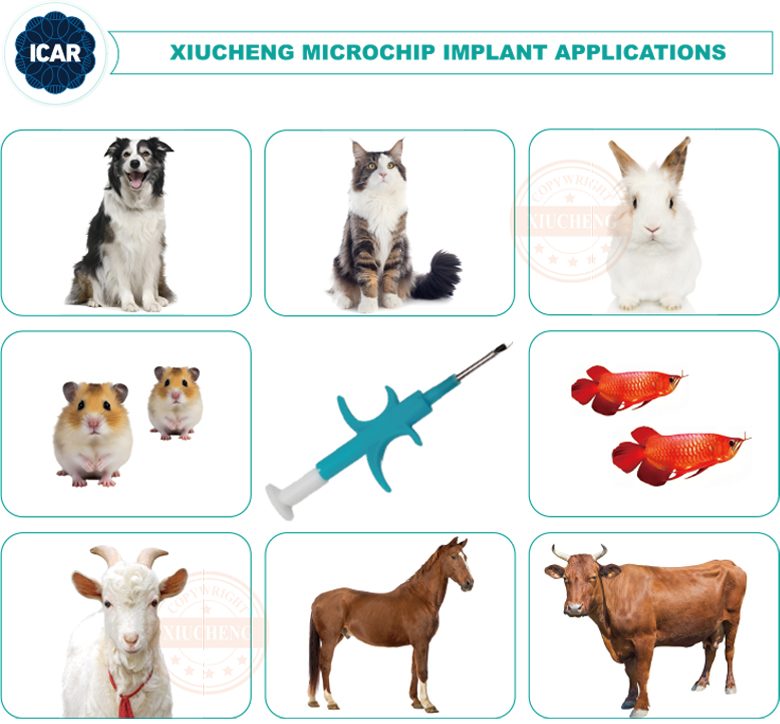
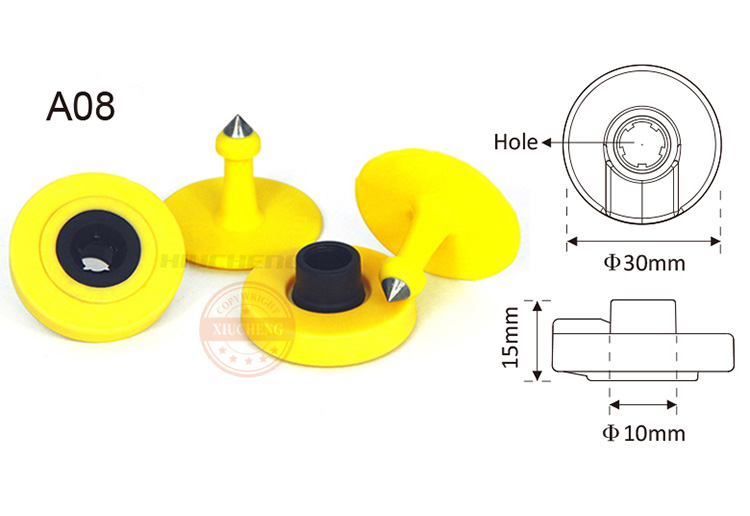
An animal RFID microchip is a passive transponder—a tiny electronic device typically about the size of a grain of rice. It is either:
- Injected under the skin (pets, wildlife), or
- Embedded in ear tags or boluses (livestock)
Most animal identification systems follow ISO 11784 / ISO 11785, using FDX-B or HDX technology at 134.2 kHz (LF).
These chips contain:
- A silicon integrated circuit (IC)
- A copper coil antenna
- A protective biocompatible glass or polymer capsule
Importantly, they contain no battery.
The Core Principle: Passive RFID Energy Harvesting
Animal RFID microchips work by harvesting energy from the reader.
When an RFID reader (scanner) is brought near the animal, it generates a low-frequency electromagnetic field. The microchip’s antenna coil intercepts this field and converts it into electrical energy through inductive coupling.
This harvested energy is sufficient to:
- Power up the chip
- Activate the internal logic
- Transmit the stored identification number back to the reader
Once the reader is removed, the chip becomes completely inactive again.
No stored power. No maintenance. No degradation from battery aging.
Step-by-Step: How a Battery-Free Animal RFID Chip Is Read
1. Reader Emits an Electromagnetic Field
The RFID reader generates a 134.2 kHz magnetic field around its antenna.
2. Chip Antenna Captures Energy
The microchip’s copper coil antenna acts like a transformer secondary, inducing a small current.
3. Chip Powers On
This induced current briefly powers the integrated circuit inside the microchip.
4. ID Data Is Transmitted
The chip sends its unique ID back to the reader using:
- FDX-B (Full Duplex) – continuous response
- HDX (Half Duplex) – response after the reader pauses transmission
FDX-B vs. HDX: Which Animal RFID Tags Should You Choose?
5. Reader Decodes the Signal
The reader converts the signal into a digital ID displayed on screen or sent to backend software.
The entire process takes milliseconds.
Why Batteries Are Not Used in Animal RFID Microchips
Battery-free design is not a limitation—it is intentional.
1. Safety
A battery inside an implanted device introduces:
- Leakage risk
- Heat generation
- Chemical exposure
Passive RFID eliminates all of these risks.
2. Longevity
Passive animal RFID microchips typically last:
- 10–25+ years
- Often longer than the animal’s lifespan
There is no battery to fail.
3. Size
Without a battery, the chip can remain extremely small, making implantation safe and minimally invasive.
4. Regulatory Compliance
Most animal identification regulations require passive, non-powered transponders for consistency and safety.
Why Low Frequency (LF) Is Used for Animal Microchips
Animal RFID microchips almost exclusively use LF (134.2 kHz) instead of HF or UHF.
LF is preferred because it:
- Penetrates tissue, fat, and fluids reliably
- Is less affected by animal orientation
- Works close to metal and moisture
- Provides stable short-range reads
This makes LF ideal for:
- Subcutaneous implants
- Ear tags exposed to harsh environments
- Veterinary and farm use
What Data Is Stored on a Battery-Free Animal RFID Chip?
Despite having no battery, the chip permanently stores data in non-volatile memory.
Typically stored:
- Unique identification number (UID)
- Country or manufacturer code (ISO 11784)
- No personal or medical data
The chip does not track location, record behavior, or transmit continuously. It only responds when powered by a reader.
Read Range Expectations (Without a Battery)
Because passive chips rely entirely on reader power, read range is intentionally limited.
Typical ranges:
- Implanted pet microchips: 2–10 cm
- Livestock ear tags: 5–30 cm (depending on reader and antenna)
- HDX tags often offer slightly longer range than FDX-B
Short read range is a feature, not a flaw—it reduces misreads and improves control.
Are Battery-Free Animal RFID Microchips Reliable?
Yes. In fact, passive RFID is considered more reliable than battery-powered alternatives for animal identification.
Key reliability factors:
- No power degradation
- Resistant to vibration and movement
- Encapsulated for moisture and chemical resistance
- Proven use in billions of animals worldwide
Failures are usually caused by:
- Poor implantation technique
- Physical damage
- Reader incompatibility (non-ISO readers)
Final Thoughts
Animal RFID microchips work without batteries because they don’t need stored power. By harvesting energy from an RFID reader’s electromagnetic field, these passive transponders deliver reliable, long-term identification with minimal risk and maintenance.
This battery-free design is the reason RFID microchips have become the global standard for animal identification—across pets, livestock, and wildlife management.
For organizations sourcing animal RFID microchips or building identification systems, understanding this principle is essential to selecting the right tags, readers, and standards.


