Feeding multiple cats under one roof can quickly become a daily challenge. Different diets, portion control, medical needs, and dominant behavior often turn mealtime into a source of stress for both pets and owners.
This is where RFID cat feeders offer a practical and proven solution.
This article explains how RFID-enabled cat feeders work, and why they are increasingly popular in multi-cat households.
The Feeding Problem in Multi-Cat Homes
In homes with more than one cat, common feeding issues include:
- One cat eating another’s food
- Difficulty managing prescription or special diets
- Overeating by dominant or food-motivated cats
- Underfeeding timid or senior cats
- Inaccurate portion control
Traditional bowls or timed feeders simply cannot distinguish between individual pets.
What Is an RFID Cat Feeder?
An RFID cat feeder is a smart feeding system that uses Radio Frequency Identification (RFID) technology to identify individual cats before granting access to food.
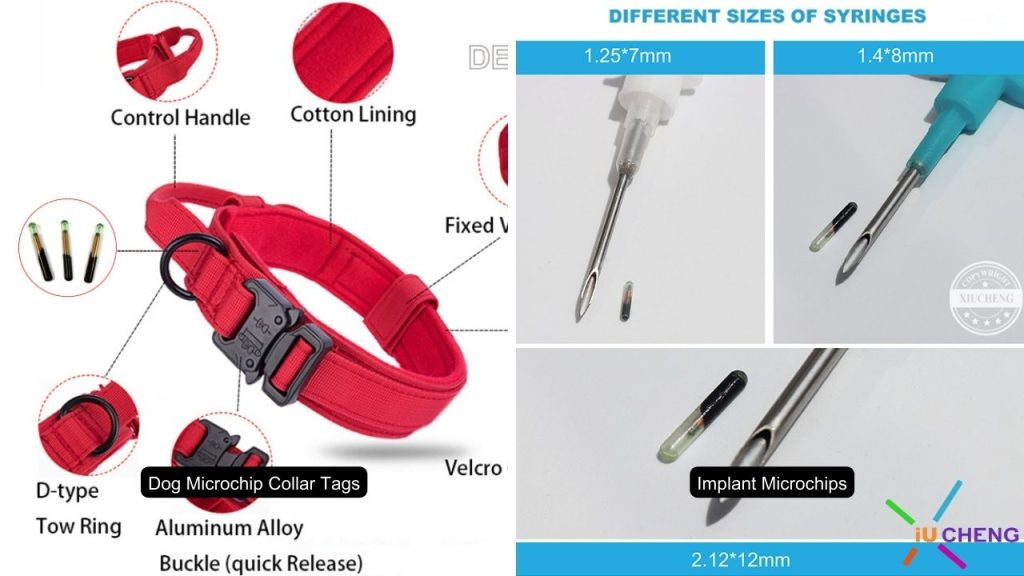
Each cat wears:
- An RFID collar tag, or
- An implanted microchip (commonly used for pet identification)
The feeder only opens or activates when it detects an authorized RFID ID.
How RFID Cat Feeders Work
The system operates in a simple but effective way:
- The feeder continuously scans for nearby RFID tags
- When a cat approaches, the reader detects its unique ID
- The feeder checks whether the ID is authorized
- If approved, the lid opens or food access is granted
- If not, the feeder remains closed
This process happens in milliseconds and requires no training for most cats.
How RFID Cat Feeders Enable Individual Feeding
1. Cat-Specific Access Control
Each feeder can be programmed to recognize one or more specific cats.
This prevents food theft and ensures every cat eats only its assigned meals.
2. Accurate Portion Control
Owners can set:
- Individual portion sizes
- Feeding schedules
- Daily intake limits
This is especially important for:
- Weight management
- Indoor cats
- Cats prone to obesity
3. Support for Special Diets
RFID cat feeders are ideal for cats that require:
- Prescription food
- Allergy-specific diets
- Age-based nutrition
No more separating cats into different rooms during feeding time.
4. Reduced Stress and Competition
By eliminating food competition:
- Shy cats eat peacefully
- Dominant cats lose the opportunity to overeat
- Overall household tension decreases
Many owners report improved behavior and calmer mealtimes.
RFID Collar Tags vs Implanted Microchips
Most RFID cat feeders support both options:
| Identification Method | Pros | Cons |
|---|---|---|
| RFID Collar Tag | Easy to install, removable | Collar loss possible |
| Implanted Microchip | Permanent, no collar needed | Requires vet implantation |
Both methods rely on the same RFID principle and provide reliable identification.
Are RFID Cat Feeders Safe?
Yes. RFID cat feeders use:
- Low-frequency RFID (typically 125 kHz or 134.2 kHz)
- Passive tags with no batteries
- Extremely low electromagnetic power
The technology is widely used in veterinary identification and is considered safe for pets.
Who Should Use an RFID Cat Feeder?
RFID cat feeders are particularly useful for:
- Multi-cat households
- Cats on prescription diets
- Weight management programs
- Households with cats and dogs
- Owners who want automated feeding control
They are not just a convenience product, but a long-term feeding management solution.
Final Thoughts
RFID cat feeders solve a problem that traditional feeding methods cannot: individual identification at the bowl.
By combining RFID technology with smart feeder design, pet owners gain precise control over nutrition, reduce feeding-related stress, and improve overall pet health.
For multi-cat homes, RFID cat feeders are no longer a luxury—they are a practical upgrade.