


An implantable syringe for livestock is a specialized medical-grade device used to inject RFID animal microchips beneath the skin of animals for permanent identification. It plays a critical role in animal traceability, disease control, breeding management, and regulatory compliance across the global livestock industry.
With the widespread adoption of ISO 11784/11785 compliant RFID microchips in cattle, sheep, goats, pigs, horses, and companion animals, implantable syringes have become an essential tool for veterinarians, farms, breeding facilities, and government animal identification programs.
What Is an Implantable Syringe for Livestock?
An implantable syringe is a single-use or reusable injection device designed to safely insert a glass-encapsulated RFID microchip into an animal’s subcutaneous tissue.
Core Function
- Delivers an RFID transponder with minimal tissue trauma
- Ensures accurate placement (usually behind the ear or in the neck)
- Maintains chip sterility before implantation
- Prevents chip breakage during injection
Unlike conventional medical syringes, implantable syringes are engineered specifically for biocompatible microchips, not liquid medication.
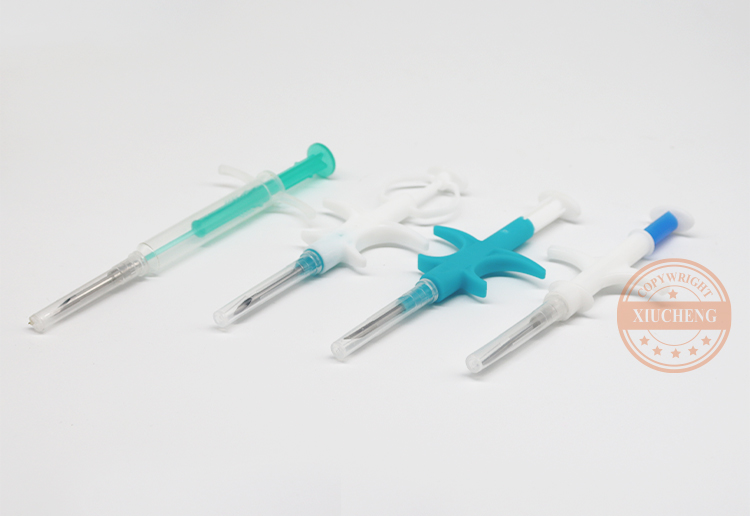
Why Implantable Syringes Are Essential for Livestock RFID Systems
1. Permanent Animal Identification
Implantable RFID microchips:
- Cannot be removed or tampered with easily
- Provide lifetime identification
- Support national livestock traceability programs
The syringe ensures correct depth and angle, preventing migration or rejection.
2. Compliance With International Standards
Most livestock RFID programs require:
- ISO 11784 (FDX-B data structure)
- ISO 11785 (air interface protocol)
Professional implantable syringes are designed to work with:
- FDX-B microchips (134.2 kHz)
- Glass-encapsulated transponders
- Anti-migration coatings (parylene or biopolymer)
Incorrect injection tools can invalidate compliance.
3. Animal Welfare and Biosecurity
A high-quality implantable syringe:
- Minimizes injection pain
- Reduces tissue damage
- Prevents infection
- Supports animal welfare regulations (OIE / WOAH guidelines)
For large-scale farms, animal welfare compliance is increasingly audited.
Key Components of an Implantable Syringe
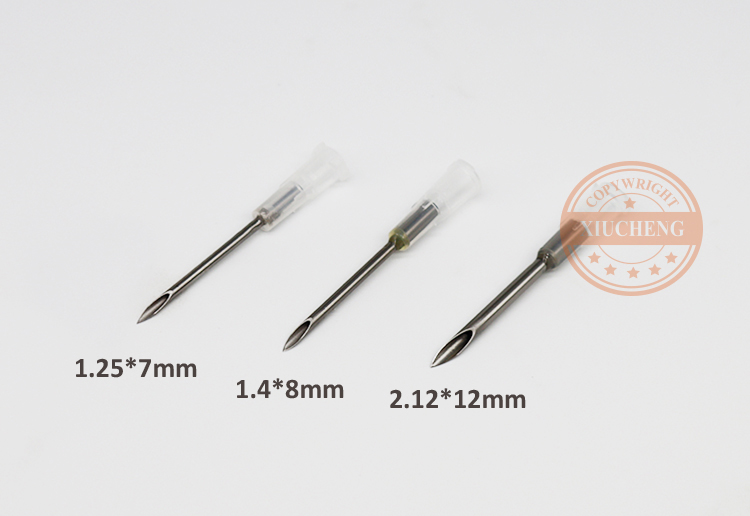
Needle
- Typically 12-gauge or 14-gauge
- Medical-grade stainless steel
- Sharp beveled tip for smooth penetration
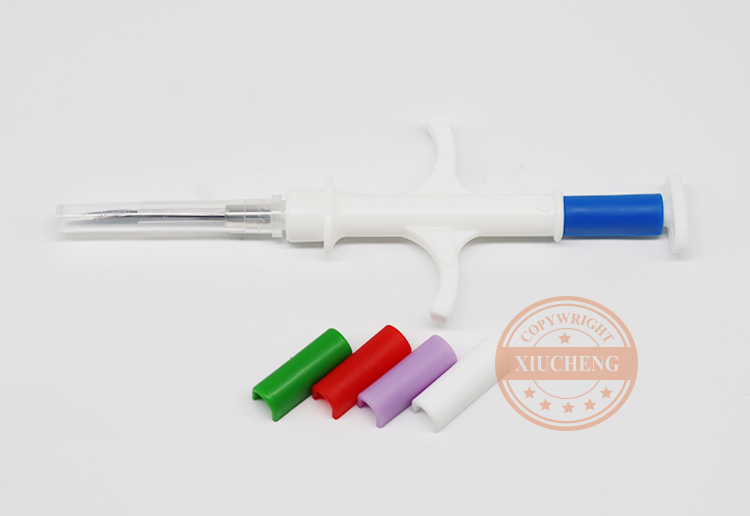
Syringe Body
- Ergonomic grip
- One-hand operation
- Anti-slip surface for farm conditions
Plunger System
- Controlled chip release
- Prevents double injection
- Ensures accurate microchip positioning
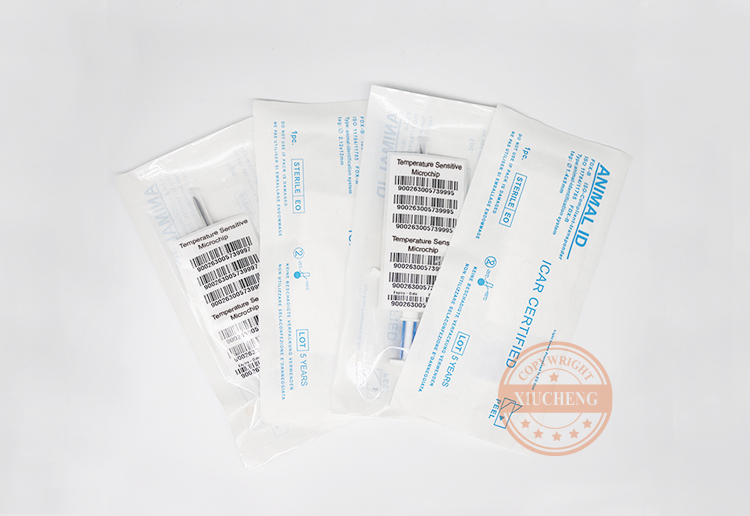
Sterile Packaging
- EO sterilized
- Individually packed (for disposable models)
Disposable vs Reusable Implantable Syringes
| Feature | Disposable Syringe | Reusable Syringe |
|---|---|---|
| Sterility | Pre-sterilized | Requires sterilization |
| Cost per unit | Higher | Lower long-term |
| Biosecurity | Excellent | Depends on handling |
| Usage scenario | Mass programs | Veterinary clinics |
| Compliance risk | Very low | Medium if mishandled |
For government ID programs and export-certified farms, disposable implantable syringes are strongly preferred.
Typical Implantation Sites for Livestock
Different livestock species require specific implantation locations:
- Cattle: Behind the left ear, subcutaneous
- Sheep & Goats: Neck region or behind ear
- Pigs: Behind ear base
- Horses: Nuchal ligament (veterinary only)
- Companion animals: Dorsal neck area
Professional syringes ensure consistent depth, reducing migration risk.
How Implantable Syringes Support Livestock Traceability
Implantable syringes are a critical component of end-to-end RFID systems:
- Microchip manufacturing
- Sterile syringe assembly
- On-farm implantation
- RFID reader scanning
- Database registration
- Traceability and reporting
Without proper implantation tools, even the best RFID chips fail in real-world conditions.
Regulatory Requirements and Global Adoption
Regions Using Implantable RFID for Livestock
- European Union (mandatory electronic identification for sheep/goats)
- Australia & New Zealand (NLIS)
- China (breeding & disease control programs)
- South America (export traceability)
- Middle East & Africa (animal health initiatives)
Many regulations specify:
- Approved implantation methods
- Veterinary-grade syringes
- Recordable chip ID confirmation post-implantation
Choosing the Right Implantable Syringe Supplier
When sourcing implantable syringes for livestock, evaluate suppliers based on:
Manufacturing Expertise
- RFID industry specialization
- Cleanroom assembly
- Medical device quality control
Certifications
- ISO 9001 / ISO 13485
- CE (where applicable)
- Animal health compliance
Compatibility
- Works with FDX-B microchips
- Supports multiple chip sizes (1.25×7 mm, 2.12×12 mm)
Traceability Support
- Batch numbers
- Sterilization records
- Export documentation
Common Mistakes to Avoid
- Using non-RFID medical syringes
- Reusing disposable syringes
- Incorrect implantation depth
- Failing to scan chip after injection
- Poor operator training
These mistakes often lead to chip loss, migration, or unreadable IDs.
Future Trends: Implantable Syringes + Smart Livestock Systems
Emerging developments include:
- Pre-loaded syringe + chip kits
- Anti-migration polymer coatings
- Integrated QR + RFID identification
- Digital livestock passports
- AI-powered animal health analytics
As livestock digitization accelerates, implantation quality becomes even more critical.
Frequently Asked Questions (FAQ)
Q1: Are implantable syringes safe for animals?
Yes, when used correctly with ISO-compliant microchips and proper hygiene.
Q2: Can one syringe be used for multiple animals?
Disposable syringes should never be reused. Reusable syringes must be sterilized.
Q3: Do implantable microchips replace ear tags?
In many programs, they complement ear tags, providing tamper-resistant backup ID.
Conclusion
An implantable syringe for livestock is not a simple injection tool—it is a core infrastructure component of modern animal identification and traceability systems.
For farms, veterinarians, exporters, and government agencies, choosing the right syringe directly impacts:
- Animal welfare
- Regulatory compliance
- Data accuracy
- Long-term traceability success
As RFID adoption continues to expand globally, professional implantable syringes will remain essential for reliable livestock management.


