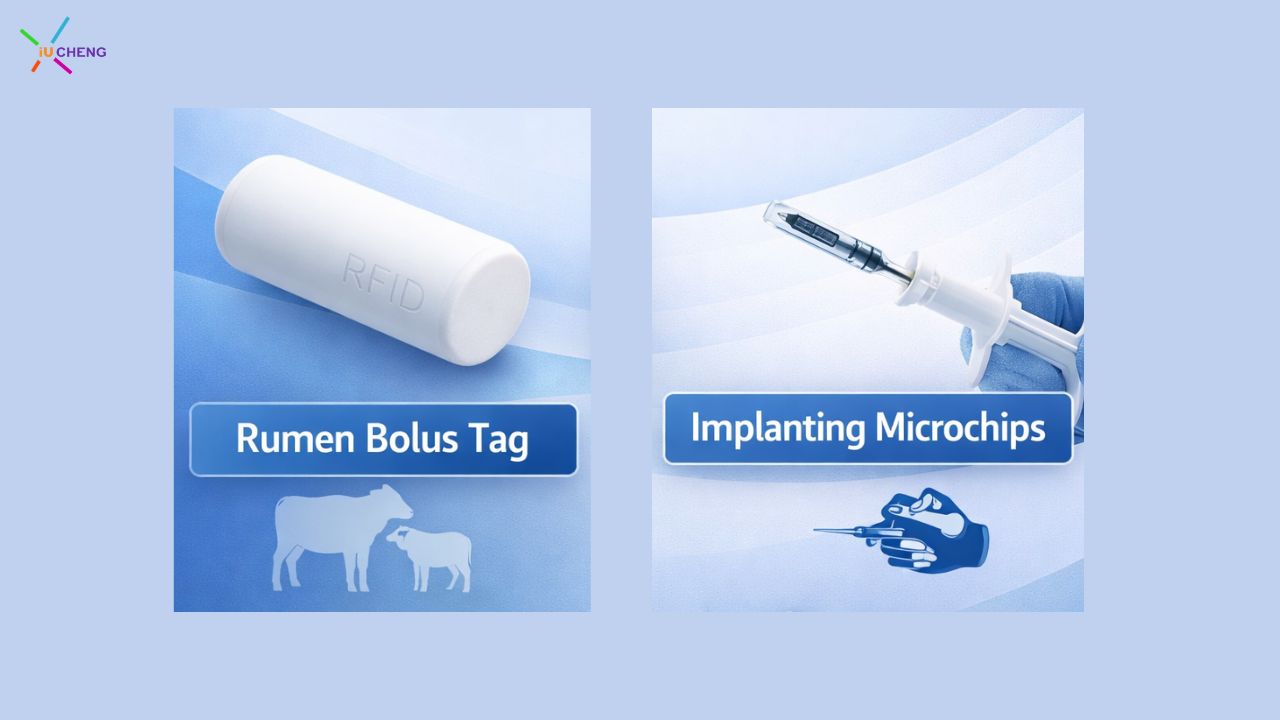
Livestock identification is essential for traceability, disease control, breeding management, and regulatory compliance. Modern farms increasingly rely on electronic identification technologies such as RFID rumen bolus tags and implantable microchips.
Both technologies provide permanent identification for animals like cattle and sheep, but they differ significantly in implant location, reliability, reading methods, and practical use on farms.
This article compares rumen bolus tags vs implanting microchips, helping livestock producers and agricultural organizations choose the most suitable identification method.
What Is a Rumen Bolus Tag?
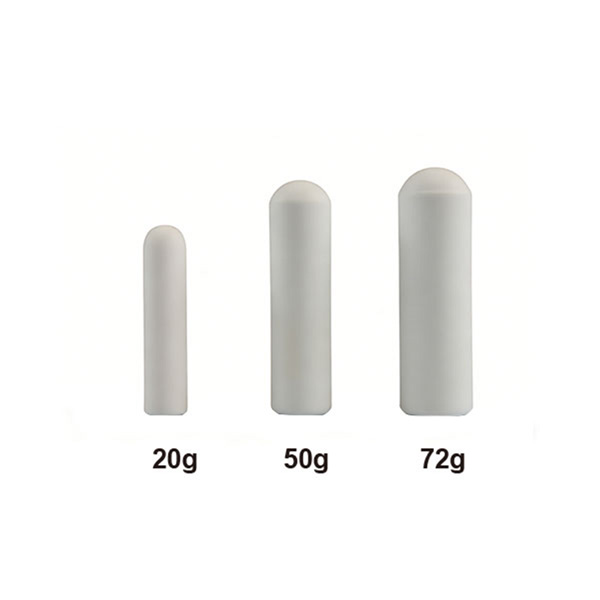
A rumen bolus tag is an RFID device designed specifically for ruminant animals, including cattle, sheep, and goats. The bolus is administered orally using a specialized applicator and settles permanently in the animal’s rumen, the largest stomach compartment.
The bolus is typically encapsulated in biocompatible ceramic, making it durable and resistant to digestive acids.
Key Characteristics
- RFID technology (usually LF 134.2 kHz)
- Encased in heavy ceramic housing
- Administered orally with a bolus applicator
- Permanently remains in the rumen
- Compatible with livestock RFID readers
Advantages
1. Impossible to remove or tamper with
Once swallowed, the bolus stays inside the rumen for the animal’s lifetime. This makes it highly resistant to theft or identity fraud.
2. Long lifespan
Rumen bolus tags typically last 10–20 years, which covers the entire life of cattle or sheep.
3. Excellent traceability
Because the bolus cannot be lost like ear tags, it provides reliable identification for national livestock traceability systems.
4. Suitable for harsh environments
Ceramic encapsulation protects the chip from:
- moisture
- digestive acids
- physical damage
Common Applications
- National livestock traceability programs
- cattle and sheep identification
- breeding management
- disease control and quarantine
- livestock export tracking
What Are Implantable Microchips for Livestock?
Implantable microchips are small RFID transponders inserted under the animal’s skin, typically using a sterile injection syringe.
These microchips are commonly used in pets such as dogs and cats, but they can also be used for livestock identification.
The microchip is usually implanted in areas such as:
- the ear base
- the neck
- the shoulder region
Key Characteristics
- Small glass-encapsulated RFID chip
- Injected under the skin
- Passive RFID technology
- Read using handheld scanners
Advantages
1. Small and minimally invasive
Microchips are very small, usually about the size of a grain of rice.
2. Quick implantation
The chip can be implanted within seconds using a preloaded syringe.
3. Widely used in pet identification
The technology is already standardized in the global pet industry.
Limitations
While implantable chips work well for pets, they present several challenges in livestock environments.
Rumen Bolus Tag vs Implanting Microchips: Key Differences
| Feature | Rumen Bolus Tag | Implantable Microchip |
|---|---|---|
| Implant location | Inside the rumen (stomach) | Under the skin |
| Typical animals | Cattle, sheep, goats | Pets, some livestock |
| Tamper resistance | Very high | Moderate |
| Risk of loss | Almost zero | Possible migration |
| Read reliability | Very consistent | Depends on implant position |
| Installation | Oral applicator | Injection syringe |
| Durability | Extremely durable | Glass capsule protection |
| Regulatory acceptance | Widely used in livestock programs | Less common for large-scale livestock |
Tamper Resistance and Security
For livestock traceability, tamper resistance is critical.
Rumen Bolus Tags
Because the bolus sits inside the rumen, it cannot be removed without slaughtering the animal. This makes identity fraud extremely difficult.
This is why bolus tags are widely used in government livestock identification systems.
Implantable Microchips
Subcutaneous microchips can sometimes:
- migrate under the skin
- be difficult to locate with scanners
- potentially be surgically removed
Although removal is uncommon, the possibility makes them less secure than rumen boluses.
Reliability in Large Herd Management
Large cattle and sheep operations require identification systems that work reliably during:
- herd counting
- veterinary inspection
- transportation
- slaughterhouse processing
Rumen Bolus Tags
Bolus tags provide consistent RFID reading when animals pass through readers or when scanned individually.
Because the bolus position inside the rumen is stable, the signal location remains predictable.
Implantable Microchips
Microchips may shift slightly within the tissue, which can make scanning more difficult, especially in large animals with thick skin.
For large-scale livestock management, this can reduce operational efficiency.
Animal Welfare Considerations
Both identification methods are generally safe when applied correctly.
Rumen Bolus Tags
- Administered using a bolus applicator
- No surgical procedure required
- Minimal stress for the animal
Once swallowed, the bolus remains inside the digestive system without affecting normal digestion.
Implantable Microchips
- Implanted with a sterile needle
- Slightly invasive procedure
- Similar to routine vaccinations
For trained veterinarians, the procedure is quick and safe.
Cost Comparison
Cost can vary depending on chip type and volume.
Rumen Bolus Tags
Generally include:
- RFID chip
- ceramic housing
- applicator tool
Although the initial cost may be higher than ear tags, boluses offer lifetime identification.
Implantable Microchips
Microchips themselves are inexpensive, but the system may require:
- sterile injectors
- trained personnel
In livestock operations with thousands of animals, implantation labor can increase costs.
When Should Farmers Choose Rumen Bolus Tags?
Rumen bolus tags are ideal for:
- cattle and sheep identification
- national traceability programs
- anti-theft livestock systems
- long-term breeding management
- export certification systems
They are particularly useful in regions where livestock movement must be strictly monitored.
When Are Implantable Microchips Suitable?
Implantable microchips may be used when:
- animals require individual veterinary identification
- herds are relatively small
- regulatory systems allow subcutaneous identification
- identification is combined with pet-style microchip databases
However, they are less common in large-scale commercial livestock management.
Why Many Countries Prefer Rumen Bolus Identification
Many livestock traceability programs worldwide choose rumen bolus tags because they provide:
- permanent identification
- high tamper resistance
- excellent durability
- consistent scanning
For cattle and sheep industries where traceability is critical for food safety and disease control, these advantages are significant.
Custom RFID Livestock Identification Solutions
Manufactured by XIUCHENG RFID
XIUCHENG RFID manufactures high-quality RFID identification solutions for cattle, sheep, and goats. Our technologies support modern livestock traceability, breeding management, and farm automation.
- Durable biocompatible ceramic encapsulation
- Reliable 134.2 kHz LF RFID chips
- Lifetime identification for livestock
- Compatible with standard livestock RFID readers
- Custom UID encoding and bulk manufacturing
RFID Rumen Bolus Tags
Permanent electronic identification tags designed for cattle, sheep, and goats. Installed orally and securely retained inside the rumen for lifetime traceability.
View Bolus TagsImplantable Animal Microchips
Bioglass RFID microchips delivered via sterile syringe, suitable for livestock and animal identification systems.
View Microchips