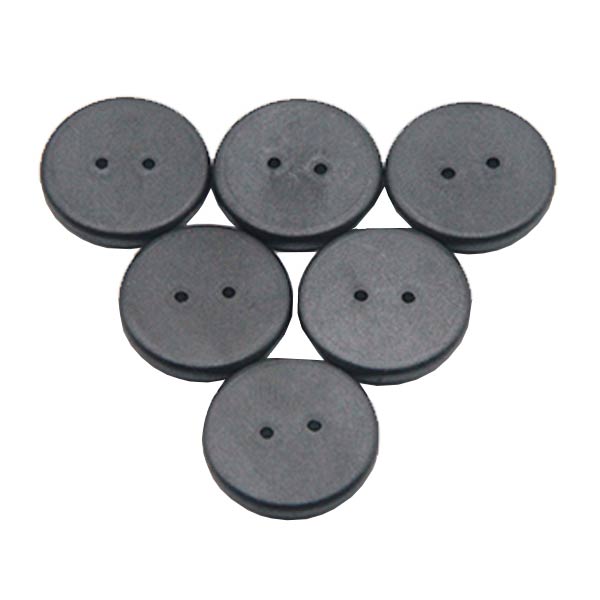
RFID cards have become an essential part of modern digital infrastructure. From opening office doors and accessing hotel rooms to enabling contactless payments and tracking assets, RFID cards quietly power countless everyday interactions. While many people use them daily, few understand the technology behind them.
RFID cards rely on radio frequency identification technology, a wireless communication method that allows data to be transmitted between a card and a reader without physical contact. This simple yet powerful system enables fast authentication, secure identification, and automated data collection across many industries.
Today, RFID cards are widely used in access control systems, public transportation, membership management, supply chain tracking, healthcare identification, and financial payments. Their durability, convenience, and scalability make them a preferred identification solution for businesses, governments, and institutions worldwide.
This guide explains everything you need to know about RFID cards, including how they work, the different types available, common applications, and how to choose the right RFID card for your project.
What Is an RFID Card?

An RFID card is a contactless smart card that uses radio waves to transmit data between a card and a reader device. The card contains a tiny electronic circuit that stores information and communicates with RFID readers when it enters their electromagnetic field.
Unlike traditional magnetic stripe cards or barcode systems, RFID cards do not require physical contact or direct line-of-sight scanning. Instead, they operate through radio frequency communication, allowing fast and convenient identification.
A typical RFID card contains three main components:
RFID Chip (Integrated Circuit)
The microchip stores data such as a unique identifier (UID), encrypted credentials, or application information. The chip processes signals received from the reader and transmits responses.
Antenna
A thin conductive antenna surrounds the chip and enables communication with RFID readers by capturing radio frequency energy.
Card Body (Substrate)
The chip and antenna are embedded inside the card material, usually PVC or PET, which protects the electronics and provides a printable surface for branding or identification details.
When the card comes within range of an RFID reader, the reader sends out radio signals that activate the chip. The chip then transmits stored data back to the reader for processing.
Because RFID cards do not rely on batteries in most cases, they can function reliably for many years with minimal maintenance.
How Do RFID Cards Work?
RFID cards operate using electromagnetic coupling between the reader and the card’s antenna. This process allows the card to receive power and transmit information without a physical connection.
The communication process typically occurs in four steps.
1. The RFID Reader Generates a Radio Signal
An RFID reader continuously emits radio frequency signals through its antenna. These signals create an electromagnetic field in the surrounding area.
When an RFID card enters this field, it becomes energized by the radio waves.
2. The Card Antenna Harvests Energy
Most RFID cards are passive devices, meaning they do not contain batteries. Instead, they draw energy from the reader’s electromagnetic field through their antenna.
This harvested energy powers the card’s microchip temporarily.
3. The RFID Chip Activates and Sends Data
Once powered, the microchip transmits stored data back to the reader. This data may include:
• a unique card identification number
• encrypted security credentials
• access permissions
• stored application data
The communication occurs within milliseconds.
4. The Reader Processes the Information
After receiving the data, the RFID reader sends the information to a backend system or controller. The system then performs a predefined action, such as:
• unlocking a door
• verifying a ticket
• registering employee attendance
• processing a payment transaction
This automated communication makes RFID technology extremely efficient for identification and authentication tasks.
Types of RFID Cards by Frequency
RFID cards are generally classified based on their operating frequency. Different frequencies provide different reading ranges, data transfer speeds, and environmental performance.
Understanding these frequency categories is essential when selecting the right RFID card for a specific application.
Low Frequency RFID Cards (LF – 125 kHz)
Low frequency RFID cards operate at approximately 125 kilohertz and are one of the earliest RFID technologies.
They are commonly used for basic identification systems where security requirements are moderate.
Typical applications include:
• employee attendance tracking
• residential access control
• parking management systems
• animal identification systems
LF cards have relatively short reading distances, usually between 2 and 10 centimeters, but they perform reliably in environments where water or metal might interfere with other frequencies.
Common LF chip models include EM4200, TK4100, and T5577.
High Frequency RFID Cards (HF – 13.56 MHz)
High frequency RFID cards operate at 13.56 MHz and are the most widely used RFID cards globally.
This frequency supports standardized communication protocols that enable compatibility across many devices and industries.
HF RFID cards are widely used in:
• transportation ticketing systems
• contactless payment cards
• student identification cards
• library management systems
• corporate access control
Many HF RFID cards follow international standards such as:
ISO 14443 for proximity cards
ISO 15693 for vicinity cards
Popular chip types include MIFARE Classic, MIFARE Ultralight, and MIFARE DESFire.
HF cards typically have reading distances of 2 to 10 centimeters, depending on the reader and antenna design.
Ultra High Frequency RFID Cards (UHF – 860–960 MHz)
Ultra high frequency RFID cards operate in the 860 to 960 MHz range and are designed for long-range identification and tracking applications.
UHF technology enables reading distances of several meters, making it ideal for logistics and asset tracking.
Common uses include:
• warehouse inventory management
• supply chain tracking
• vehicle identification systems
• asset management in large facilities
UHF RFID cards typically comply with the ISO 18000-6C (EPC Gen2) standard.
Because of their extended reading range, UHF cards are especially valuable in industrial environments where many items must be tracked quickly and automatically.
RFID Card Materials
RFID cards can be manufactured using different materials depending on durability requirements, environmental conditions, and branding needs.
PVC RFID Cards
PVC is the most common material used for RFID cards.
It offers several advantages:
• low manufacturing cost
• excellent print quality
• compatibility with standard card printers
• smooth surface for graphics and branding
PVC RFID cards are widely used for ID badges, membership cards, and access cards.

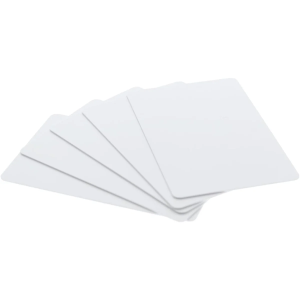
PET RFID Cards
PET cards provide better durability and heat resistance compared to PVC.
They are suitable for environments where cards may be exposed to higher temperatures or mechanical stress.
ABS RFID Cards
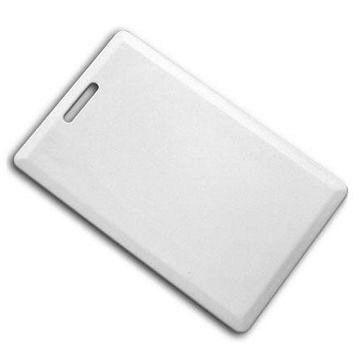
ABS plastic is commonly used for RFID key cards and key fobs.
These cards are thicker and more rugged, making them ideal for applications such as:
• hotel room access cards
• gym membership tags
• industrial access control systems
Wooden RFID Cards
Wooden RFID cards are becoming popular in eco-friendly branding applications.
Luxury hotels, resorts, and environmentally conscious businesses often use wooden cards to promote sustainability.

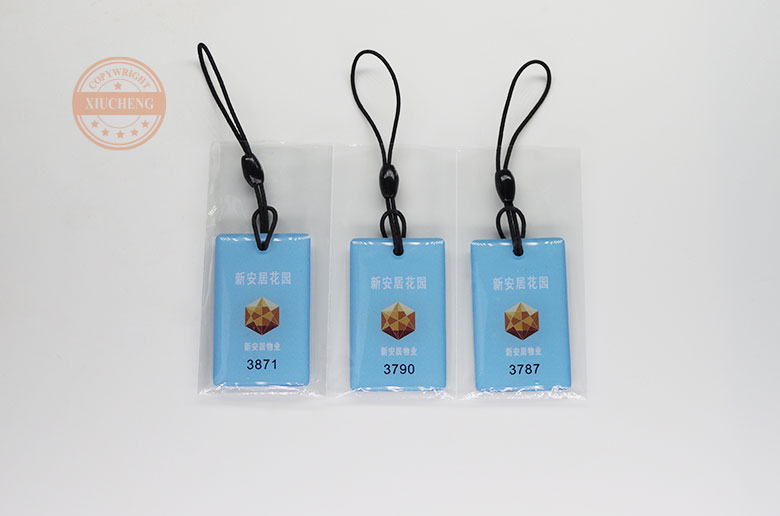
Epoxy RFID Tags
Epoxy RFID cards are coated with a protective epoxy layer that makes them highly durable and waterproof.
They are often used as small keychain tags or promotional tokens.
Common Applications of RFID Cards
RFID cards support a wide range of industries because they enable fast and automated identification.
Below are some of the most common real-world uses.
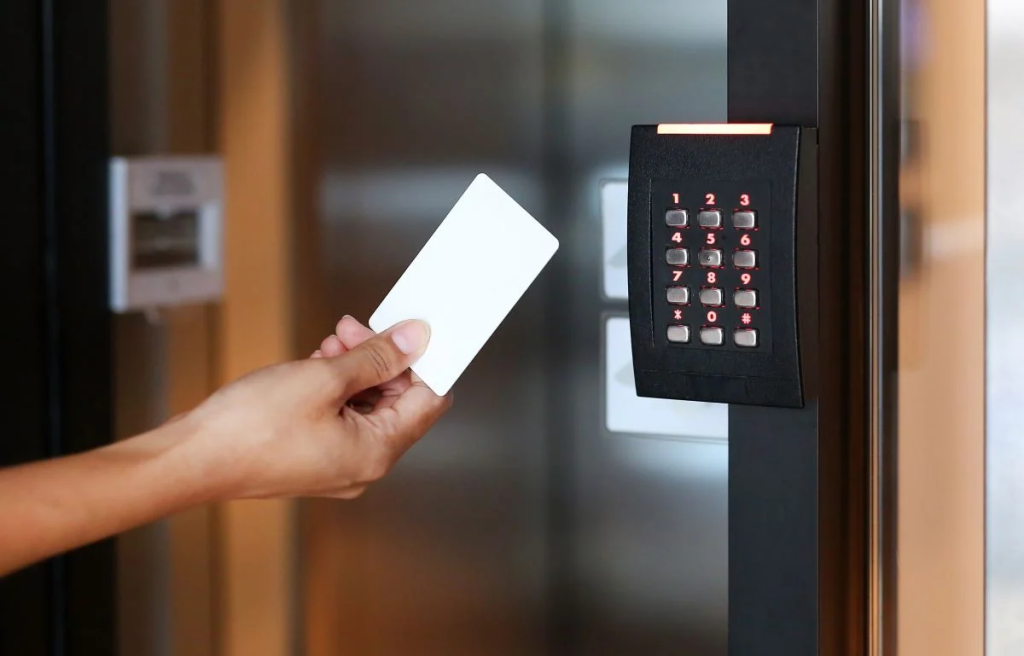
Access Control Systems
RFID cards are widely used in building security systems.
Employees or residents simply tap their card on a reader to gain access.
This technology is commonly used in:
• corporate offices
• apartment buildings
• data centers
• hospitals
Access control systems can track entry times and restrict access to authorized personnel.
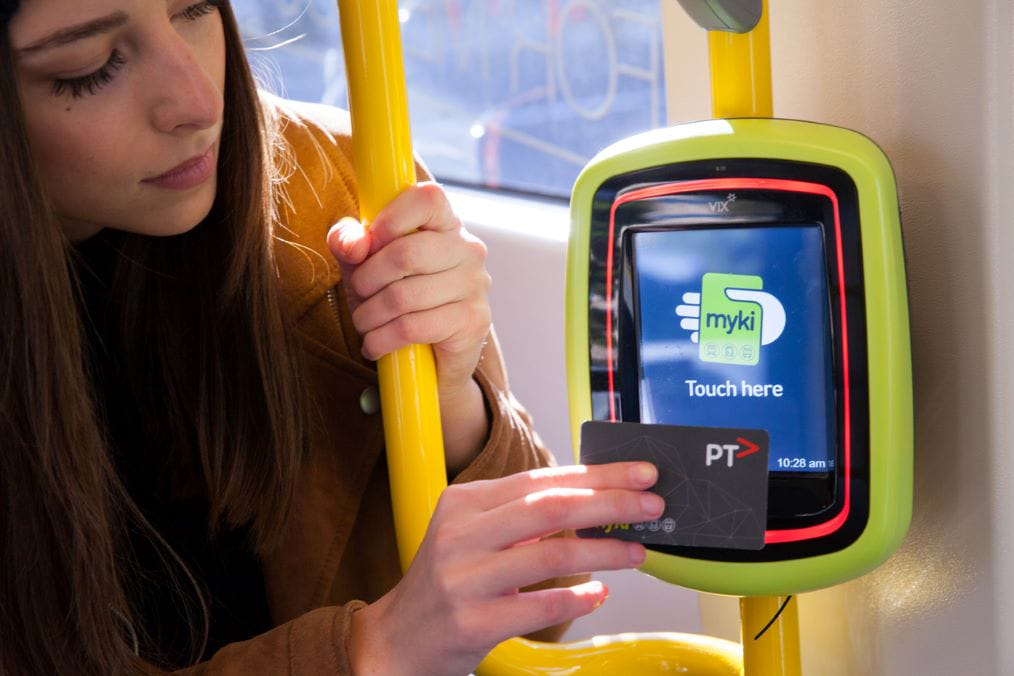
Public Transportation
Many public transit systems rely on RFID cards for ticketing and passenger identification.
Passengers can tap their cards to pay fares and pass through automated gates quickly.
This improves efficiency and reduces waiting times.
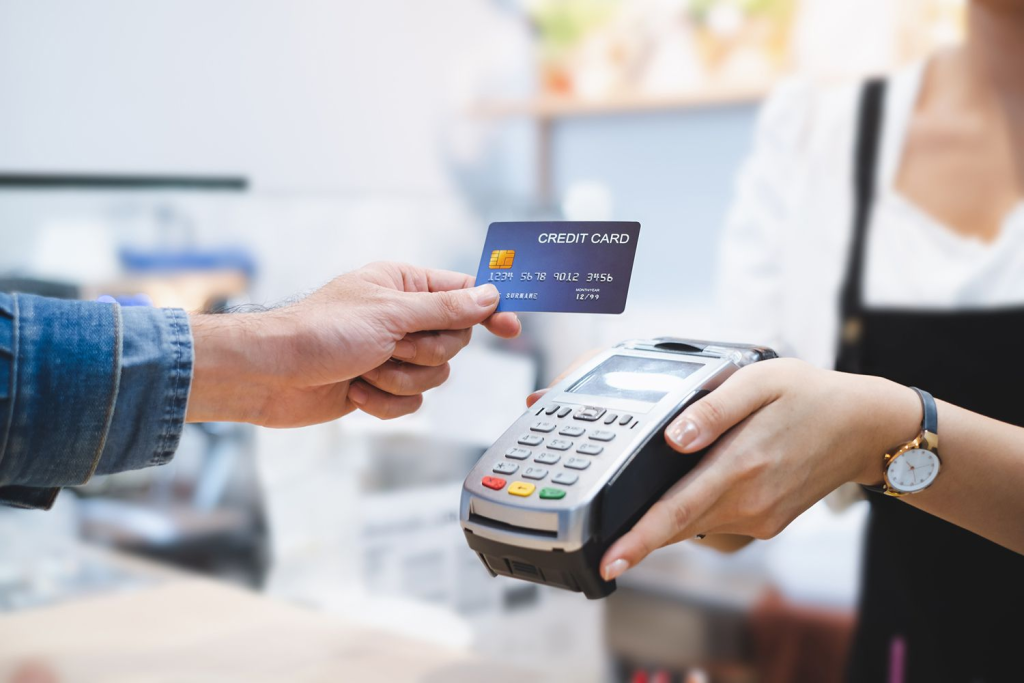
Contactless Payments
RFID technology also powers tap-to-pay bank cards used in many countries.
These cards allow customers to complete transactions by briefly tapping their card near a payment terminal.
The technology offers both speed and convenience for everyday purchases.
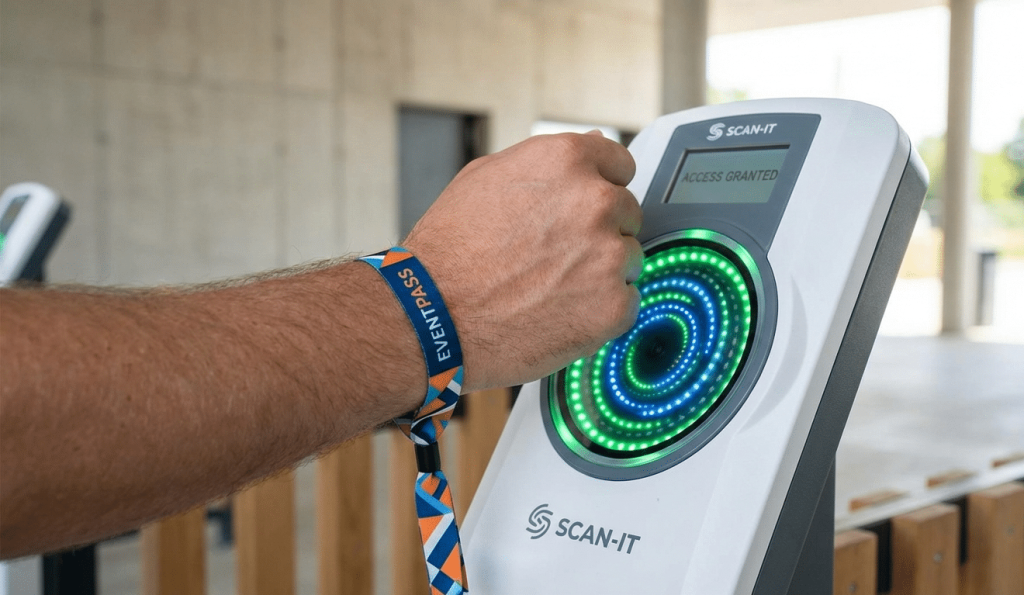
Event Ticketing and Festivals
RFID cards and wristbands are frequently used at large events such as music festivals and sports tournaments.
They enable:
• fast entry verification
• cashless payments
• attendee tracking
• VIP access control
This improves the overall event management process.

Asset Tracking and Inventory Management
Organizations use RFID cards and tags to monitor equipment and assets.
Hospitals, libraries, and warehouses rely on RFID systems to track items in real time and reduce losses.
RFID vs NFC Cards: What Is the Difference?
Many people confuse RFID cards with NFC cards, but NFC is actually a subset of RFID technology.
NFC (Near Field Communication) operates at 13.56 MHz, the same frequency used by HF RFID cards. However, NFC supports two-way communication between devices.
Key differences include:
RFID cards usually communicate in one direction with a reader.
NFC devices can communicate with each other, allowing smartphones to read NFC tags or exchange data.
Because of this capability, NFC technology is commonly used in:
• mobile payments
• smartphone pairing
• digital business cards
Advantages of RFID Cards
RFID cards provide several advantages over traditional identification methods.
Contactless Operation
Users do not need to swipe or insert the card.
Fast Authentication
Data transmission takes only milliseconds.
Durability
Embedded electronics are protected inside the card.
Improved Security
Encrypted chips can prevent unauthorized duplication.
Automation
RFID systems can automatically collect and process identification data.
These benefits make RFID technology suitable for both small organizations and large enterprise systems.
Are RFID Cards Secure?
Security depends largely on the type of RFID chip used.
Basic RFID cards may transmit only a fixed identification number, which can sometimes be duplicated using specialized equipment.
However, advanced RFID cards use encryption and authentication protocols to prevent cloning.
Secure chip technologies include:
• MIFARE DESFire EV1
• MIFARE DESFire EV2
• other encrypted smart card chips
These chips support strong cryptographic security and are widely used in transportation and financial systems.
How Long Do RFID Cards Last?
Most RFID cards can function for three to ten years depending on usage and environmental conditions.
Factors that affect lifespan include:
• physical bending or damage
• extreme temperatures
• exposure to chemicals
• antenna breakage
Since passive RFID cards do not contain batteries, they generally remain functional for long periods as long as the internal antenna remains intact.
How to Choose the Right RFID Card
Selecting the correct RFID card requires understanding your application requirements.
Important factors include:
Operating Frequency
LF, HF, or UHF depending on system compatibility.
Chip Type
Different chips offer different memory sizes and security features.
Material
Choose PVC, PET, ABS, or other materials based on durability needs.
Security Level
Access control systems may require encrypted chips.
Reading Distance
Applications such as logistics may require longer reading ranges.
Careful planning ensures compatibility with your existing RFID system.

About XIUCHENG RFID
XIUCHENG RFID specializes in manufacturing a wide range of RFID products, including RFID Silicone Wristbands, Tyvek Wristbands, Fabric Wristbands, Elastic Wristbands, Vinyl Wristbands, RFID Laundry Tags, Animal Tags, and RFID Cards. All products are produced under strict quality control and advanced production technology.
With 12 years of experience in wristband design, tag design, quality management, and customer relationship management, we have built a solid foundation for delivering reliable and high-performance RFID solutions.
Customization Options for RFID Cards
Many businesses customize RFID cards to match their brand identity and operational needs.
Customization options include:
• full-color printing
• laser engraving
• barcode or QR code printing
• magnetic stripe integration
• signature panels
• unique numbering or UID encoding
Cards can also be produced in custom shapes and sizes, depending on the application.
RFID Card Manufacturing Process
RFID card production involves several specialized manufacturing steps.
The process usually includes:
Antenna Fabrication
Copper or aluminum antennas are etched or printed onto a substrate.
Chip Bonding
The RFID chip is attached to the antenna using precision bonding techniques.
Card Lamination
Multiple layers of plastic are fused together to protect the chip and antenna.
Printing and Personalization
Graphics, logos, and identification details are printed on the card surface.
Quality Testing
Each card is tested to ensure it communicates correctly with RFID readers.
High-quality manufacturing ensures consistent performance and durability.
Conclusion
RFID cards are a fundamental technology behind many modern identification and automation systems. By using radio frequency communication, these contactless cards enable secure, fast, and convenient data exchange without physical contact.
Today, RFID cards support a wide range of applications, from access control and public transportation to payment systems and asset tracking. Their flexibility, durability, and scalability make them an essential component of modern digital infrastructure.
As organizations continue to automate operations and improve security, RFID technology will remain a key solution for efficient identification and data management.