Large-scale marathon and endurance sports events face a growing challenge: counterfeit race bibs, unauthorized participant transfers, and identity fraud. As races become more prestigious and entry slots become harder to obtain, black-market bib trading has evolved into a serious operational and safety issue.
To combat these problems, many world-class sporting events have adopted RFID-enabled race bib technology. RFID tags embedded into race bibs not only provide accurate timing and participant tracking, but also help organizers authenticate runners, reduce fraud, improve medical safety, and protect brand reputation.
This article examines how major events such as the Boston Marathon, London Marathon, and Ironman World Championship use RFID technology to enhance race security and operational efficiency.
Why Counterfeit Race Bibs Are a Major Problem
Common Types of Race Fraud
In major sporting events, counterfeit participation can appear in several forms:
- Fake bib reproduction
- Unauthorized bib transfers
- Duplicate bib printing
- Identity swapping
- Course cutting
- Ghost runners
- Multi-runner relay cheating
For organizers, these issues create serious risks:
- Inaccurate official rankings
- Insurance liability complications
- Medical emergency identification failures
- Overcrowding on race courses
- Reputation damage
- Revenue loss
In elite events where qualification standards are strict, fraudulent entries can undermine the integrity of the competition itself.

About XIUCHENG RFID
XIUCHENG RFID specializes in manufacturing a wide range of RFID products, including RFID Silicone Wristbands, Tyvek Wristbands, Fabric Wristbands, Elastic Wristbands, Vinyl Wristbands, RFID Laundry Tags, Animal Tags, and RFID Cards. All products are produced under strict quality control and advanced production technology.
With 12 years of experience in wristband design, tag design, quality management, and customer relationship management, we have built a solid foundation for delivering reliable and high-performance RFID solutions.
How RFID Bib Tags Work
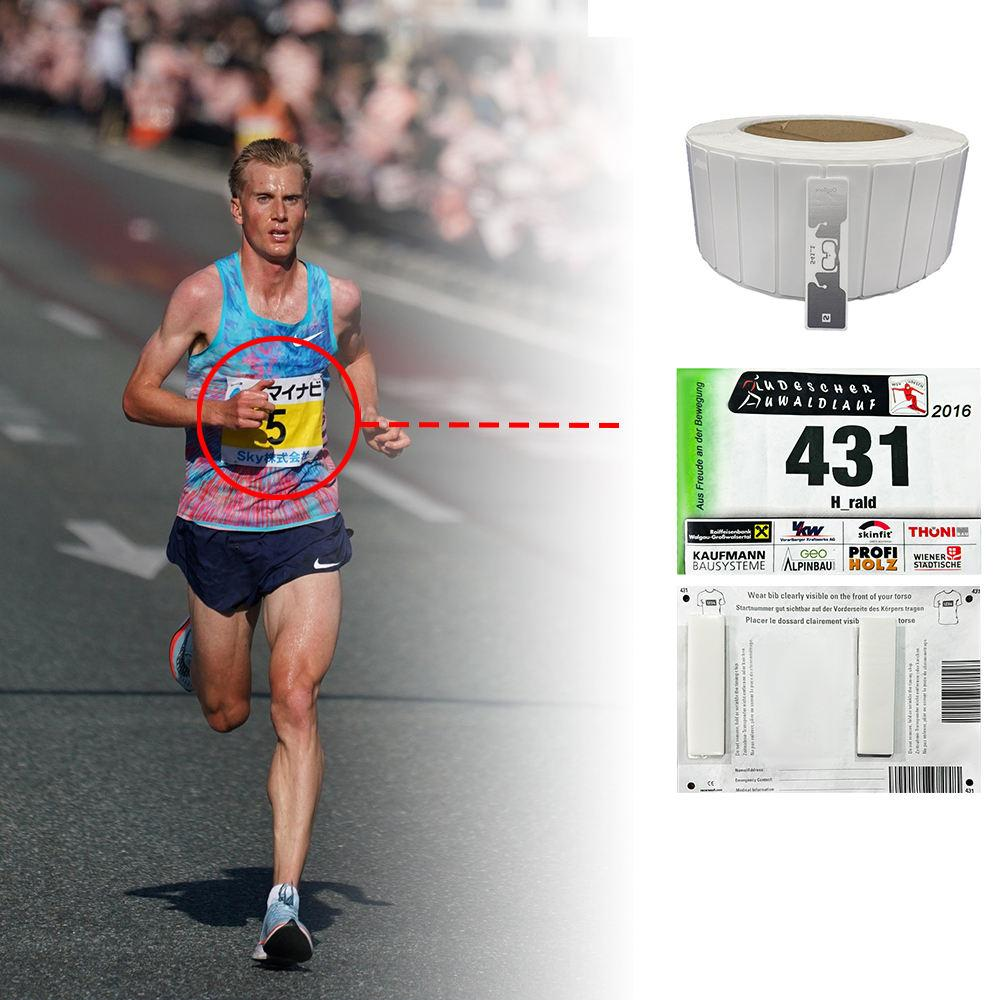
RFID Technology Embedded into Race Bibs
Modern marathon bibs often contain:
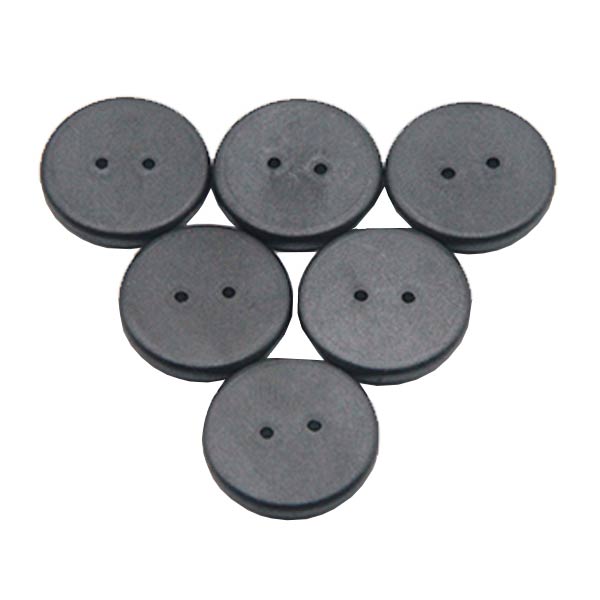
- UHF RFID inlays
- Passive RFID timing chips
- Disposable adhesive RFID labels
- Dual-frequency RFID/NFC solutions
The RFID tag is typically embedded directly into the bib material or attached to the back side of the race number.
Basic Workflow
Step 1: Runner Registration
Each participant receives a unique bib encoded with:
- Runner ID
- Registration data
- Race category
- Emergency information
- Qualification status
Step 2: RFID Authentication
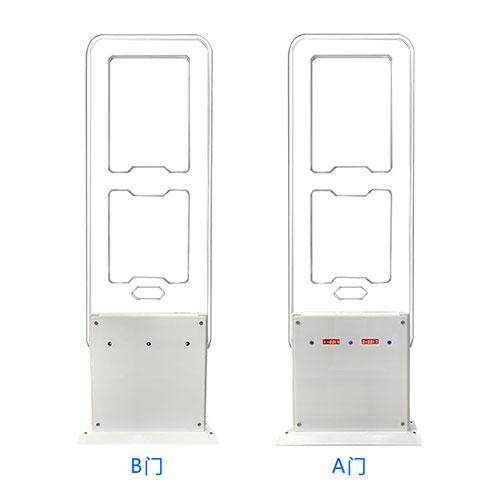
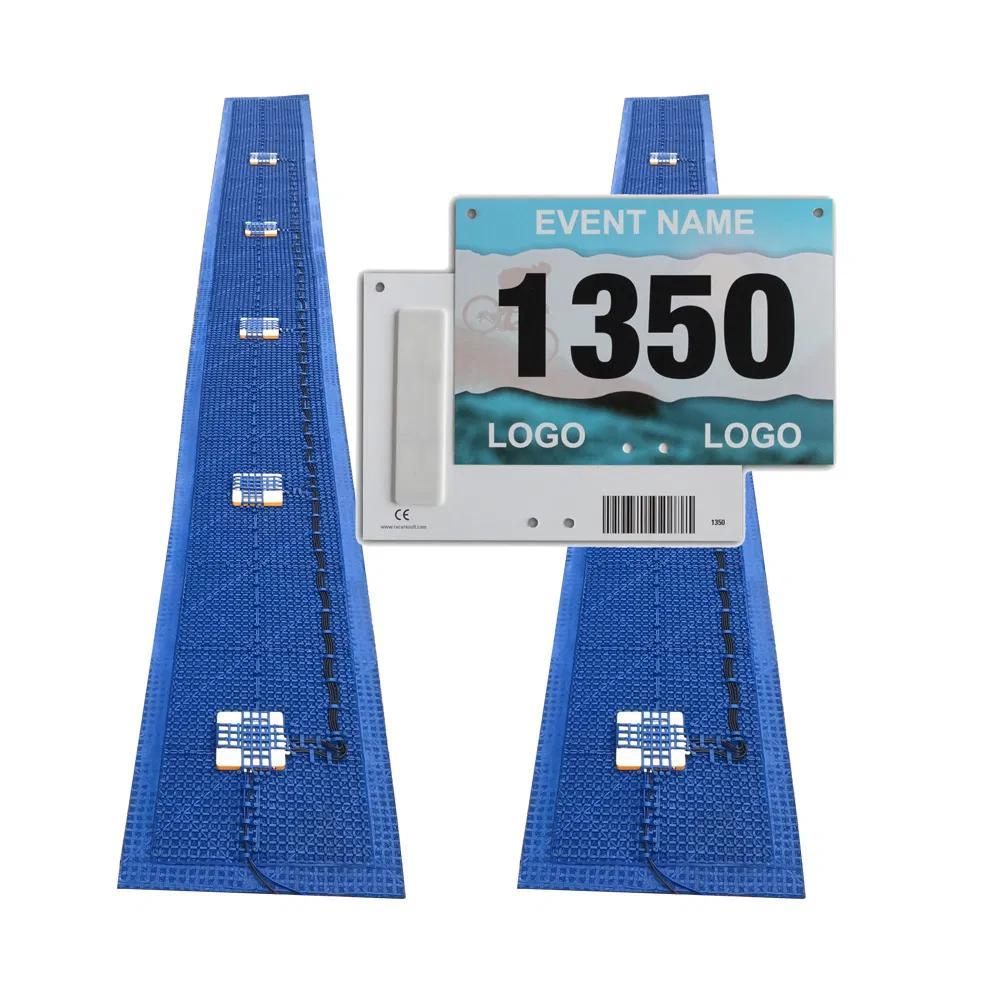
RFID readers placed at:
- Start lines
- Split checkpoints
- Finish lines
- Restricted access areas
automatically validate runner identity in real time.
Step 3: Anti-Counterfeit Verification
The system detects:
- Invalid chip IDs
- Duplicate scans
- Suspicious timing anomalies
- Unauthorized participant substitutions
This allows race officials to flag fraudulent activity immediately.
Case Study 1: Boston Marathon
Why Security Matters at the Boston Marathon


The Boston Marathon is one of the world’s most prestigious marathon events. Entry qualification standards are highly competitive, making bib transfer fraud a recurring issue.
After the 2013 bombing incident, participant identification and course security became even more critical.
RFID Deployment
The event uses RFID-enabled timing bibs to:
- Authenticate registered runners
- Track athlete movement across checkpoints
- Detect unofficial participants
- Support emergency response systems
Anti-Fraud Benefits
Real-Time Identity Validation
Each runner’s RFID chip is uniquely assigned and linked to registration records.
Duplicate bibs immediately trigger inconsistencies when scanned.
Checkpoint Pattern Analysis
Timing systems compare:
- Expected split intervals
- Running pace consistency
- Checkpoint sequence
Unusual patterns may indicate:
- Bib swapping
- Course cutting
- Unauthorized relay participation
Enhanced Medical Safety
If a medical emergency occurs, RFID-linked participant data helps responders identify runners quickly.
Case Study 2: London Marathon
Large-Scale Participant Management
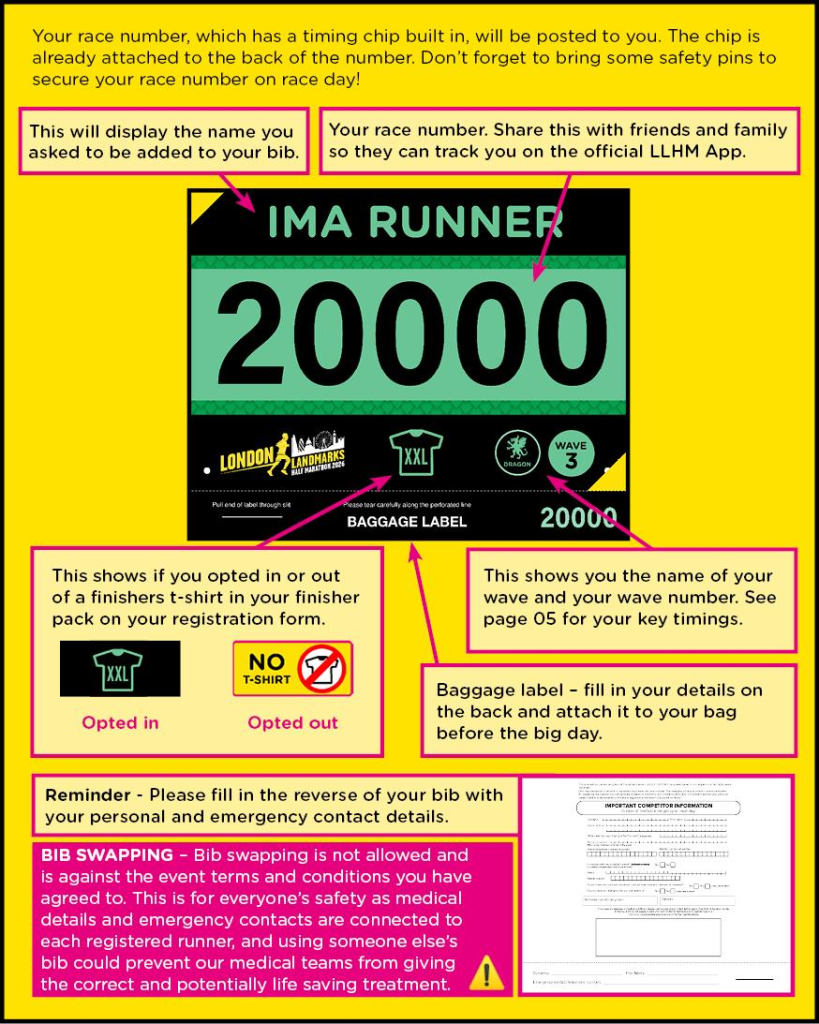
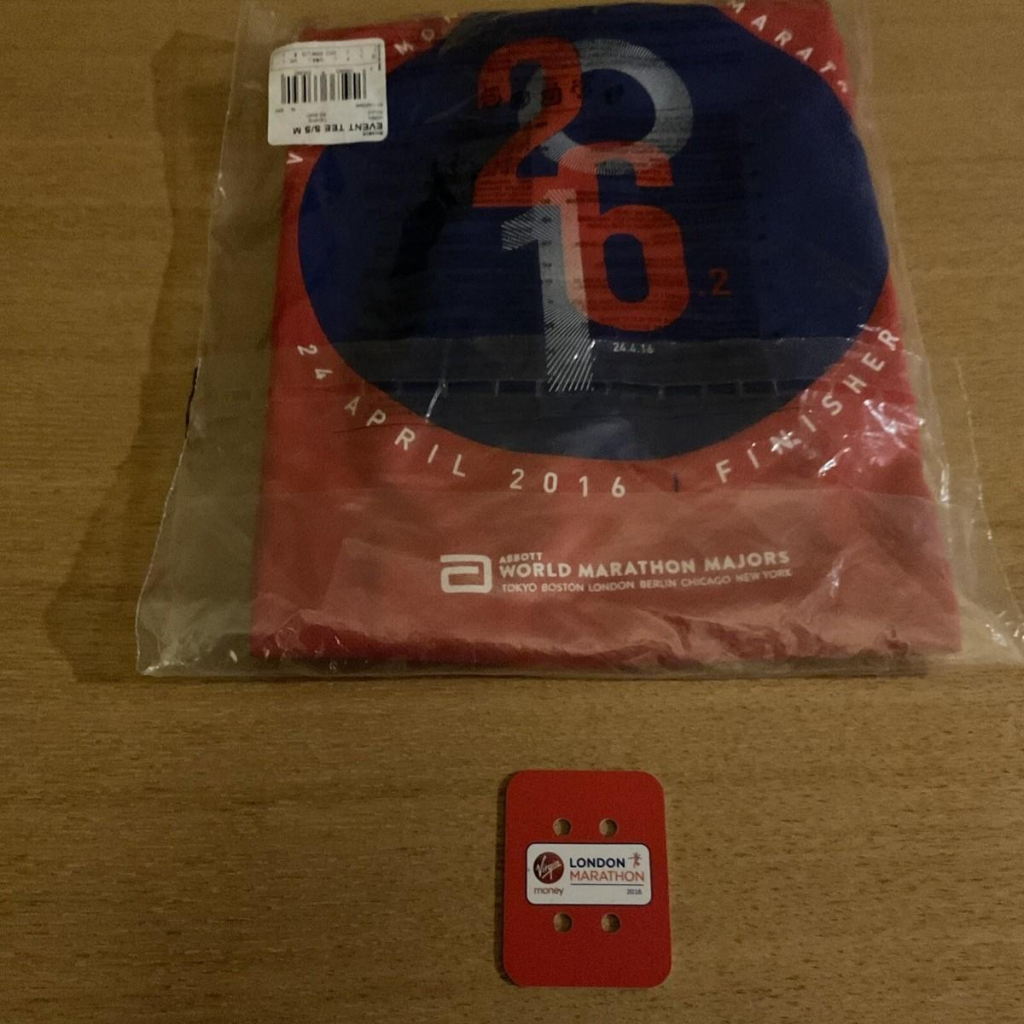

The London Marathon hosts tens of thousands of runners annually, creating major logistical challenges.
RFID technology plays a central role in:
- Crowd management
- Timing accuracy
- Participant authentication
- Spectator tracking apps
Disposable RFID Bib Tags
London Marathon adopted lightweight disposable RFID bib tags that:
- Reduce operational complexity
- Eliminate chip return logistics
- Improve runner comfort
- Minimize race-day handling errors
Integration with Live Tracking Systems
RFID checkpoints provide real-time participant updates to:
- Family tracking apps
- Race organizers
- Security personnel
- Medical teams
This creates a safer and more transparent event environment.
Case Study 3: Ironman Races
Multi-Segment Athlete Verification

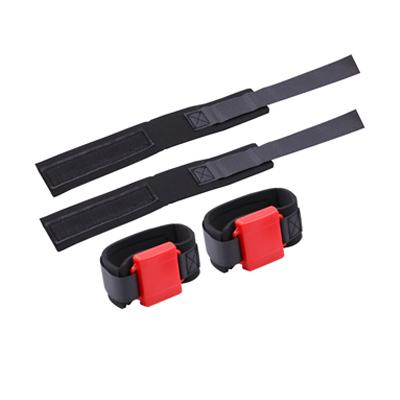
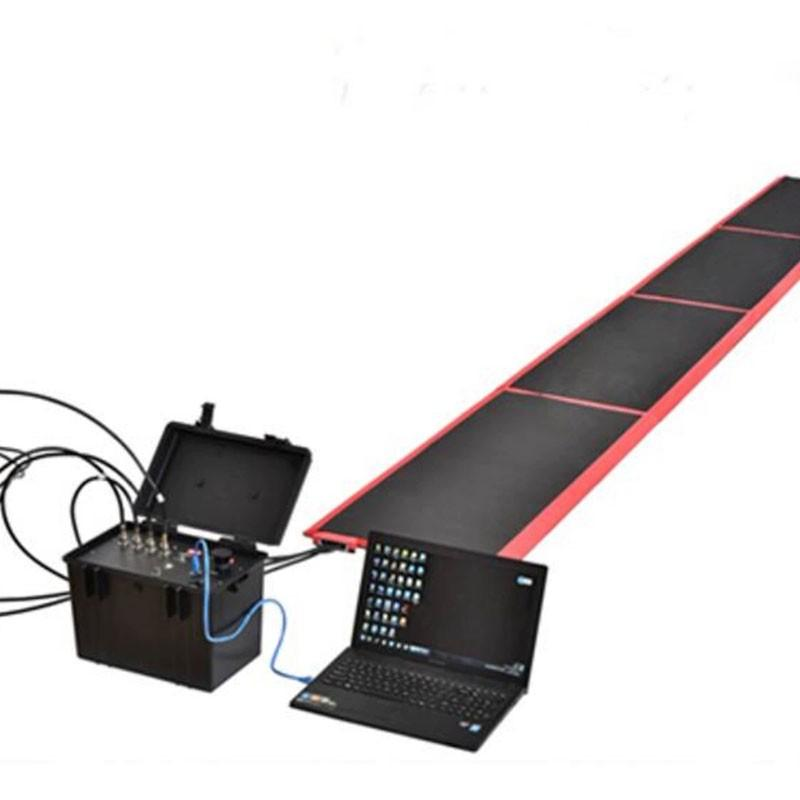
The Ironman World Championship presents unique challenges because athletes transition across:
- Swimming
- Cycling
- Running
RFID systems are essential for validating athletes throughout the race.
Transition Zone Security
RFID readers monitor:
- Bike transition areas
- Equipment movement
- Athlete entry and exit timing
This helps prevent:
- Unauthorized assistance
- Equipment theft
- Identity substitution
Split Verification
Triathlon timing systems validate whether athletes complete every required course segment correctly.
Missing checkpoints immediately flag irregularities.
Key Benefits of RFID Anti-Counterfeit Bib Systems
1. Fraud Prevention
RFID significantly reduces:
- Fake bib production
- Unauthorized transfers
- Duplicate participation
2. Accurate Timing
RFID timing systems provide:
- Millisecond-level accuracy
- Automated split calculation
- Reliable official rankings
3. Improved Safety
Real-time participant visibility enhances:
- Emergency response
- Crowd control
- Missing runner detection
4. Better Event Analytics
Organizers gain valuable operational data:
- Runner density
- Course congestion
- Pace distribution
- Checkpoint flow analysis
5. Enhanced Spectator Experience
Live athlete tracking improves engagement for:
- Families
- Sponsors
- Media broadcasters
- Mobile app users
RFID Technologies Commonly Used in Sports Events
Passive UHF RFID
Most marathon timing systems use passive UHF RFID because it offers:
- Long read range
- Fast multi-tag reading
- Low tag cost
- Disposable deployment capability
HF/NFC Hybrid Systems
Some premium sports events use dual-frequency solutions that combine:
- UHF for race timing
- NFC for participant interaction
Runners can use NFC-enabled bibs for:
- Digital check-in
- Social sharing
- Sponsor engagement
- Interactive event experiences
Challenges in RFID Sports Deployments
Environmental Interference
Race environments include:
- Metal barricades
- Dense crowds
- Weather exposure
- Wet clothing
RFID systems must be carefully tuned for reliable performance.
Read Accuracy at High Speed
Thousands of runners crossing checkpoints simultaneously requires:
- Anti-collision optimization
- High-performance readers
- Advanced antenna placement
Data Security
Large sports events must protect participant information and prevent cloning attempts.
Encryption and secure encoding processes are increasingly important.
Future Trends in RFID Sports Event Security
AI + RFID Fraud Detection
Future systems may combine RFID with AI analytics to identify suspicious behavior patterns automatically.
Biometric Integration
Some events are exploring integration with:
- Facial recognition
- Mobile identity verification
- Wearable authentication
Smart Bib Ecosystems
Next-generation race bibs may include:
- NFC engagement
- Dynamic sponsor content
- Health monitoring
- GPS hybrid tracking
Conclusion
RFID technology has evolved far beyond simple race timing. In modern marathon and endurance sports events, RFID bib tags are now critical infrastructure for security, anti-counterfeit protection, athlete verification, and operational intelligence.
Events such as the Boston Marathon, London Marathon, and Ironman World Championship demonstrate how RFID systems help organizers maintain fairness, improve participant safety, and deliver world-class event experiences at massive scale.
As global sports events continue to grow, RFID-based authentication and tracking technologies will likely become standard practice across the entire endurance sports industry.