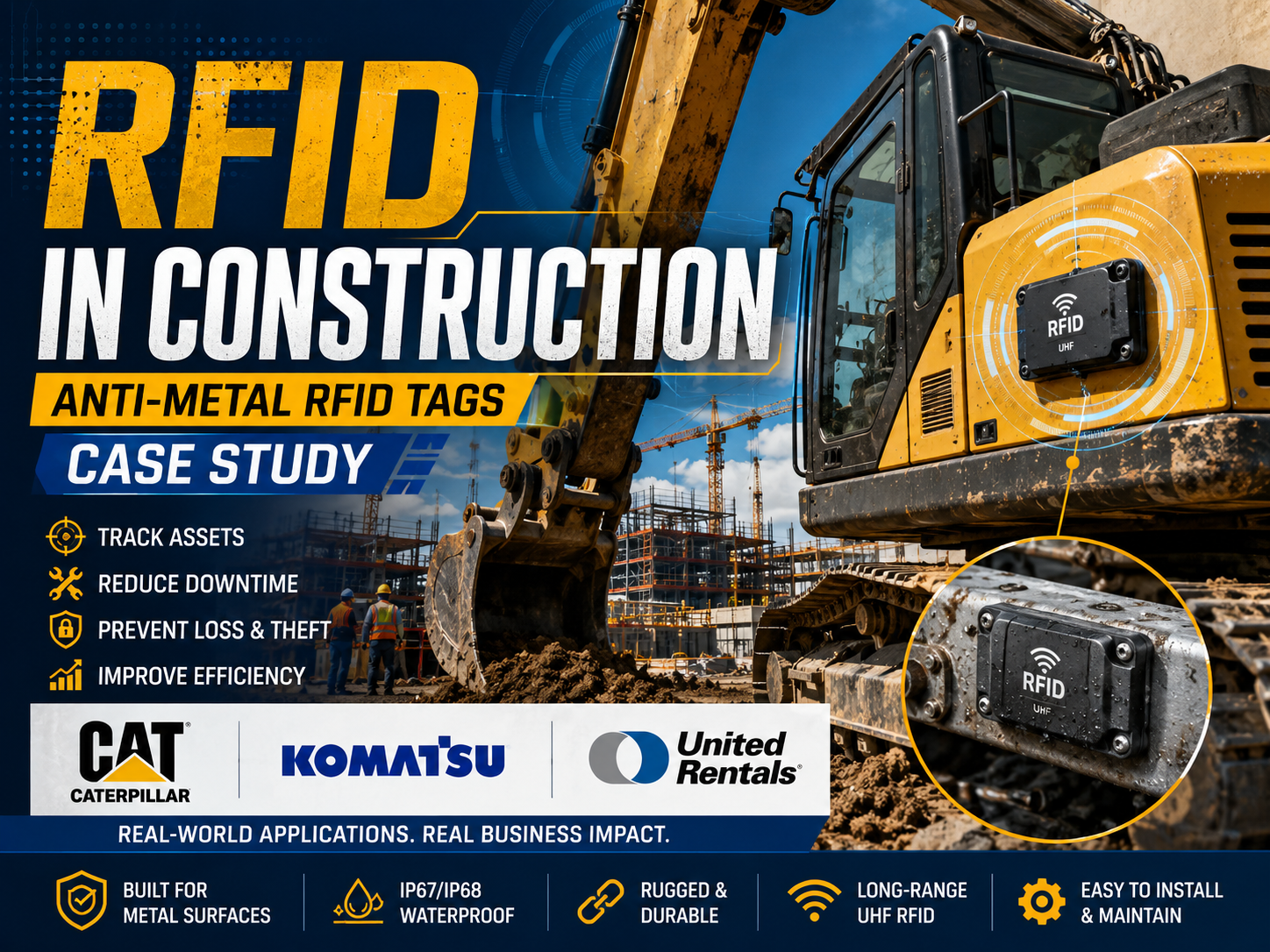
Construction companies manage thousands of high-value assets across large, harsh, and constantly changing job sites. Heavy equipment, power tools, steel materials, containers, and rental assets are frequently moved between projects, making manual tracking slow and error-prone.
To solve these challenges, major global construction and equipment companies such as Caterpillar Inc., Komatsu, and United Rentals have adopted RFID technologies for equipment identification, fleet management, maintenance tracking, and inventory visibility.
Among all RFID products used in construction environments, anti-metal RFID tags have become one of the most critical technologies because traditional RFID labels often fail when attached directly to metal surfaces.
Why Construction Companies Need Anti-Metal RFID Tags
Construction sites contain large amounts of metal:
- Excavators
- Bulldozers
- Steel beams
- Generators
- Scaffolding
- Containers
- Rental equipment
- Pipes and industrial tools
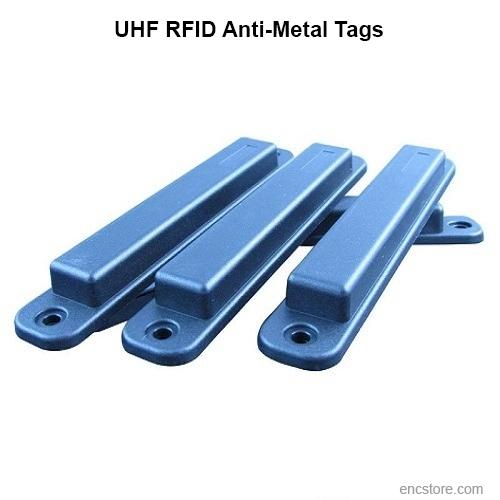
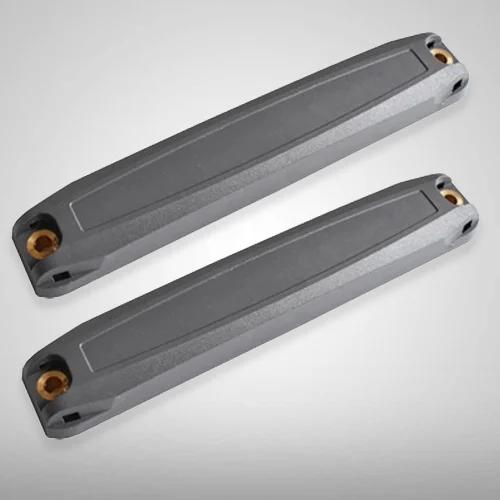
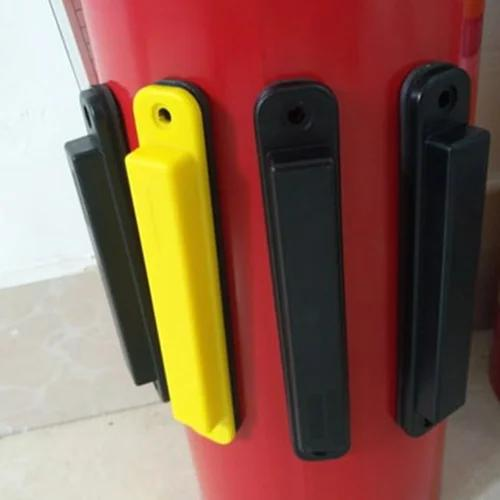
Standard RFID tags lose performance near metal because metal reflects and absorbs RF signals. Anti-metal RFID tags are specially designed with shielding layers or foam isolation structures that allow reliable reading even when mounted directly on steel or aluminum surfaces.
Typical Construction RFID Applications
- Heavy equipment identification
- Tool tracking
- Rental asset management
- Maintenance scheduling
- Access control
- Material tracking
- Warehouse inventory
- Worker safety compliance
- Fuel management
- Theft prevention
What Are Anti-Metal RFID Tags?
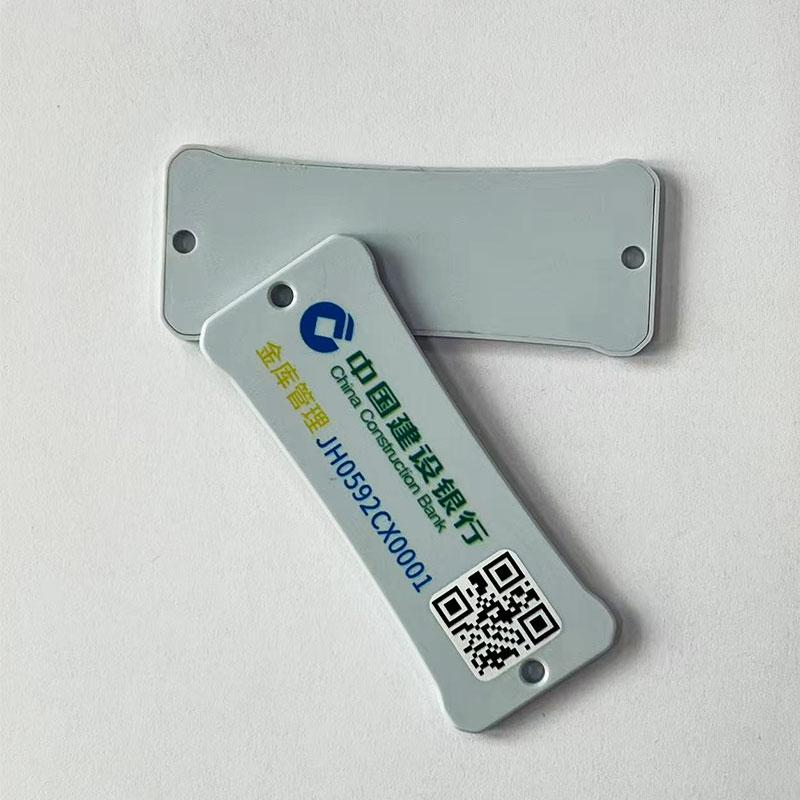
Anti-metal RFID tags are RFID tags engineered specifically for metal surfaces.
They typically feature:
- Ferrite shielding layers
- ABS industrial housings
- High-temperature resistance
- Waterproof IP67/IP68 protection
- Long-range UHF reading
- Strong adhesive or screw mounting
These tags are commonly available in:
- Passive UHF RFID
- NFC anti-metal tags
- Ceramic RFID tags
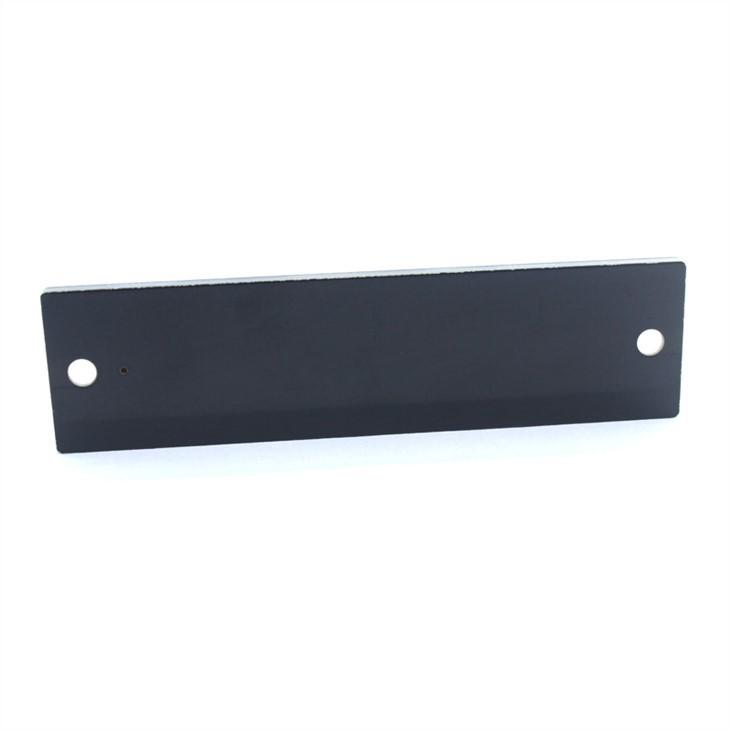
- PCB RFID tags
- Rugged hard tags
Common Construction RFID Tag Types

Case Study 1: Caterpillar Inc.
Background
Caterpillar Inc. is one of the world’s largest manufacturers of construction and mining equipment.
Managing global fleets of bulldozers, loaders, excavators, engines, and generators requires accurate asset visibility across dealerships, warehouses, and customer job sites.
RFID Deployment Goals
Caterpillar focused on:
- Equipment lifecycle tracking
- Parts identification
- Maintenance history management
- Warehouse automation
- Theft reduction
- Faster field servicing
Because most heavy machinery is metallic and exposed to extreme outdoor conditions, anti-metal RFID tags became essential.
RFID Solution
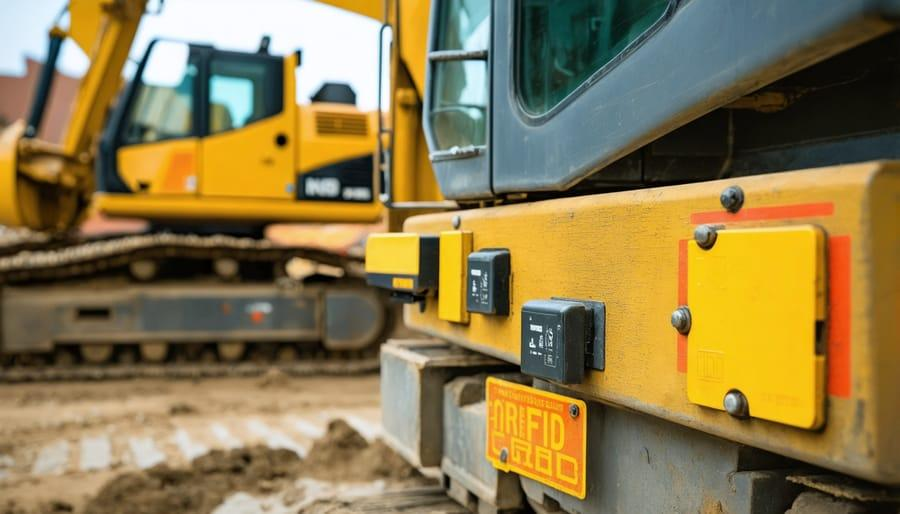
Caterpillar and its partners deployed rugged UHF anti-metal RFID tags attached to:
- Engine components
- Hydraulic systems
- Chassis frames
- Steel equipment bodies
- Maintenance parts
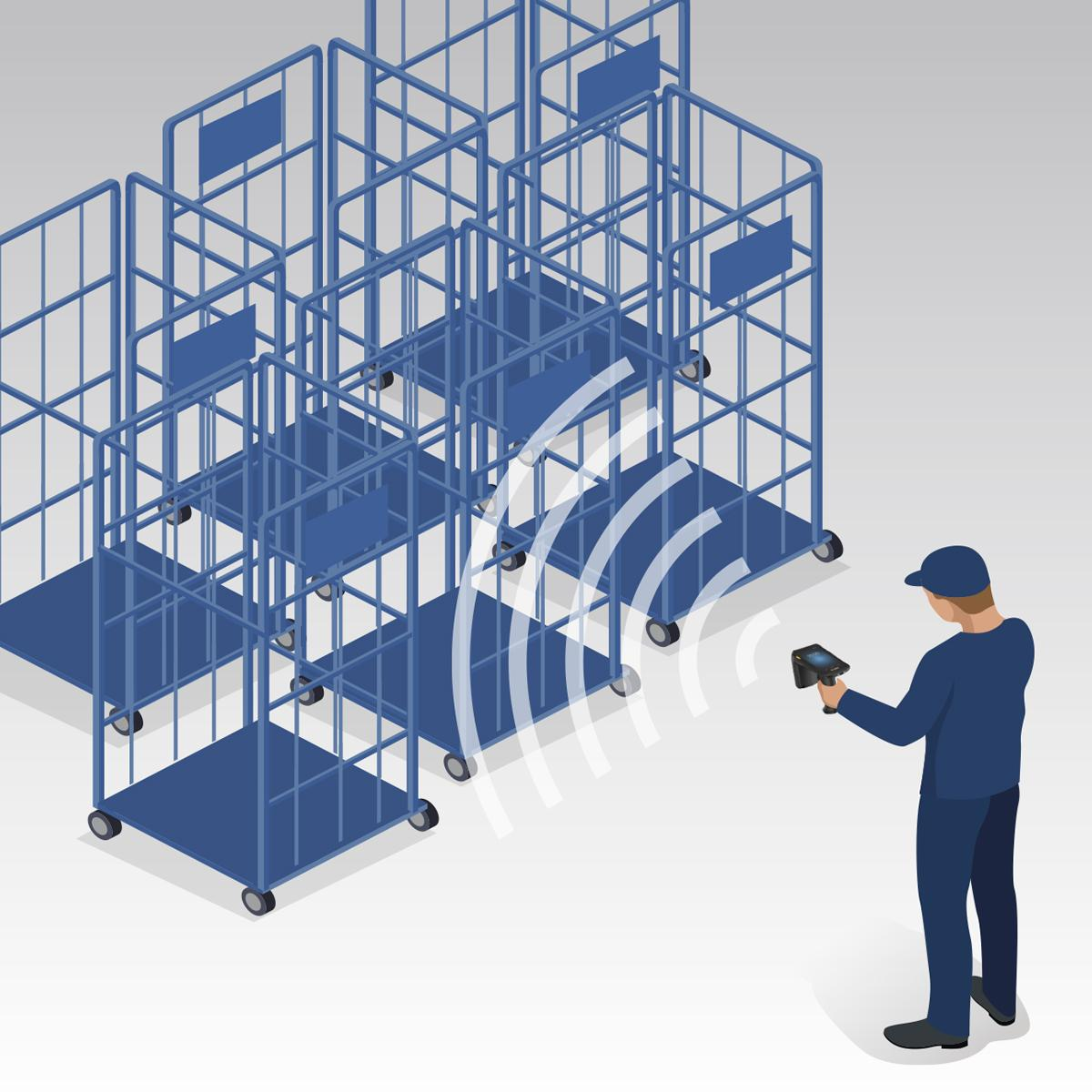
RFID handheld readers and fixed readers were used to automate inspections and inventory checks.
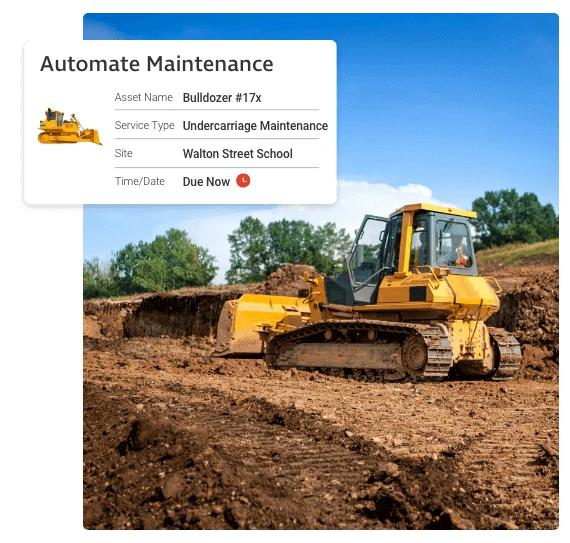
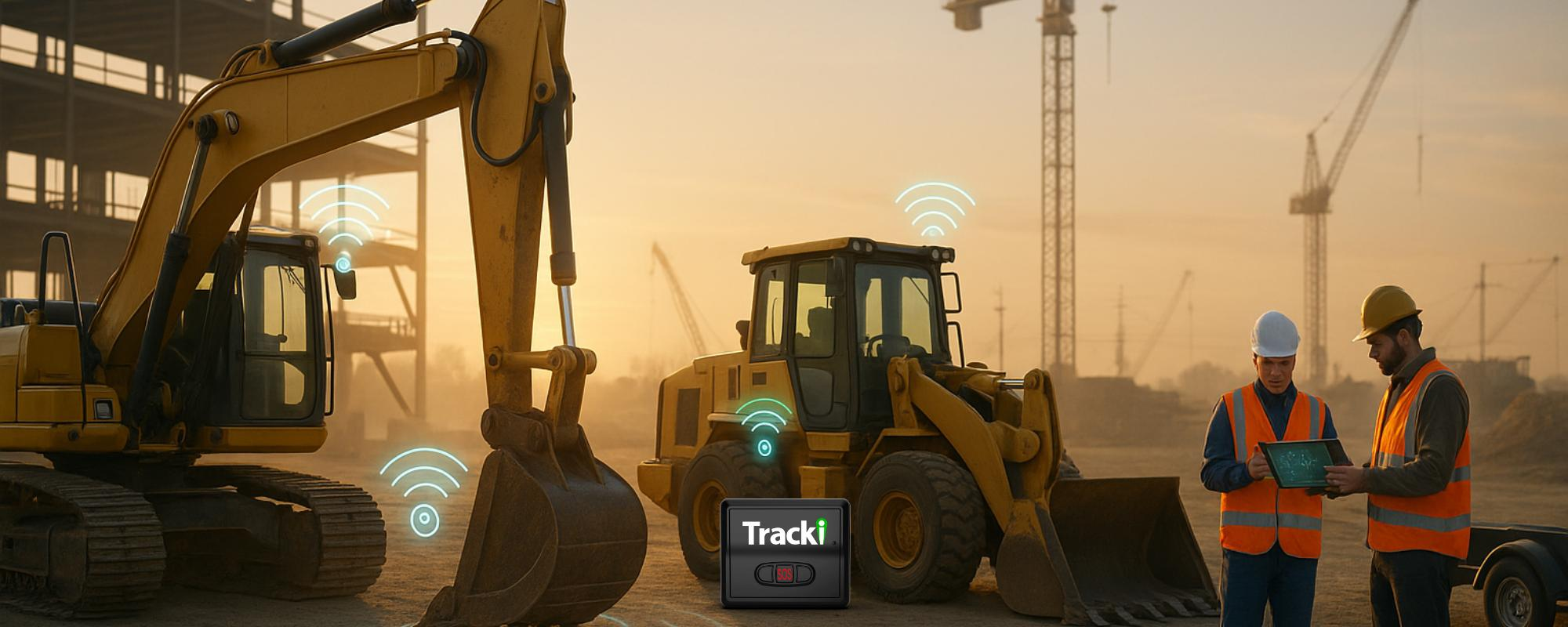
Example Construction Equipment RFID Deployment
Results
Key improvements reportedly included:
- Faster maintenance verification
- Reduced manual paperwork
- Better spare parts traceability
- Improved fleet visibility
- Reduced asset loss
RFID also improved predictive maintenance workflows by linking equipment IDs to digital service records.
Case Study 2: Komatsu
Background
Komatsu operates globally in mining, forestry, and heavy construction industries.
The company has heavily invested in smart construction technologies and industrial IoT systems.
Construction Challenges
Komatsu faced challenges involving:
- Tracking assets across remote job sites
- Monitoring maintenance intervals
- Managing rental and leased equipment
- Reducing downtime
- Improving operational efficiency
Traditional barcode systems were difficult to use in muddy, dusty, and outdoor construction environments.
RFID Implementation
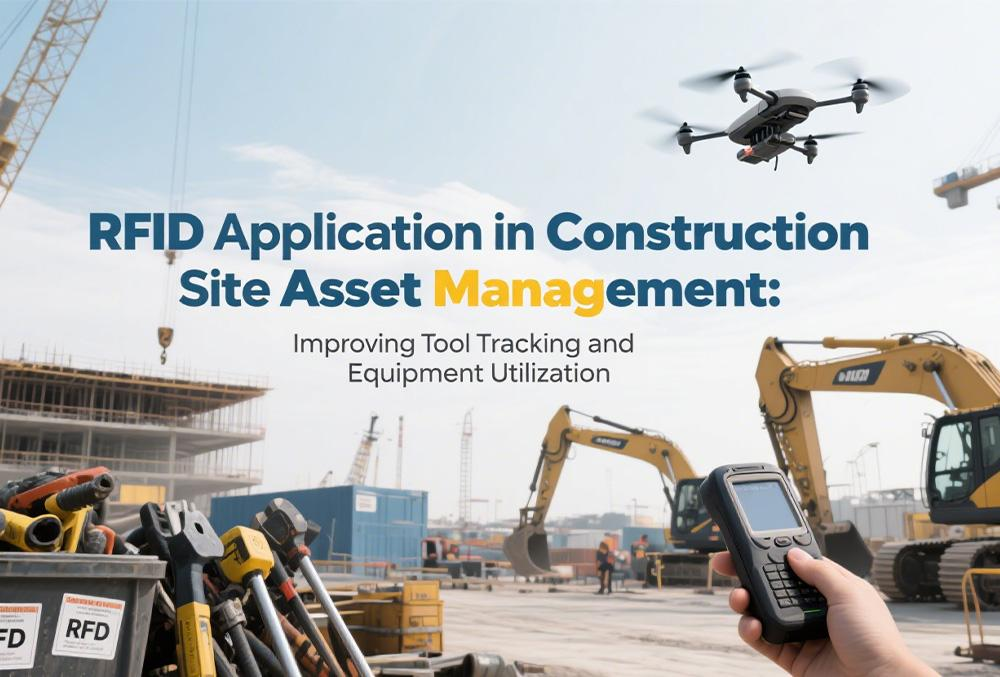
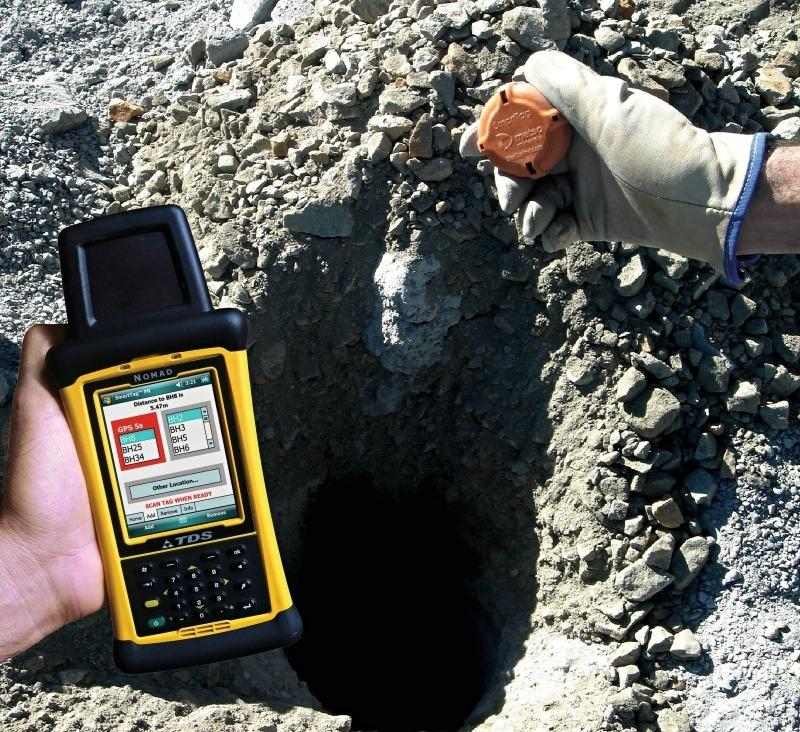
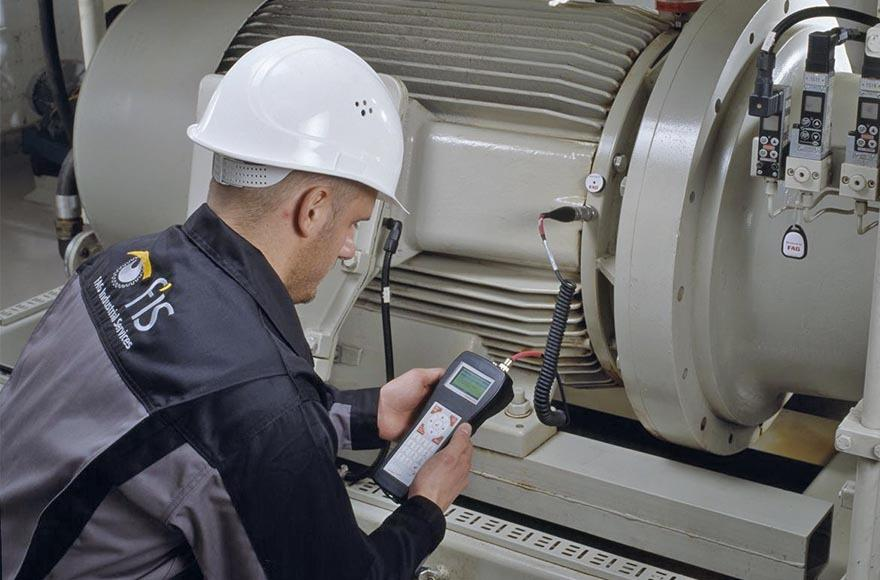
Komatsu adopted industrial RFID systems combined with telematics and IoT platforms.
Anti-metal RFID tags were mounted on:
- Excavators
- Dump trucks
- Steel attachments
- Generators
- Industrial tools
The tags were designed to survive:
- Vibration
- Rain
- UV exposure
- Dust
- Mechanical impact
Smart Construction RFID Systems
Results
Komatsu improved:
- Equipment utilization rates
- Maintenance scheduling accuracy
- Fleet management visibility
- Equipment audit speed
- Construction site automation
RFID also helped reduce equipment downtime caused by missed inspections or misplaced tools.
Case Study 3: United Rentals
Background
United Rentals is one of the largest equipment rental companies in the world.
The company manages enormous fleets of rental assets, including:
- Generators
- Scissor lifts
- Portable buildings
- Compressors
- Pumps
- Lighting towers
Rental companies face major challenges in tracking asset locations and service histories.
Why RFID Was Needed
United Rentals needed better methods for:
- Rental asset visibility
- Checkout/check-in automation
- Preventive maintenance
- Theft prevention
- Fleet auditing
Barcodes often became unreadable due to dirt, scratches, and outdoor exposure.
RFID Deployment
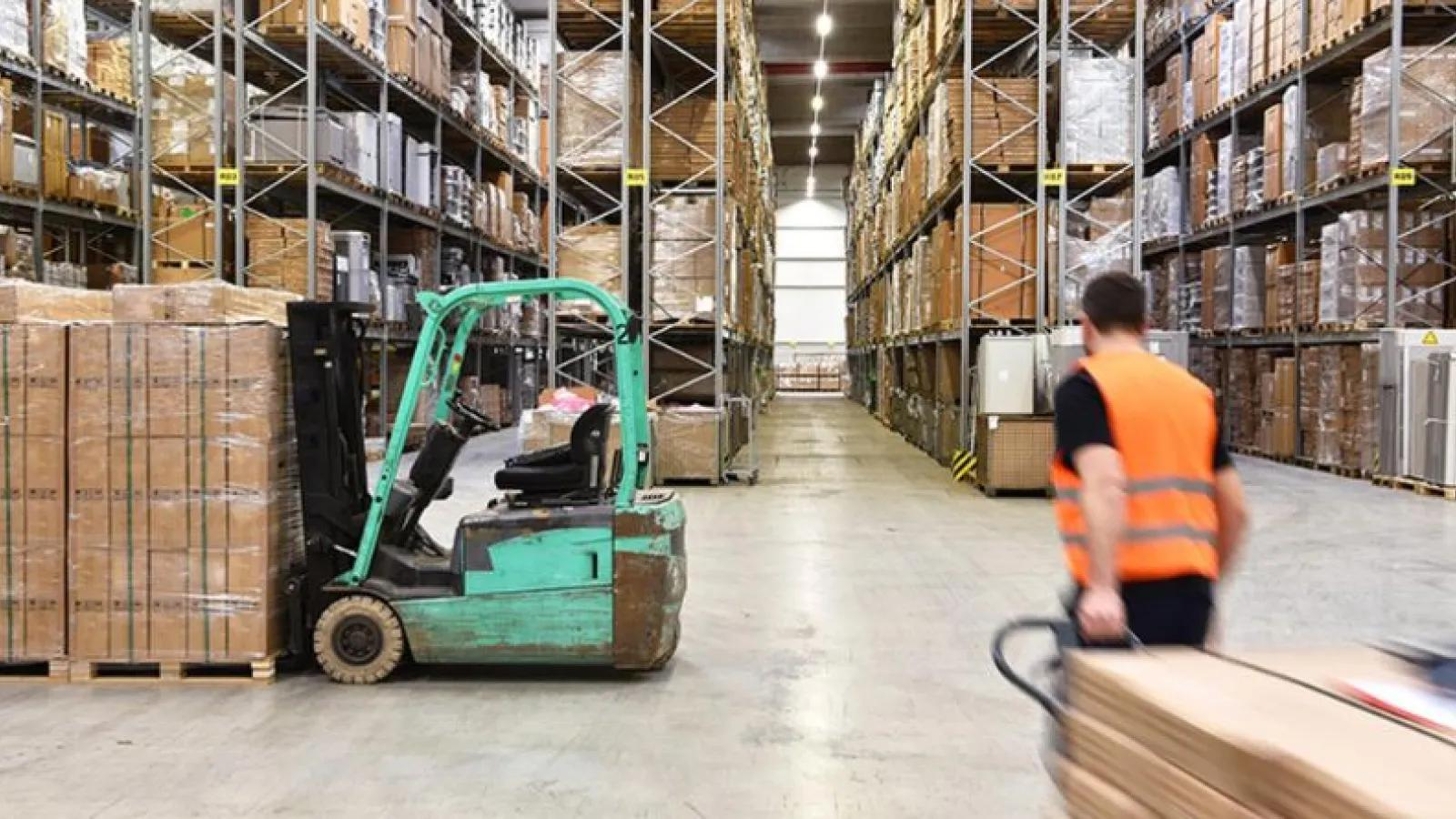
United Rentals implemented rugged RFID tracking systems using anti-metal RFID tags attached to rental equipment.
RFID readers were used at:
- Warehouses
- Service centers
- Loading docks
- Rental return stations
- Construction sites
The company combined RFID with GPS and telematics systems for real-time fleet management.
RFID Rental Asset Tracking

Results
Benefits included:
- Faster rental processing
- Reduced lost equipment
- Improved maintenance compliance
- Better inventory accuracy
- Lower operational costs
RFID significantly reduced the time required for large fleet audits.
Why Anti-Metal RFID Tags Are Ideal for Construction
Construction environments are among the harshest RFID deployment scenarios.
Anti-metal RFID tags provide:
| Feature | Benefit |
|---|---|
| Metal-compatible design | Reliable reading on steel surfaces |
| Waterproof protection | Outdoor durability |
| Rugged housing | Resistance to impacts and vibration |
| Long-range UHF reading | Faster asset scanning |
| Unique asset ID | Improved traceability |
| Maintenance integration | Better preventive servicing |
Common RFID Tags Used in Construction
Rugged ABS RFID Tags
Used for:
- Excavators
- Cranes
- Generators
- Containers
PCB Anti-Metal RFID Tags
Used for:
- Steel tools
- Machinery components
- Small metal assets
Ceramic RFID Tags
Ideal for:
- High-temperature environments
- Industrial manufacturing
- Harsh outdoor use
RFID Tags for Construction Applications
Future of RFID in Construction
The construction industry is rapidly moving toward:
- Smart job sites
- Digital twins
- Predictive maintenance
- IoT-connected equipment
- Automated inventory systems
RFID will continue integrating with:
- GPS tracking
- AI analytics
- BIM systems
- Cloud asset management
- Industrial IoT platforms
Anti-metal RFID tags are expected to play a central role in construction digitization because nearly all heavy construction assets contain metal surfaces.
How XIUCHENG RFID Supports Construction RFID Projects
As a professional RFID manufacturer with 12 years of industry experience, XIUCHENG RFID provides:
- Rugged anti-metal RFID tags
- UHF industrial RFID hard tags
- Waterproof RFID asset tags
- Custom RFID tag design
- OEM/ODM RFID manufacturing
- Long-range RFID solutions for construction equipment
Our RFID tags are designed for:
- Heavy equipment tracking
- Construction tool management
- Rental asset control
- Industrial maintenance systems
- Outdoor harsh environments

About XIUCHENG RFID
XIUCHENG RFID specializes in manufacturing a wide range of RFID products, including RFID Silicone Wristbands, Tyvek Wristbands, Fabric Wristbands, Elastic Wristbands, Vinyl Wristbands, RFID Laundry Tags, Animal Tags, and RFID Cards. All products are produced under strict quality control and advanced production technology.
With 12 years of experience in wristband design, tag design, quality management, and customer relationship management, we have built a solid foundation for delivering reliable and high-performance RFID solutions.
Conclusion
The adoption of RFID in construction is accelerating as companies seek better visibility, lower operational costs, and smarter equipment management.
Industry leaders like Caterpillar Inc., Komatsu, and United Rentals demonstrate how anti-metal RFID tags can improve asset tracking, maintenance workflows, and operational efficiency across large construction fleets.
For construction companies managing metal-heavy assets in harsh outdoor environments, anti-metal RFID tags are no longer optional — they are becoming an essential part of modern smart construction infrastructure.