


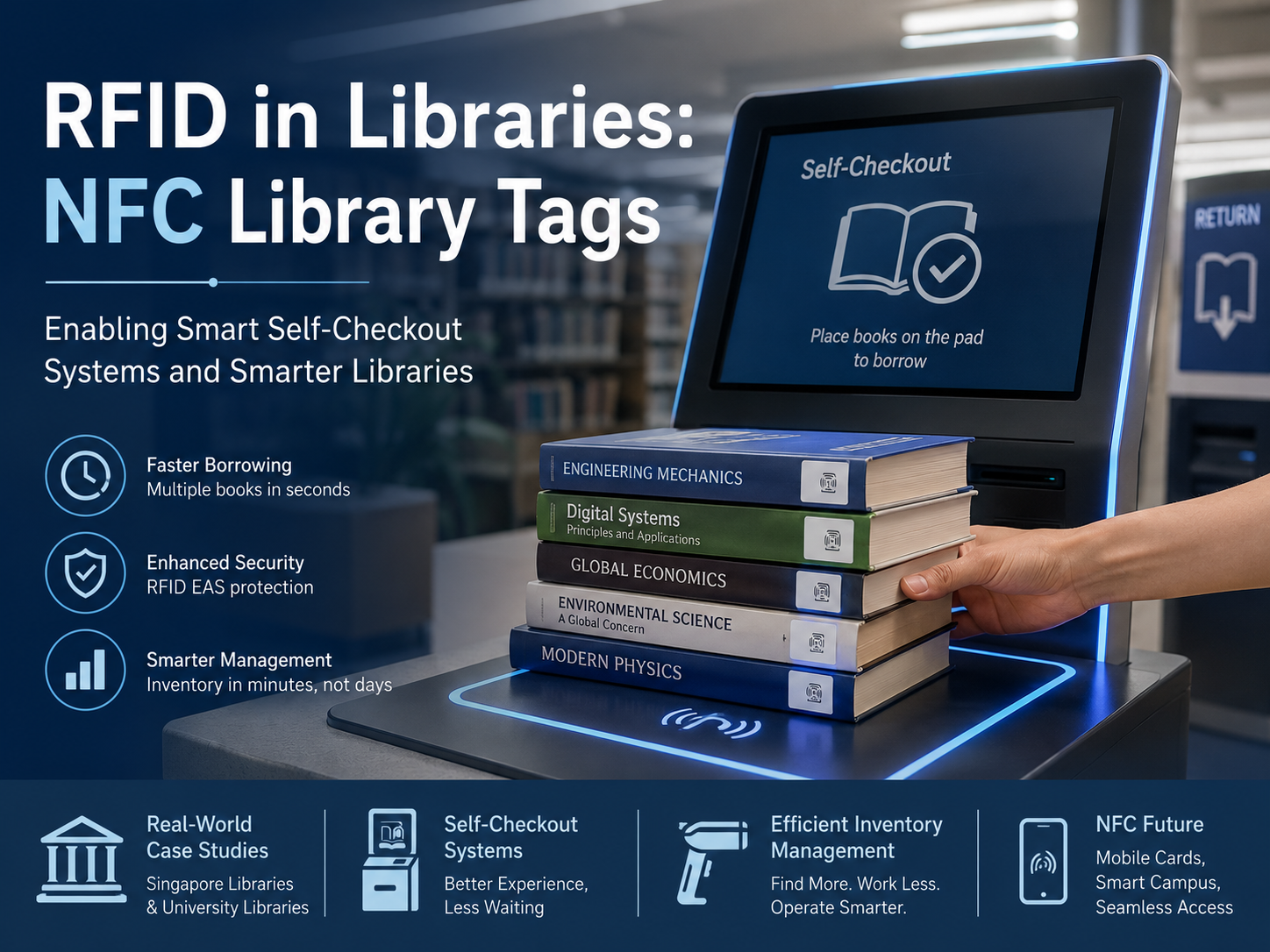
Libraries are no longer just shelves of books and manual barcode scanning desks. Around the world, public and university libraries are deploying RFID and NFC-based library tags to automate circulation, improve inventory visibility, reduce labor costs, and enhance the user experience.
From the national library network in Singapore to modern university campuses, RFID-enabled self-checkout systems are becoming standard infrastructure for smart libraries.
This case study explores how RFID library tags work, how self-service borrowing systems are implemented, and why NFC and HF RFID technologies are transforming library operations globally.
What Are NFC Library Tags?
NFC library tags are typically based on High Frequency (HF) RFID technology operating at 13.56 MHz under standards such as:
- ISO 15693
- ISO 18000-3
- NFC Forum compatibility
- SIP2-compatible library systems
These tags are embedded inside:
- Books
- DVDs
- Journals
- Archives
- Student materials
Most library systems use thin adhesive RFID labels hidden inside the book cover.
Typical Features of RFID Library Tags
| Feature | Benefit |
|---|---|
| Contactless reading | Faster circulation |
| Anti-collision support | Multiple books scanned simultaneously |
| Rewritable memory | Dynamic item data |
| Security bit/EAS | Anti-theft protection |
| Long service life | Suitable for high circulation environments |
| Self-checkout compatibility | Reduced staffing pressure |

About XIUCHENG RFID
XIUCHENG RFID specializes in manufacturing a wide range of RFID products, including RFID Silicone Wristbands, Tyvek Wristbands, Fabric Wristbands, Elastic Wristbands, Vinyl Wristbands, RFID Laundry Tags, Animal Tags, and RFID Cards. All products are produced under strict quality control and advanced production technology.
With 12 years of experience in wristband design, tag design, quality management, and customer relationship management, we have built a solid foundation for delivering reliable and high-performance RFID solutions.
Why Libraries Are Moving Beyond Barcodes
Traditional barcode systems require:
- Line-of-sight scanning
- One-by-one handling
- Manual inventory checks
- Staff-intensive circulation
RFID eliminates these bottlenecks.
With RFID:
- Multiple books can be read instantly
- Inventory can be completed using handheld readers
- Security gates automatically detect unissued books
- Patrons can borrow books independently
For large public or university libraries, this dramatically improves operational efficiency.
Case Study 1: Singapore Libraries and Nationwide RFID Adoption
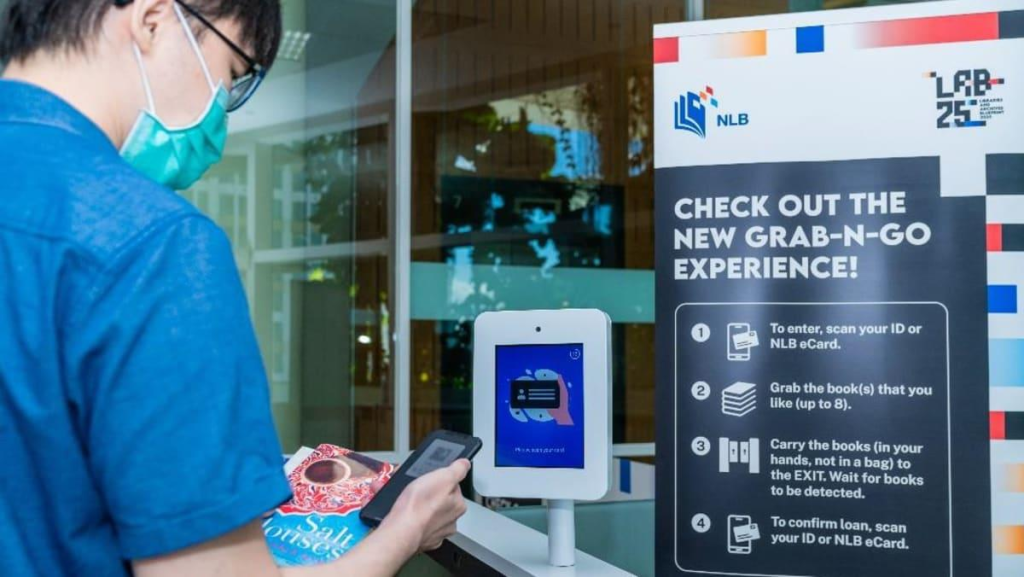
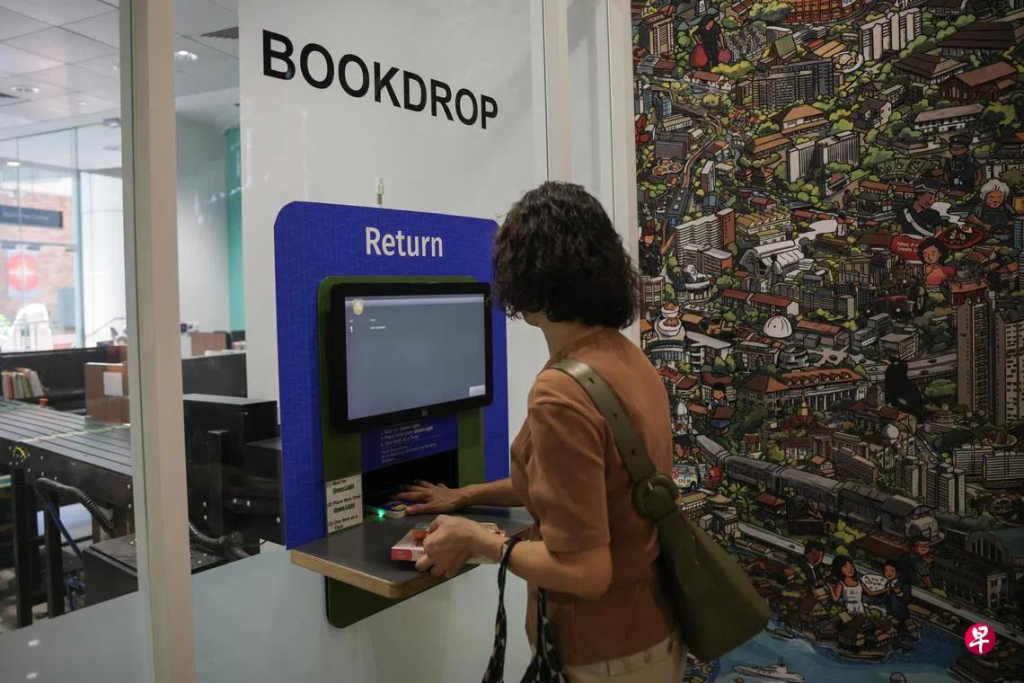
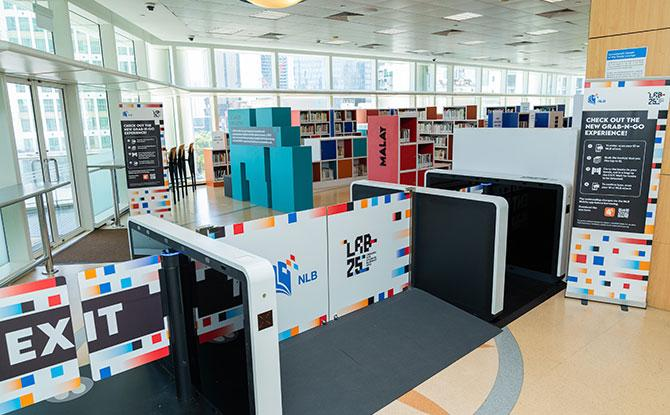
The National Library Board Singapore has been recognized globally for implementing highly automated library systems powered by RFID technology.
Many public libraries across Singapore feature:
- Self-service borrowing kiosks
- Automated return stations
- RFID security gates
- Smart shelf management
- Digital member integration
How the System Works
Step 1: RFID Tag Embedded in Each Book
Every book contains an HF RFID label storing:
- Item ID
- Library classification
- Security status
- Circulation metadata
Step 2: User Authentication
Patrons authenticate using:
- Library cards
- Student IDs
- NFC mobile devices
Step 3: Self-Checkout
Users place multiple books on the RFID reading pad.
The system:
- Reads all tags simultaneously
- Updates circulation records
- Disables security bits automatically
Checkout time is reduced from minutes to seconds.
Step 4: RFID Security Gates
If a book passes through the gate without proper checkout, the RFID EAS function triggers an alarm.
Operational Benefits Seen in Singapore Libraries
Faster Borrowing Experience
Users no longer queue for manual scanning.
Large stacks of books can be borrowed instantly.
Reduced Staffing Burden
Staff focus shifts from repetitive scanning tasks to:
- Research assistance
- Community programs
- Digital services
Improved Inventory Accuracy
Handheld RFID readers allow rapid shelf auditing.
Misplaced books can be located quickly.
Better User Satisfaction
Automated systems support:
- 24/7 return stations
- Faster circulation
- Contactless interaction
This became especially valuable during post-pandemic digital transformation initiatives.
Case Study 2: University Libraries Using RFID Systems
University libraries worldwide increasingly use RFID for managing large academic collections.
Common deployment environments include:
- Engineering libraries
- Medical libraries
- Research archives
- Campus learning centers
Typical Challenges in University Libraries
Academic institutions often manage:
- Millions of circulating items
- High student traffic
- Shared inter-campus collections
- Short-term lending cycles
Manual barcode operations become inefficient at scale.
RFID Applications in University Libraries
Self-Service Checkout Stations
Students borrow books independently using:
- RFID kiosks
- Student cards
- NFC-enabled smartphones
This reduces congestion during:
- Semester openings
- Exam seasons
- Research project periods
Smart Inventory Management
Staff use portable RFID readers to:
- Scan entire shelves rapidly
- Detect missing books
- Identify incorrectly shelved materials
Inventory tasks that once required weeks can often be completed within days.
Automated Return and Sorting
Advanced university libraries deploy:
- Smart return bins
- Conveyor sorting systems
- RFID-based item routing
Books are automatically sorted according to destination or category.
How RFID Self-Checkout Systems Work
A typical RFID self-checkout ecosystem includes several components.
1. RFID Library Tags
Installed inside books or media.
Usually based on:
- ISO 15693
- HF 13.56 MHz chips
2. RFID Reader Pad
Installed inside:
- Kiosks
- Service desks
- Return stations
Reads multiple items simultaneously.
3. Library Management Software
Integrated with:
- ILS (Integrated Library System)
- SIP2 protocol
- User database
- Borrowing rules
4. Security Gates
Detect unauthorized removal of materials.
5. Handheld RFID Readers
Used for:
- Inventory audits
- Shelf management
- Lost item detection
Why NFC Technology Matters in Modern Libraries
NFC-compatible RFID systems allow integration with smartphones.
Potential applications include:
- Mobile library cards
- Tap-to-borrow experiences
- Interactive digital content
- Smart campus ecosystems
As universities move toward digital campuses, NFC integration becomes increasingly attractive.
Technical Considerations for RFID Library Deployments
Tag Durability
Library tags must survive:
- Frequent handling
- Repeated circulation
- Environmental wear
- Book bending
High-quality adhesive and antenna design are critical.
Read Accuracy
Dense bookshelves create RF challenges.
Libraries need:
- Optimized antenna tuning
- Anti-collision support
- Stable reader firmware
Data Standards
Compatibility with global library standards is essential.
Common protocols include:
- SIP2
- ISO 28560
- ISO 15693
Privacy Considerations
Most library RFID systems store only item identifiers, not personal borrowing data.
This minimizes privacy risks.
Business Benefits for Libraries
Reduced Operating Costs
RFID reduces:
- Manual circulation labor
- Inventory time
- Book loss rates
Increased Throughput
Libraries can handle larger visitor volumes without expanding staff.
Better Asset Visibility
Real-time tracking improves collection management.
Enhanced Modernization
RFID systems support:
- Smart campuses
- Digital transformation
- Contactless services
Future Trends in RFID Library Technology
Several emerging trends are shaping the future of library automation.
AI + RFID Integration
Libraries are beginning to combine:
- AI analytics
- RFID circulation data
- User behavior insights
Mobile NFC Borrowing
Smartphones may eventually replace physical library cards entirely.
Smart Shelves
RFID-enabled shelves can:
- Detect missing books
- Monitor real-time availability
- Provide automatic inventory updates
Cloud-Based Library Systems
Cloud integration enables:
- Centralized management
- Multi-branch synchronization
- Real-time reporting
Conclusion
RFID and NFC library tags are transforming modern libraries from manual circulation environments into intelligent, automated service ecosystems.
From the highly efficient public libraries in Singapore to advanced university campuses worldwide, RFID self-checkout systems deliver measurable improvements in:
- User experience
- Operational efficiency
- Inventory accuracy
- Security management
As libraries continue digitizing their services, NFC and RFID technologies will remain foundational infrastructure for the next generation of smart learning environments.


