Biometric passports have become the global standard for secure international travel. But many travelers and even procurement professionals still ask a simple question:
How do you know if your passport is biometric?
In this guide, we’ll break down how to identify a biometric passport, how it works, and why it matters in modern border control systems.
1. What Is a Biometric Passport?
A biometric passport (also called an e-passport) is a traditional passport enhanced with an embedded RFID (Radio Frequency Identification) chip.
This chip securely stores:
- Your personal identity data
- A digital version of your passport photo
- In some countries, fingerprints or iris data
The goal is to enable fast, automated identity verification at borders using contactless technology.
2. The Easiest Way to Check: Look for the Biometric Symbol
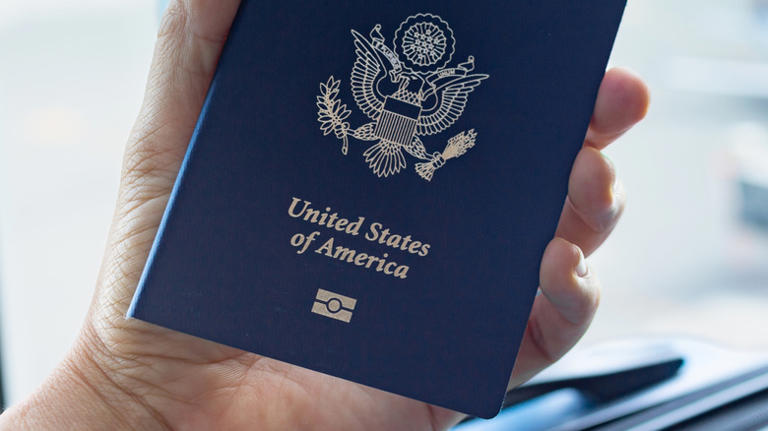
The simplest way to identify a biometric passport is by checking the cover.
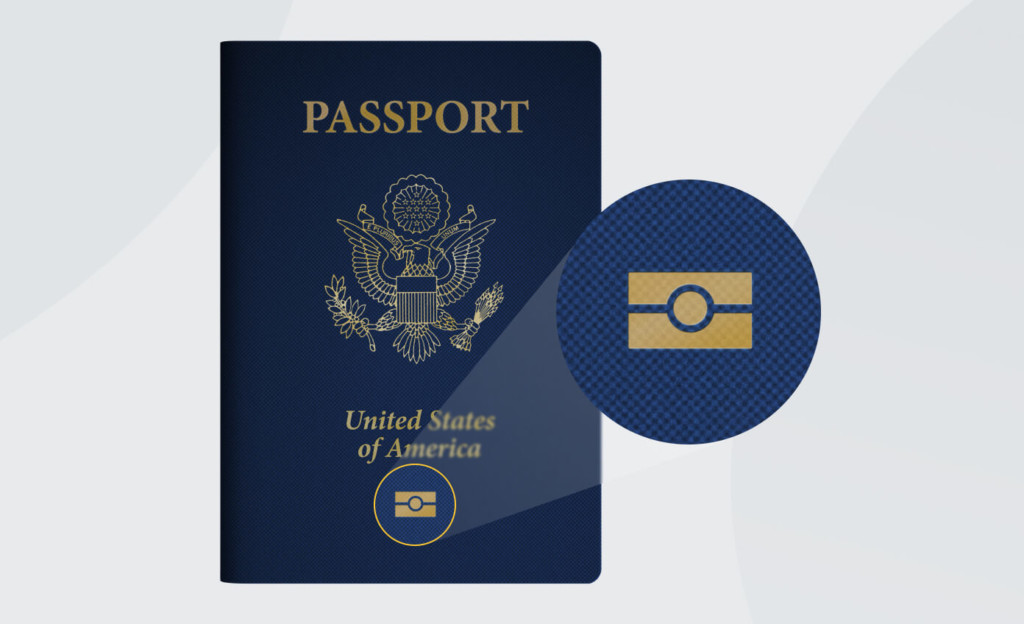
✔ Look for this symbol:
- A small rectangular icon with a circle inside
- Usually printed at the bottom of the passport cover
This is the international e-passport symbol, defined by the International Civil Aviation Organization (ICAO).
If your passport has this symbol, it contains an RFID chip.
3. Where Is the RFID Chip Located?
In most biometric passports:
- The RFID chip is embedded in:
- The front cover, or
- The back cover, or
- The data page (polycarbonate page)
The chip is invisible and cannot be removed without damaging the passport.
4. Check the Data Page (Advanced Method)
Open your passport and look at the main information page.
Signs of a biometric passport include:
- A thicker, rigid polycarbonate page
- Laser-engraved photo instead of printed
- Additional security elements (holograms, ghost images)
These features are typically paired with RFID functionality.
5. When Did Biometric Passports Become Standard?
Most countries began issuing biometric passports after 2006, following global security initiatives led by the International Civil Aviation Organization.
General rule:
- Issued before 2006 → likely NOT biometric
- Issued after 2010 → almost certainly biometric
Today, over 150+ countries issue e-passports as the default.
6. Can You Scan or Detect the RFID Chip Yourself?
Technically, yes—but not easily without equipment.
To read a passport chip, you would need:
- An NFC-enabled device (smartphone or reader)
- A compatible app (passport reader software)
- The passport’s Machine Readable Zone (MRZ) for authentication
The chip is protected by Basic Access Control (BAC), meaning it cannot be read without permission.
7. Why Biometric Passports Matter
Biometric passports are a core part of modern border security systems.
Key benefits:
1. Faster Immigration Processing
- Automated eGates at airports
- Reduced wait times
2. Higher Security
- Difficult to forge or duplicate
- Cryptographic authentication
3. Global Interoperability
- Standardized by International Civil Aviation Organization
- Works across international borders
8. Privacy and Security Considerations
Many people worry about RFID tracking—but biometric passports are designed with strong safeguards:
- Short read range (a few centimeters)
- Encrypted data storage
- Shielded passport covers to prevent unauthorized scanning
In practice, the risk of unauthorized reading is extremely low.
9. Common Questions
Is a biometric passport the same as an NFC passport?
Yes. The RFID chip inside uses NFC (Near Field Communication) technology.
Do all countries require biometric passports?
Most countries accept them, and many require them for visa-free entry programs.
Can a biometric passport stop working?
Rarely, but if the chip is damaged:
- The passport is still usable
- You may need manual inspection at borders
Final Answer: How Do You Know If Your Passport Is Biometric?
To summarize:
✔ Look for the biometric symbol on the cover
✔ Check if it was issued after ~2010
✔ Inspect for advanced security features
If these are present, your passport is almost certainly biometric (RFID-enabled).
Why This Matters for the RFID Industry
Biometric passports are one of the most widely deployed RFID applications globally, demonstrating:
- Large-scale secure chip deployment
- Standardized data structures
- High-reliability contactless reading
For businesses working with RFID, this is a benchmark use case of how secure identification systems operate at a global level.

About XIUCHENG RFID
XIUCHENG RFID specializes in manufacturing a wide range of RFID products, including RFID Silicone Wristbands, Tyvek Wristbands, Fabric Wristbands, Elastic Wristbands, Vinyl Wristbands, RFID Laundry Tags, Animal Tags, and RFID Cards. All products are produced under strict quality control and advanced production technology.
With 12 years of experience in wristband design, tag design, quality management, and customer relationship management, we have built a solid foundation for delivering reliable and high-performance RFID solutions.