The rental industry is fundamentally an asset-driven business model. Whether you manage construction equipment, event furniture, medical devices, tools, or high-value electronics, your profitability depends on one core factor: how efficiently you track, utilize, and protect your assets.
This is where RFID (Radio Frequency Identification) becomes a strategic infrastructure—not just a tracking tool.
What Is RFID in Rental Businesses?
RFID in rental operations refers to embedding RFID tags into rentable assets and using RFID readers to automatically identify, track, and manage those items throughout their lifecycle.
Unlike barcodes, RFID does not require line-of-sight scanning. This means:
- Bulk scanning of hundreds of items in seconds
- Real-time visibility across warehouses, trucks, and customer sites
- Reduced manual labor and human error
For rental companies, this translates directly into higher inventory accuracy, faster turnaround times, and reduced asset loss.
Why Rental Businesses Are Rapidly Adopting RFID
1. Asset Loss Is a Hidden Profit Killer
In rental businesses, shrinkage comes from:
- Misplaced equipment
- Unreturned rentals
- Theft or internal mismanagement
RFID enables automated check-in/check-out validation, ensuring every item is accounted for before and after rental cycles.
2. Manual Tracking Doesn’t Scale
Traditional systems rely on:
- Excel sheets
- Barcode scanning
- Paper-based logs
These methods break down as inventory grows. RFID replaces manual workflows with automated, scalable asset intelligence systems.
3. Faster Turnaround = More Revenue
With RFID:
- Incoming items are scanned instantly in bulk
- Sorting and reallocation become automated
- Downtime between rentals is minimized
For high-demand industries like event rentals or tool hire, even a 10–20% efficiency gain can significantly increase revenue.
Core RFID Components for Rental Systems
A complete RFID solution consists of three layers:
1. RFID Tags (Attached to Assets)
Different rental industries require different tag types:
- UHF RFID Tags – Long-range tracking (3–10 meters), ideal for warehouses and yards
- NFC Tags – Short-range interaction for customer-facing use (e.g., tap-to-view rental info)
- On-metal RFID Tags – Designed for tools and machinery
Key manufacturing considerations:
- Durability (waterproof, dustproof, impact-resistant)
- Adhesion or mounting method
- Read performance in complex environments
2. RFID Readers
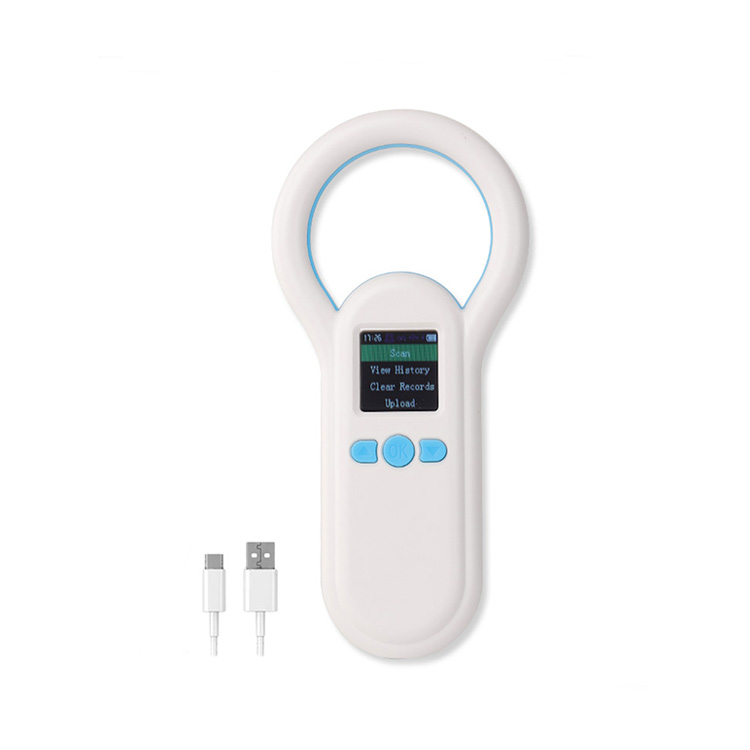
- Handheld readers for inventory audits
- Fixed readers for warehouse gates and loading zones
- Desktop readers for check-in/check-out stations
3. RFID Software System
The software layer connects RFID hardware to business operations:
- Asset database
- Rental status tracking
- Alerts for missing or overdue items
- Integration with ERP or rental management systems
Key RFID Use Cases in Rental Businesses
1. Automated Check-In and Check-Out
At dispatch:
- RFID gate scans all outgoing items automatically
- System verifies order accuracy
At return:
- Bulk scanning confirms all items are returned
- Missing items are flagged instantly
2. Real-Time Inventory Visibility
RFID enables:
- Instant inventory counts
- Location tracking within warehouses
- Identification of idle vs. active assets
This is critical for optimizing utilization rates.
3. Loss Prevention and Anti-Theft
Fixed RFID portals can:
- Detect unauthorized asset movement
- Trigger alarms for unregistered removals
This is particularly valuable for:
- Construction equipment rentals
- Medical device leasing
- High-value AV equipment
4. Maintenance and Lifecycle Tracking
Each RFID tag acts as a digital identity:
- Track usage frequency
- Schedule preventive maintenance
- Record repair history
This extends asset lifespan and improves compliance.
5. Customer Experience Enhancement
With NFC-enabled RFID:
- Customers can tap items to access manuals or return instructions
- Digital contracts and asset info can be linked directly
Industry-Specific RFID Applications
Construction Equipment Rental
- Track heavy machinery across yards and job sites
- Use rugged on-metal tags
- Integrate with GPS for hybrid tracking
Event and Party Rental
- Chairs, tables, tents, decor items
- Bulk scanning dramatically reduces sorting time
- Ideal for high-volume, fast-turnaround operations
Tool Rental
- Small, high-loss items benefit most from RFID
- Improves accountability and reduces shrinkage
Medical Equipment Rental
- Track compliance-sensitive devices
- Ensure proper sterilization cycles
- Maintain audit trails
RFID vs Barcode in Rental Operations
| Feature | RFID | Barcode |
|---|---|---|
| Scan speed | Bulk (100+ items) | One-by-one |
| Line of sight | Not required | Required |
| Durability | High | Medium |
| Automation level | High | Low |
| Accuracy | 99%+ | Depends on manual input |
For rental businesses scaling beyond a few hundred assets, RFID becomes the more cost-effective system over time.
Cost Considerations: Is RFID Worth It?
Initial Investment
- RFID tags: $0.10 – $5+ depending on type
- Readers: $500 – $3000+
- Software integration
ROI Drivers
- Reduced asset loss
- Lower labor costs
- Faster inventory cycles
- Increased asset utilization
Most rental companies see ROI within 6–18 months, especially in high-volume operations.
How to Implement RFID in a Rental Business
Step 1: Asset Audit
Identify:
- Asset types
- Quantity
- Material (metal, plastic, fabric)
- Environment (indoor, outdoor, harsh conditions)
Step 2: Tag Selection (Critical Step)
As an RFID manufacturer, this is where expertise matters:
- Choose correct frequency (UHF vs NFC)
- Select proper encapsulation
- Test read performance in real scenarios
Step 3: Pilot Deployment
Start small:
- One warehouse
- One asset category
Measure:
- Read accuracy
- Time savings
- Workflow improvements
Step 4: System Integration
Integrate RFID data with:
- Rental management software
- ERP systems
- Inventory platforms
Step 5: Scale Gradually
Expand to:
- All inventory
- Multiple locations
- Advanced analytics
Common Mistakes to Avoid
- Choosing the wrong tag for metal or harsh environments
- Ignoring real-world testing before full deployment
- Underestimating software integration complexity
- Focusing only on hardware without workflow redesign
Future Trends: RFID + IoT in Rental
The next phase of rental intelligence includes:
- RFID + GPS hybrid tracking
- IoT sensors for usage monitoring
- Predictive maintenance using data analytics
- AI-driven inventory optimization
RFID is no longer just identification—it’s becoming the data backbone of smart rental ecosystems.
Final Thoughts: Why RFID Is a Competitive Advantage in Rental
Rental businesses are moving toward automation, visibility, and data-driven decision-making. RFID delivers all three.
From a manufacturer’s standpoint, the key is not just supplying tags—but delivering:
- Application-specific tag engineering
- System-level consulting
- Long-term scalability support
Companies that adopt RFID early gain a clear edge:
- Lower operational costs
- Higher asset turnover
- Stronger customer trust

About XIUCHENG RFID
XIUCHENG RFID specializes in manufacturing a wide range of RFID products, including RFID Silicone Wristbands, Tyvek Wristbands, Fabric Wristbands, Elastic Wristbands, Vinyl Wristbands, RFID Laundry Tags, Animal Tags, and RFID Cards. All products are produced under strict quality control and advanced production technology.
With 12 years of experience in wristband design, tag design, quality management, and customer relationship management, we have built a solid foundation for delivering reliable and high-performance RFID solutions.