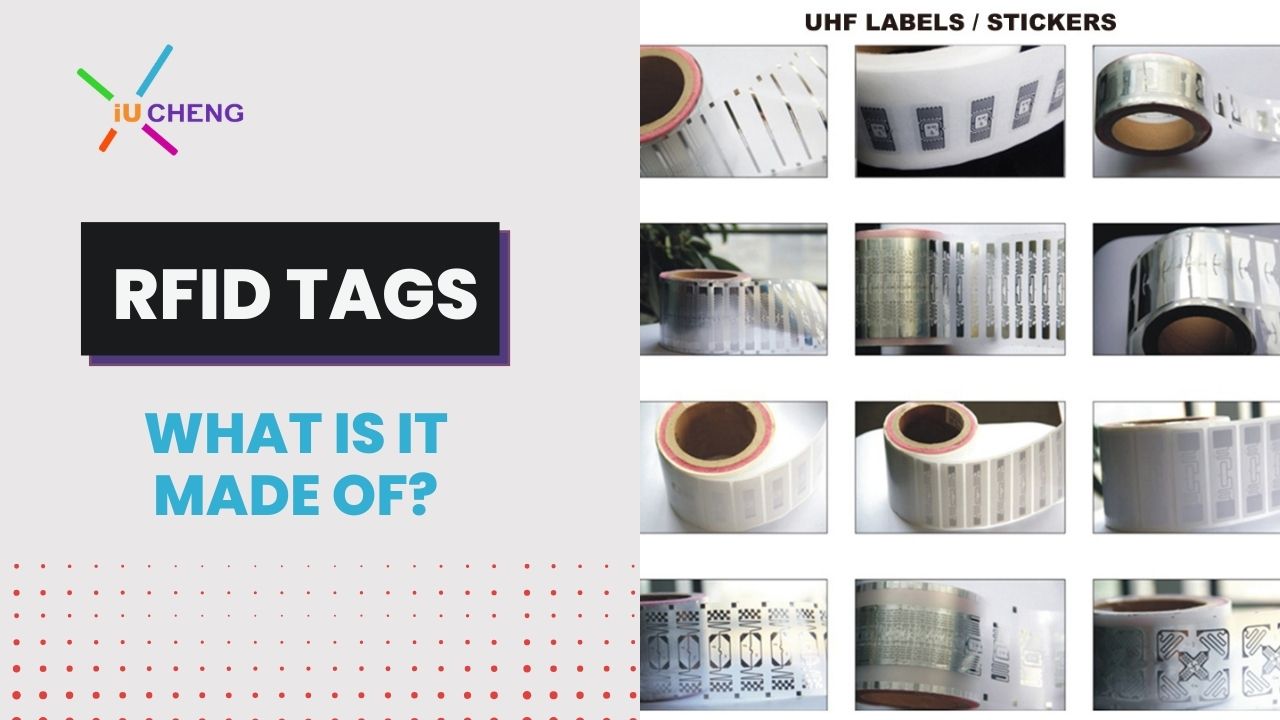
RFID technology is one of the foundational building blocks of the Internet of Things (IoT). From retail and logistics to access control and industrial automation, RFID tags quietly enable identification, tracking, and data exchange across billions of objects worldwide.
At the heart of every RFID system is the RFID tag. While it may look simple on the surface, an RFID tag is a carefully engineered combination of electronic and material components.
This guide breaks down what RFID tags are made of, how each component works, and why different designs exist for different applications.
1. Core Structure of an RFID Tag
An RFID tag is not a single component. It is a system-in-miniature, typically composed of:
- RFID chip (IC)
- RFID antenna
- Substrate (carrier material)
- Encapsulation or packaging (optional but critical)
Each element directly affects performance, durability, read range, and cost.
2. RFID Chip (IC): The Brain of the Tag
The RFID chip—also called an integrated circuit (IC)—is the data and logic center of the tag.
What the RFID Chip Does
An RFID chip typically includes:
- Logic control unit
- Memory (ROM, EEPROM, or SRAM depending on type)
- Modulator/demodulator
- Power management circuit
In passive RFID tags, the chip is powered by energy harvested from the reader’s RF field. In active tags, a battery supplies power.
Why Chip Choice Matters
Different chips determine:
- Frequency band (LF, HF, UHF)
- Memory capacity
- Security level (password, encryption, authentication)
- Compatibility with ISO standards
RFID Chip Categories by Frequency
| Chip Type | Frequency | Typical Standards | Common Use |
|---|---|---|---|
| LF RFID | 125–134.2 kHz | ISO 7814 / 7815 | Access control, animal ID |
| HF RFID | 13.56 MHz | ISO 14443 / 15693 | NFC, smart cards |
| UHF RFID | 860–960 MHz | ISO 18000-6C | Logistics, inventory |
3. RFID Antenna: Energy and Communication Interface
The antenna is responsible for two critical functions:
- Capturing RF energy from the reader
- Transmitting data back to the reader
Without a properly designed antenna, even the best RFID chip cannot perform reliably.
Antenna Design Depends on Frequency
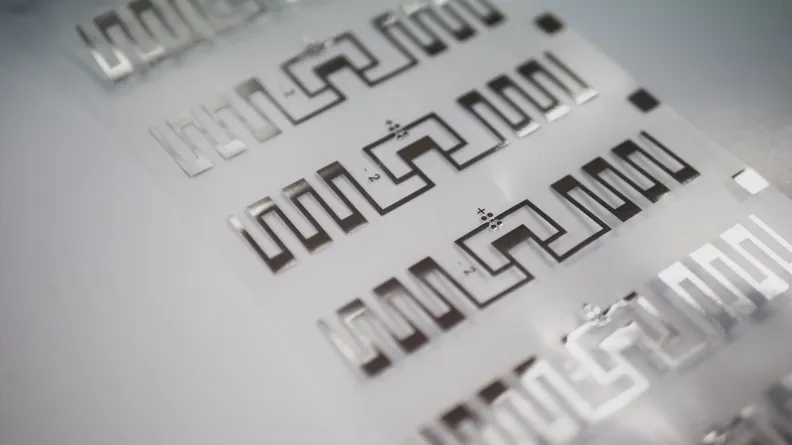
- LF & HF: Coil-based antennas (inductive coupling)
- UHF: Dipole or folded dipole antennas (far-field coupling)
Even when the same chip is used, antenna geometry can dramatically change:
- Read distance
- Orientation sensitivity
- Performance near metal or liquids
4. RFID Antenna Manufacturing Technologies
RFID antennas are produced using multiple industrial methods, each with trade-offs.
Common Antenna Types
Etched Antennas
- Made from aluminum or copper
- High precision, stable performance
- Most widely used in mass production
Printed Antennas
- Conductive ink or silver paste
- Lower cost and faster production
- Slightly lower long-term stability
Wound Antennas
- Copper wire coils
- Excellent performance in small form factors
- Higher cost, lower production speed
Ceramic Antennas
- Used for anti-metal and harsh environments
- High stability, high cost
Fragile Antennas
- Designed to break when removed
- Used for anti-tamper and security labels
5. Substrate: The Mechanical Foundation
The substrate holds the chip and antenna together and protects them during real-world use.
Common Substrate Materials
- PET
- PVC
- Paper
- PI (polyimide)
- PCB (rigid substrate)
Why Substrate Selection Is Critical
The substrate affects:
- Antenna tuning and resonance
- Environmental resistance (heat, moisture, chemicals)
- Flexibility and durability
- Application lifespan
For example, anti-metal RFID tags often require rigid or layered substrates to isolate the antenna from interference.
6. RFID Tag Packaging and Final Form Factors
Once chip, antenna, and substrate are assembled, the tag is packaged into its final form.
Major RFID Tag Formats
RFID Inlay
- Chip + antenna on substrate
- Semi-finished product
- Used by label and card manufacturers
RFID Labels
- Adhesive-backed
- Used in logistics, retail, assets

RFID Cards
- Laminated or glued
- Used for access control and identification

Specialty RFID Tags
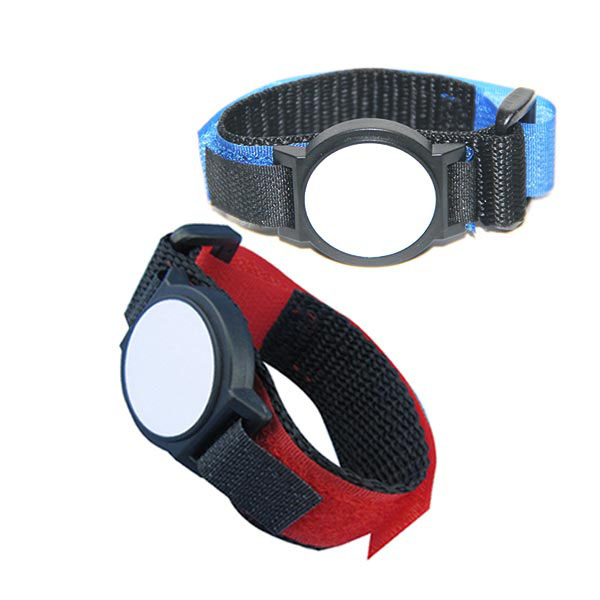
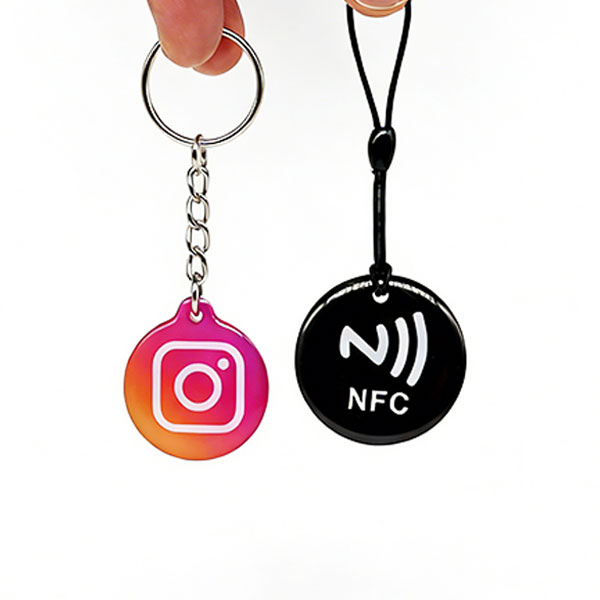
Packaging determines whether a tag is disposable, reusable, wearable, or industrial-grade.
7. How Components Affect RFID Tag Performance
Different combinations of components result in very different outcomes.
| Factor | Impact |
|---|---|
| Chip sensitivity | Read distance |
| Antenna geometry | Orientation & stability |
| Substrate material | Environmental resistance |
| Encapsulation | Mechanical durability |
This is why RFID tag design is application-driven, not one-size-fits-all.
8. Choosing the Right RFID Tag Configuration
When selecting an RFID tag, consider:
- Operating environment
- Required read range
- Data security level
- Tag lifetime
- Cost constraints
A logistics label, an animal implant, and an access control card may all use RFID—but their internal structures are fundamentally different.
Conclusion
An RFID tag is far more than a simple label. It is a precisely engineered system composed of a chip, antenna, substrate, and packaging—each playing a vital role in performance and reliability.
Understanding RFID tag components helps businesses, engineers, and procurement teams choose the right solution, avoid costly mistakes, and build scalable RFID systems.