


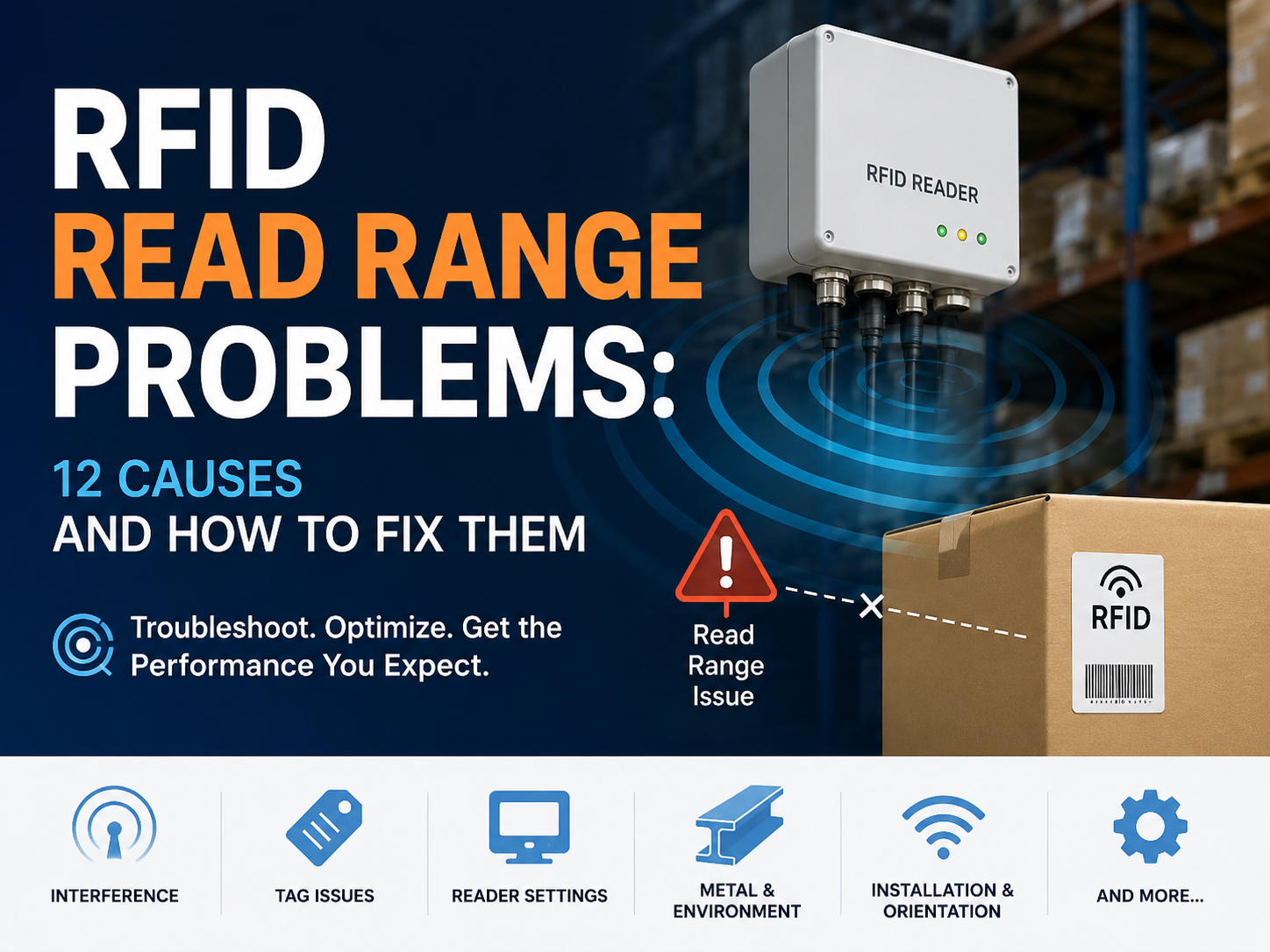
RFID Read Range Problems: 12 Causes and How to Fix Them
For any RFID system, read range is a critical performance metric. If your RFID tags aren’t reading at the expected distances, it can impact inventory

For any RFID system, read range is a critical performance metric. If your RFID tags aren’t reading at the expected distances, it can impact inventory
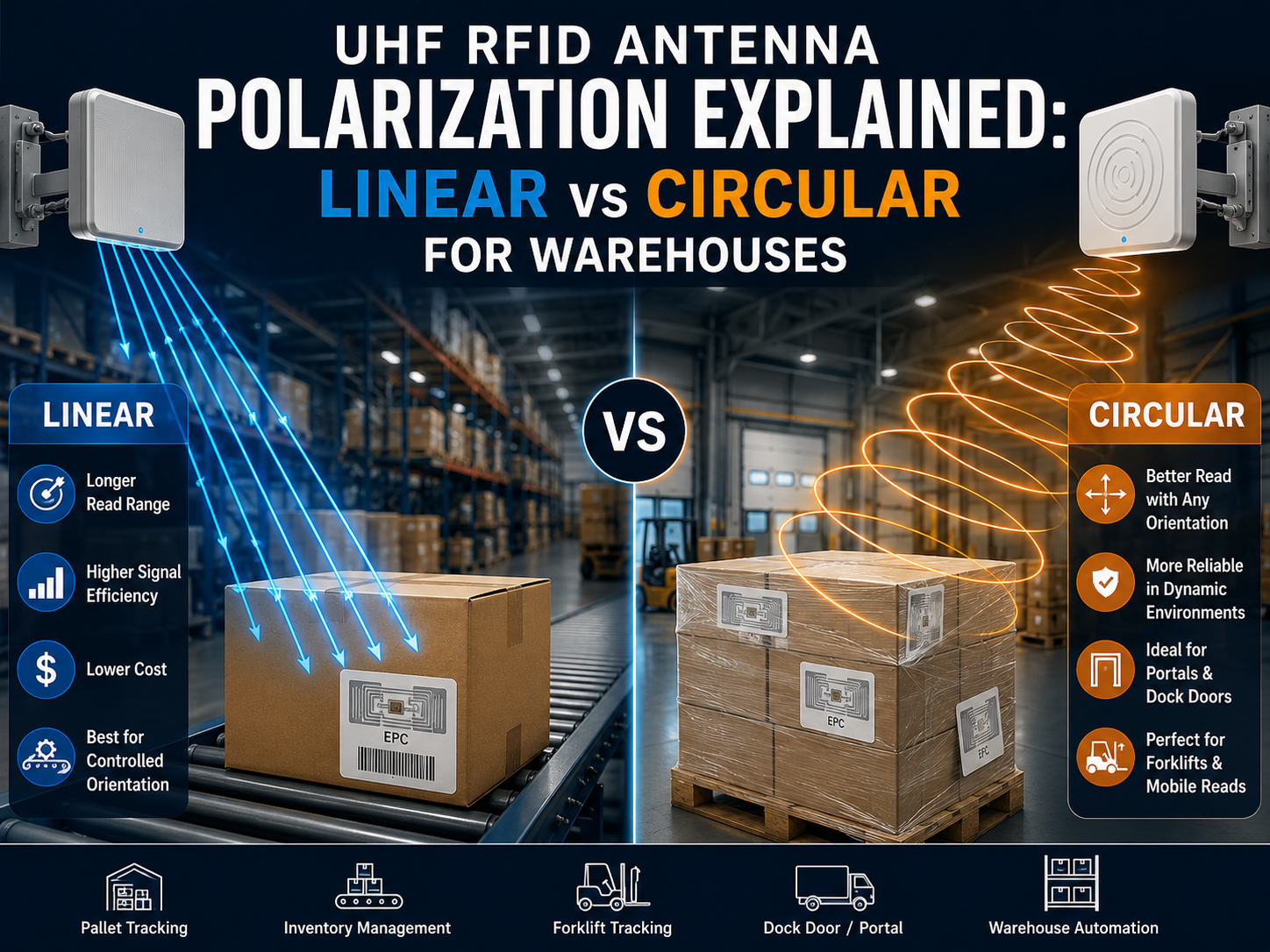
In warehouse RFID projects, readers, tags, and software often receive the most attention. However, one component can have a surprisingly large impact on system performance:
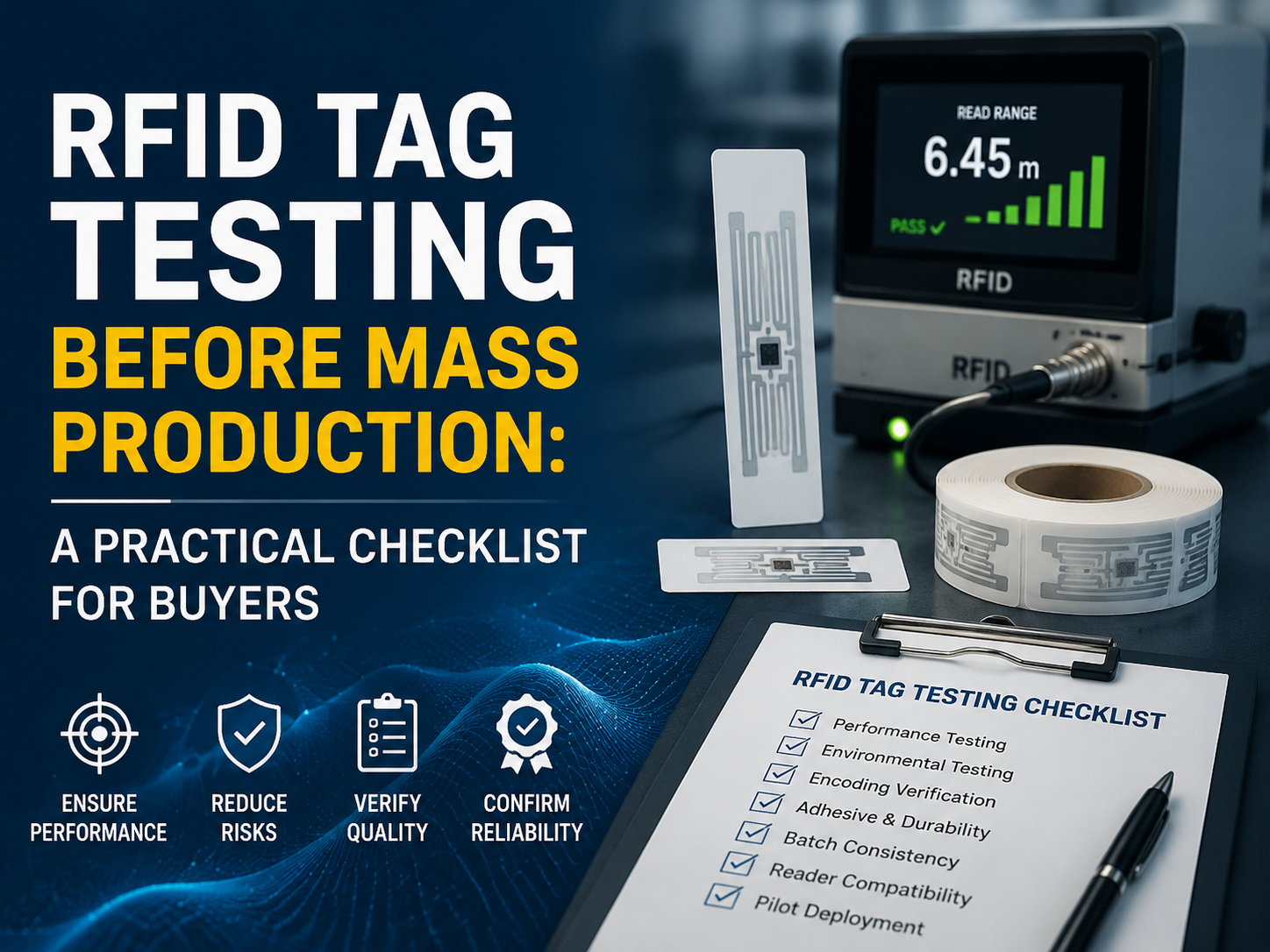
When companies begin an RFID deployment, most of the attention goes to software integration, reader installation, and process optimization. Surprisingly, one of the biggest causes
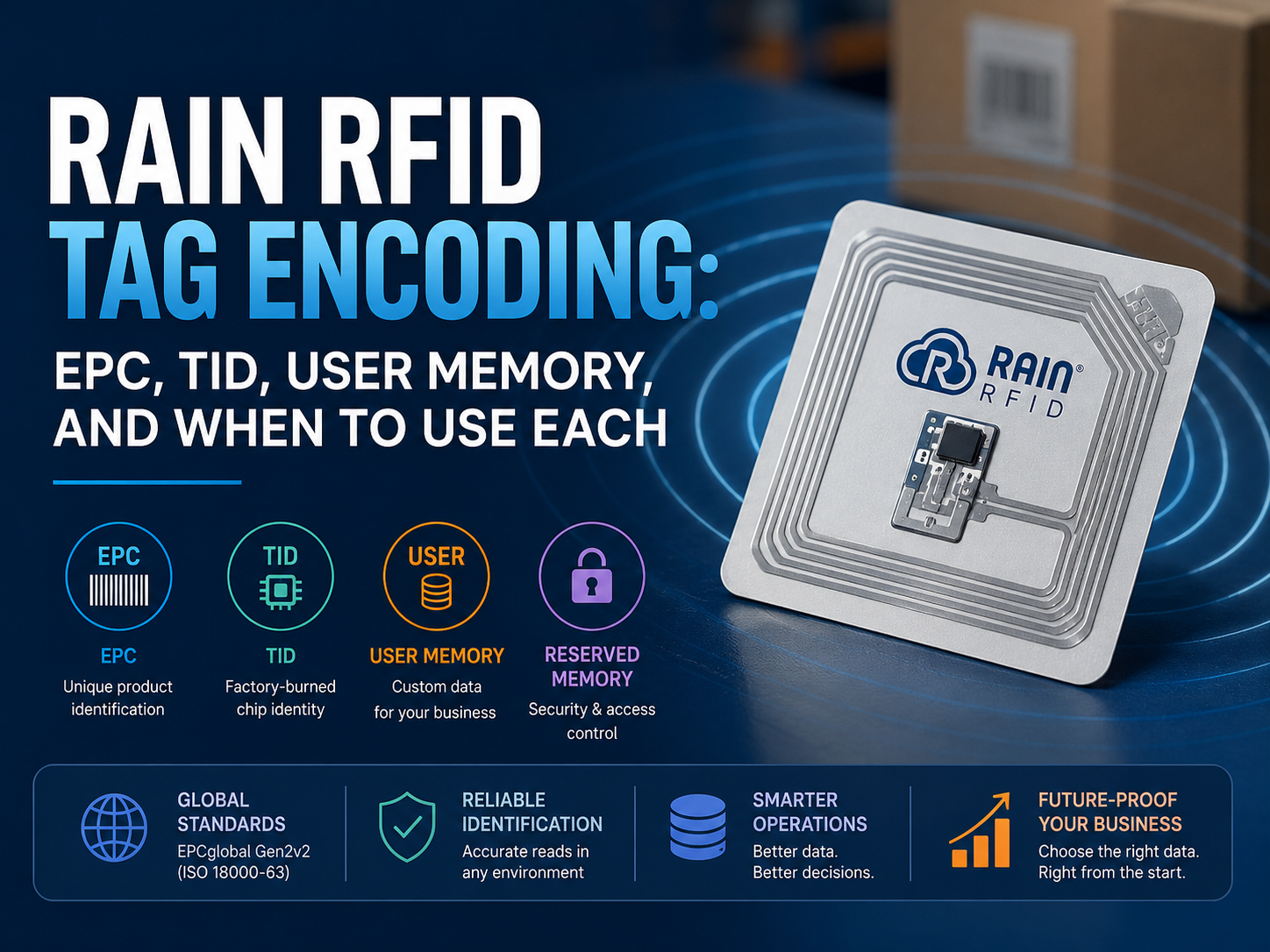
Before deploying millions of RFID tags across a supply chain, one small decision often creates the biggest headaches later: what data should actually be written
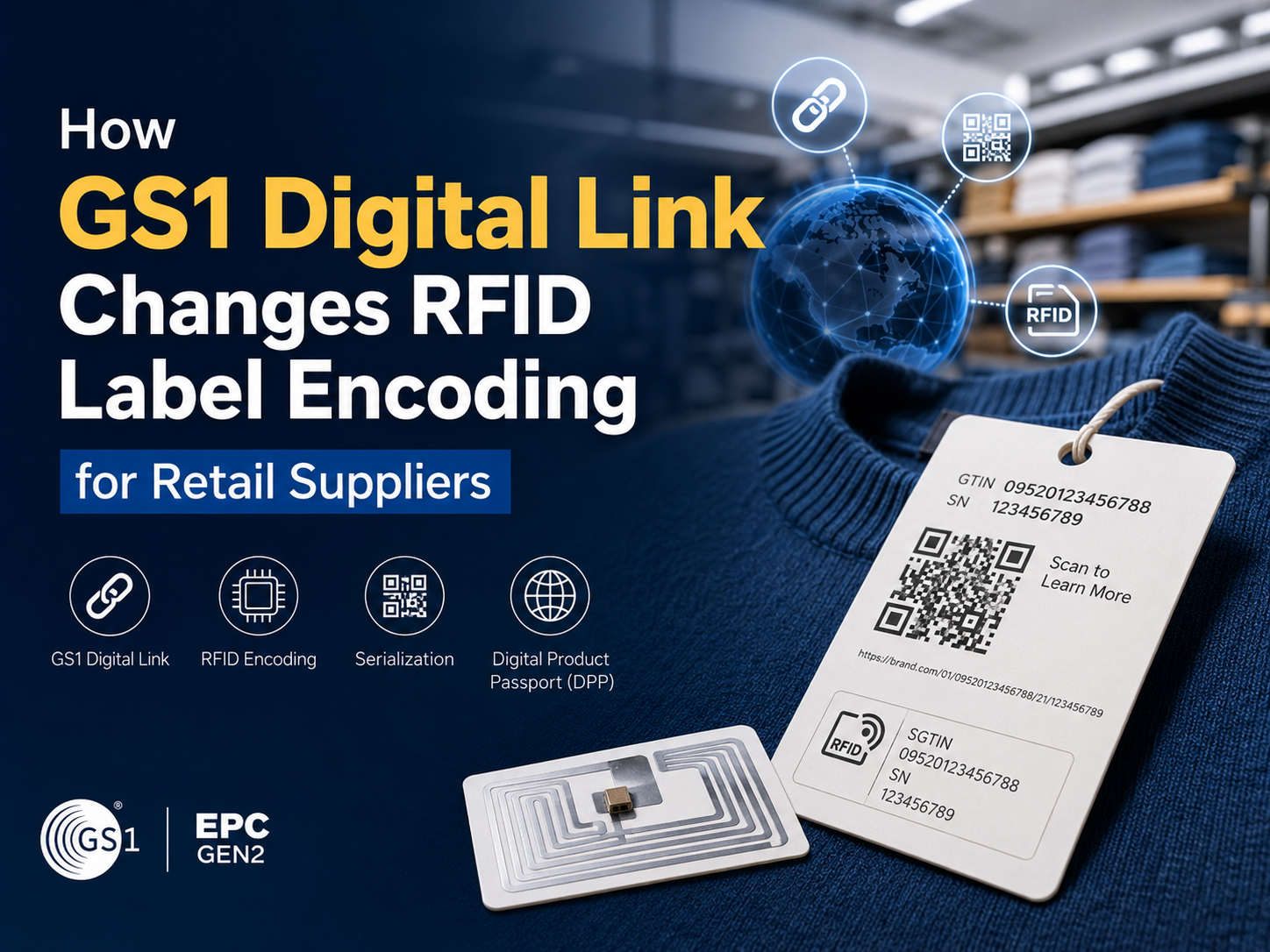
For years, RFID labels have primarily served one purpose: enabling automatic identification through EPC (Electronic Product Code) encoding. Retail suppliers would program a serial number
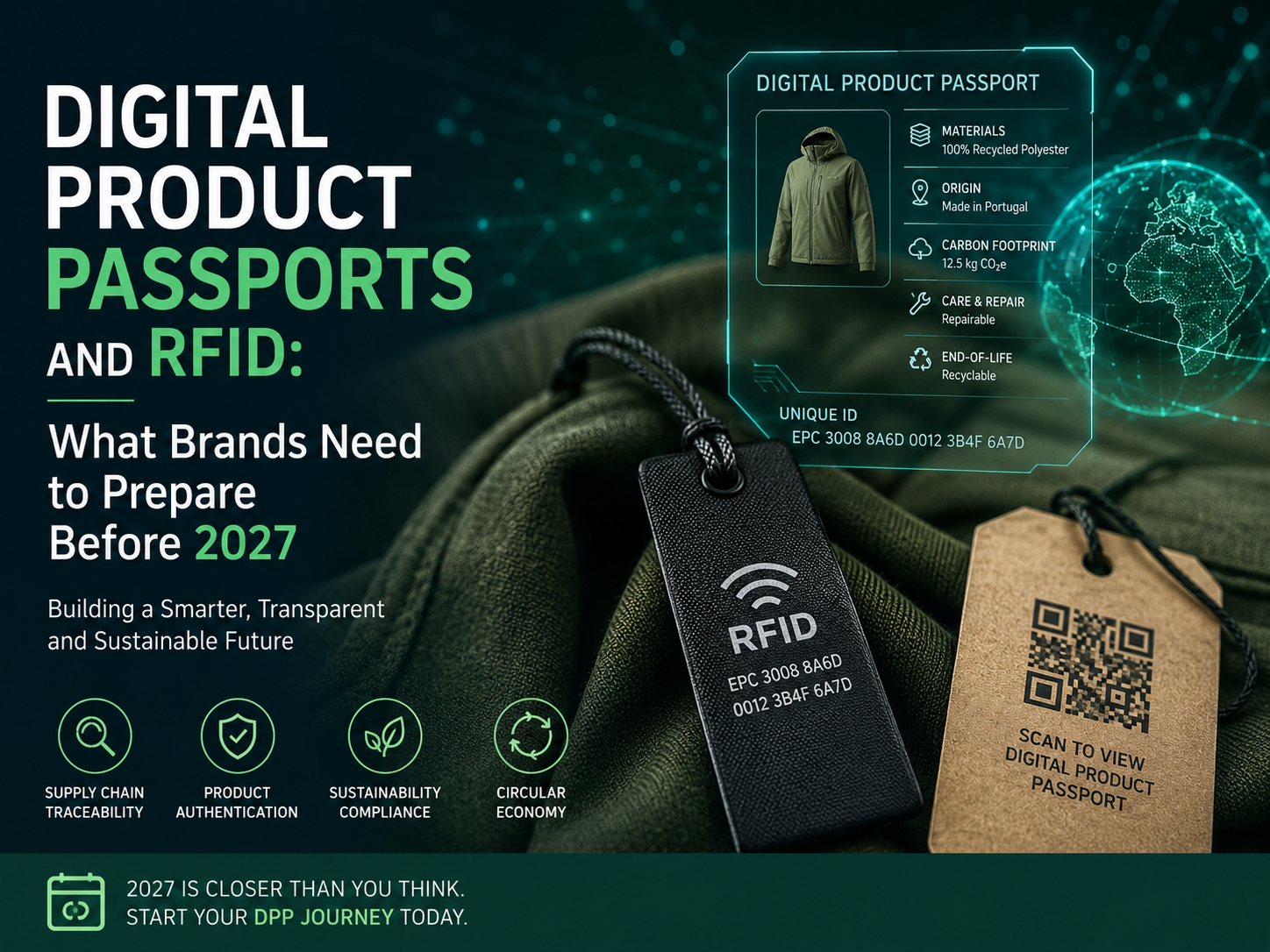
Across Europe and increasingly around the world, brands are facing a new reality: products will soon need to carry a digital identity that follows them

Supply chains are becoming more complex than ever. Global sourcing, rising customer expectations, labor shortages, and increasing operational costs are forcing businesses to seek smarter
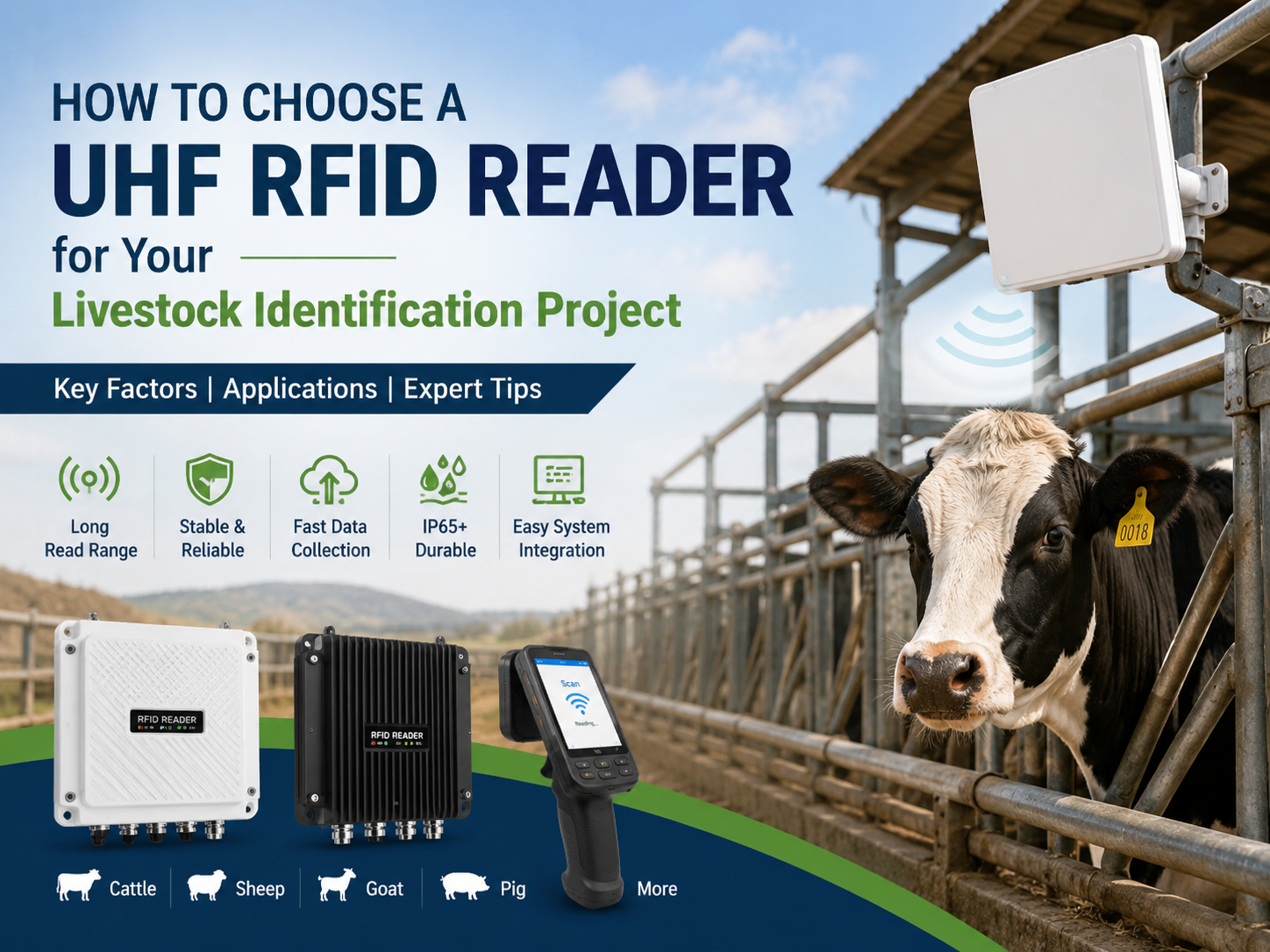
Livestock identification has become a critical part of modern animal farming. Whether managing cattle, sheep, goats, pigs, or other livestock, farmers and agricultural organizations increasingly

RFID technology is widely used for asset tracking, inventory management, logistics, manufacturing, and warehouse automation. In many RFID projects, users expect tags to perform consistently
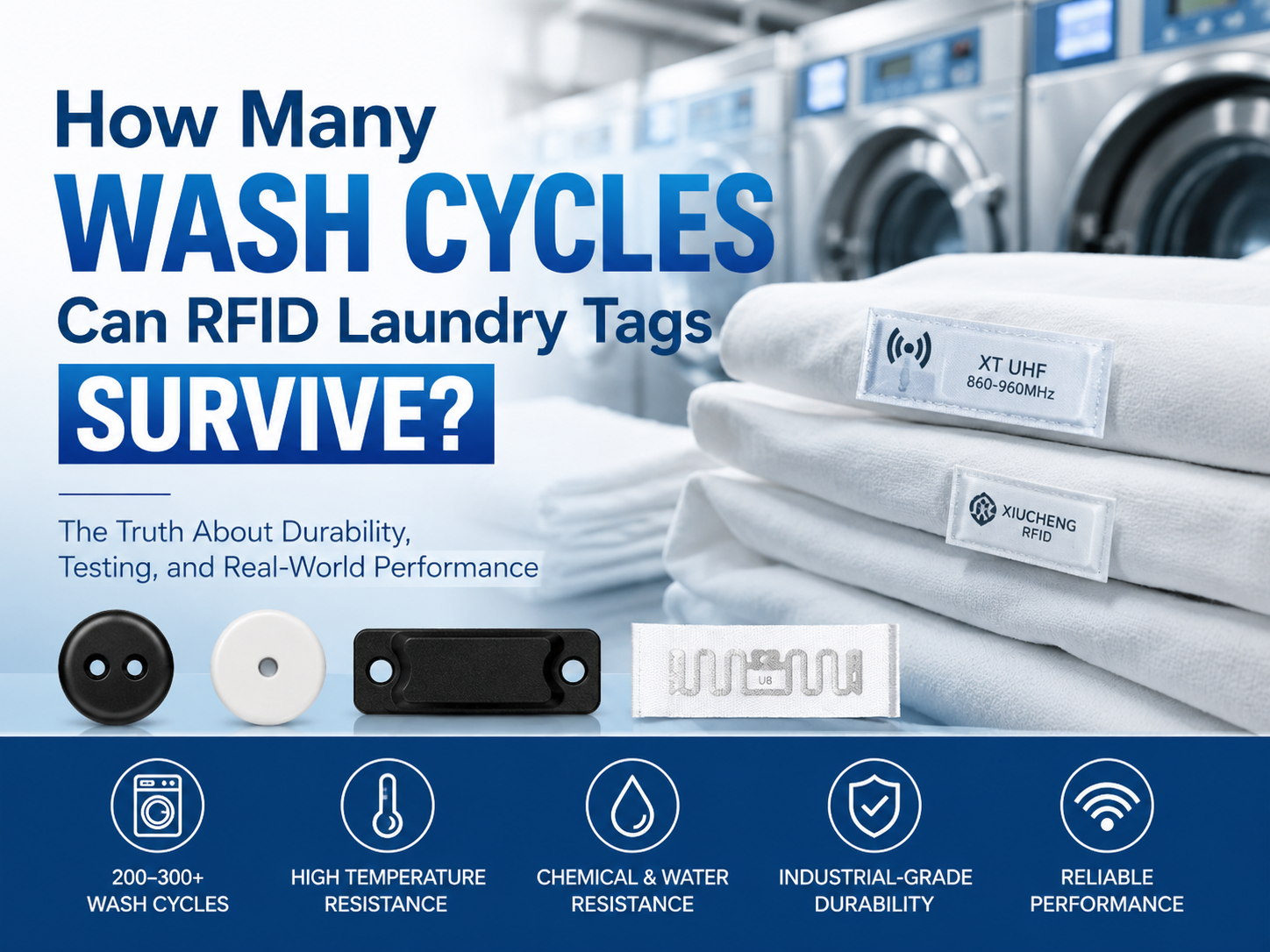
In commercial laundry environments, RFID laundry tags are exposed to some of the harshest operating conditions in the RFID industry. Industrial washing, high-temperature drying, chemical


