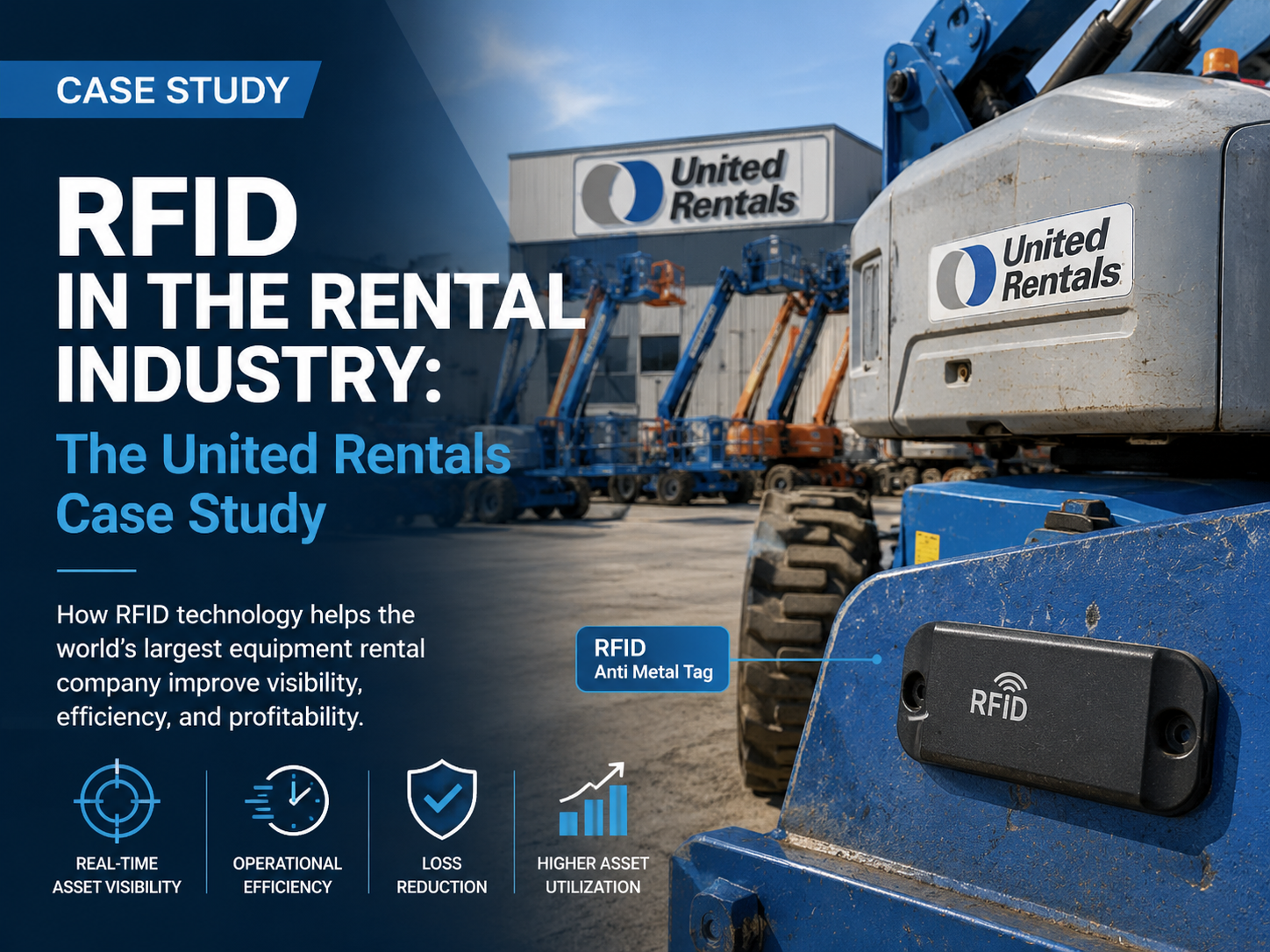
RFID in the Rental Industry: United Rentals Case Study
The global rental industry is built on one core principle: asset utilization. For companies managing thousands of generators, excavators, forklifts, aerial lifts, and construction tools

The global rental industry is built on one core principle: asset utilization. For companies managing thousands of generators, excavators, forklifts, aerial lifts, and construction tools

Losing a pet is every owner’s nightmare. Many people assume “pet tracking chips” work like GPS trackers, but that is not how pet RFID microchips

Every year, hundreds of thousands of people travel to the California desert for the Coachella Valley Music and Arts Festival. What began as a music
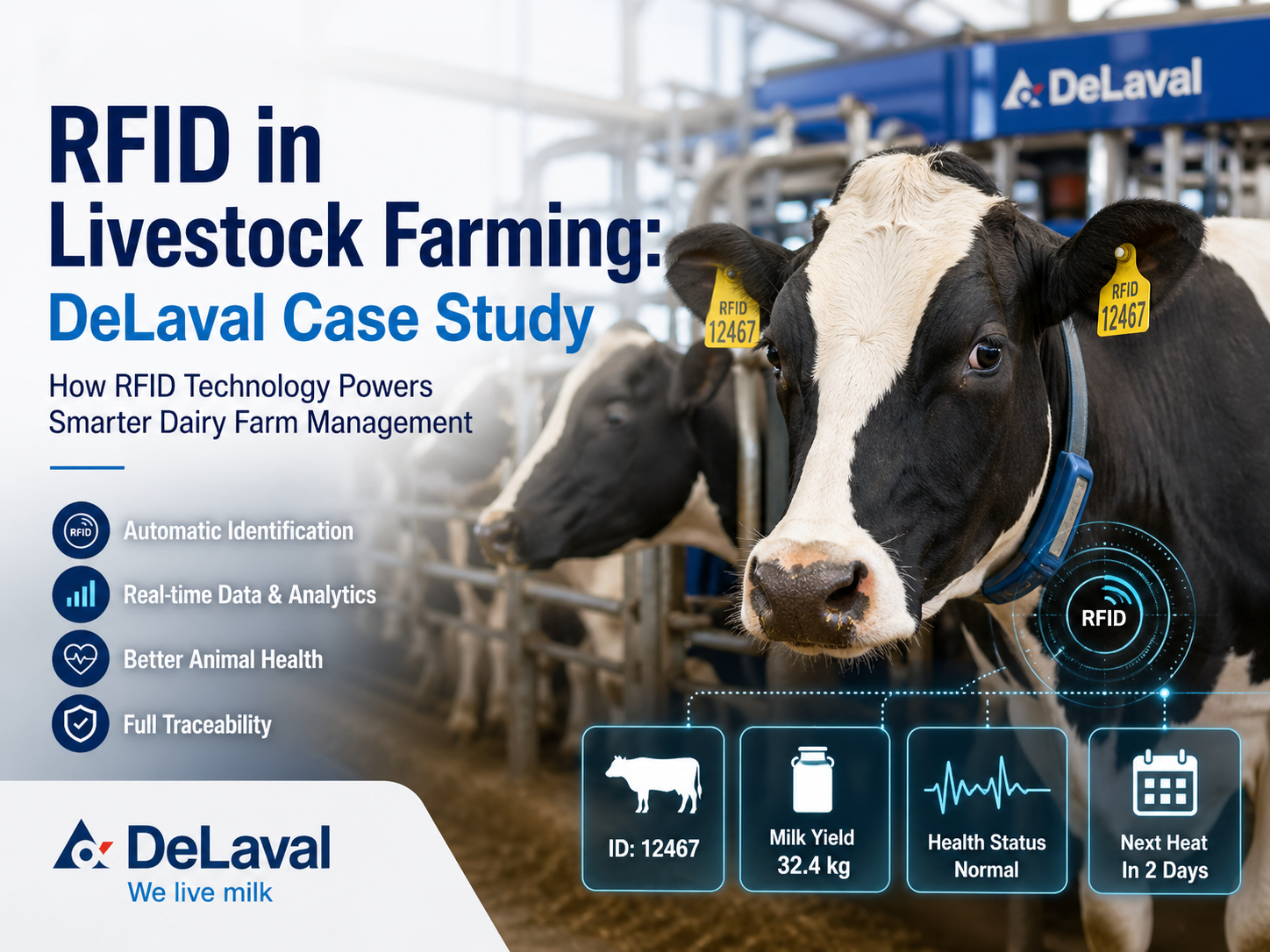
How RFID Helped Modernize Dairy Farm Management The livestock industry has changed dramatically over the last two decades. Dairy farms are no longer managed purely
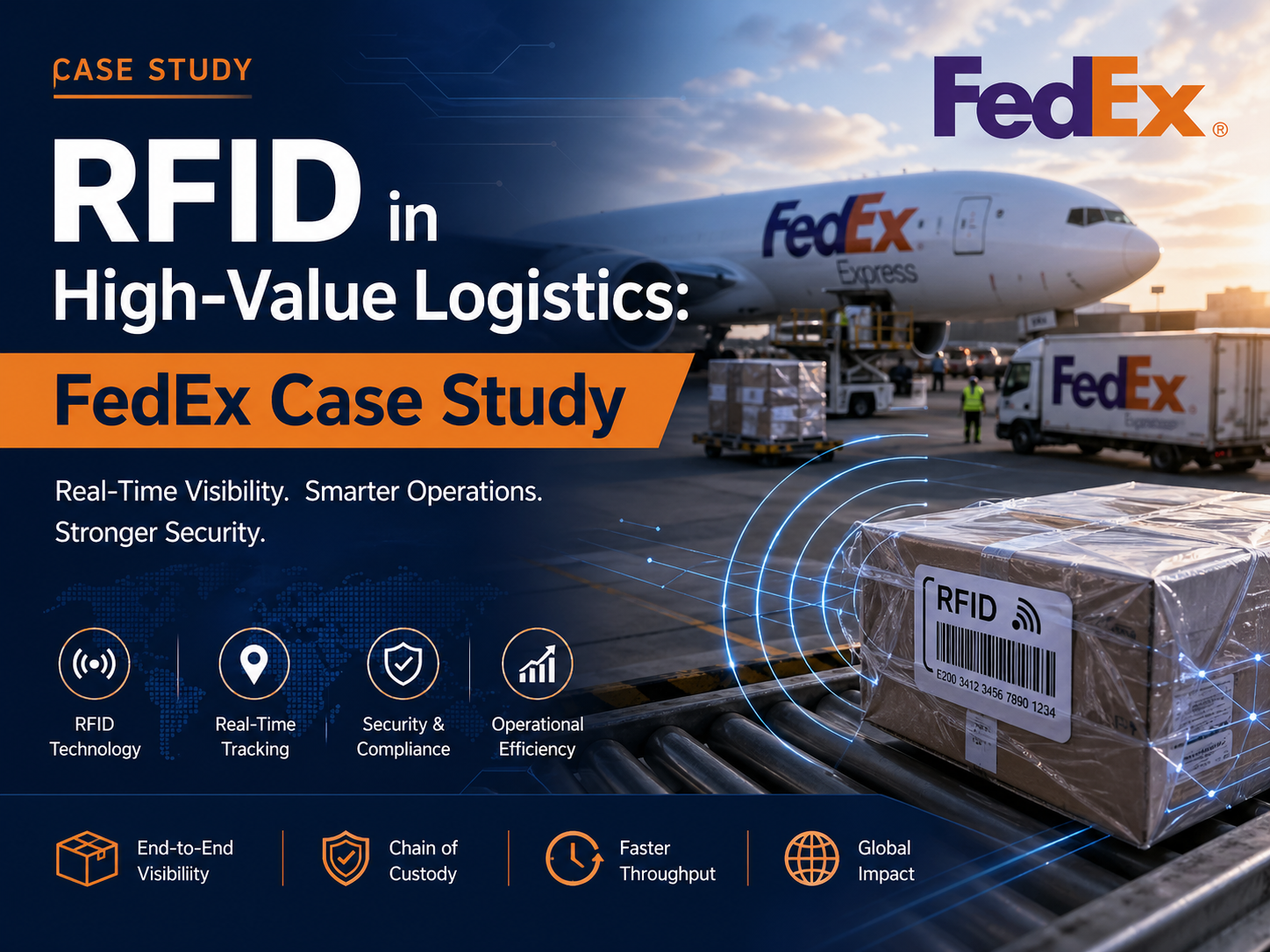
High-value logistics is one of the most demanding sectors in modern supply chain management. Shipments such as pharmaceuticals, luxury goods, aerospace components, sensitive electronics, and
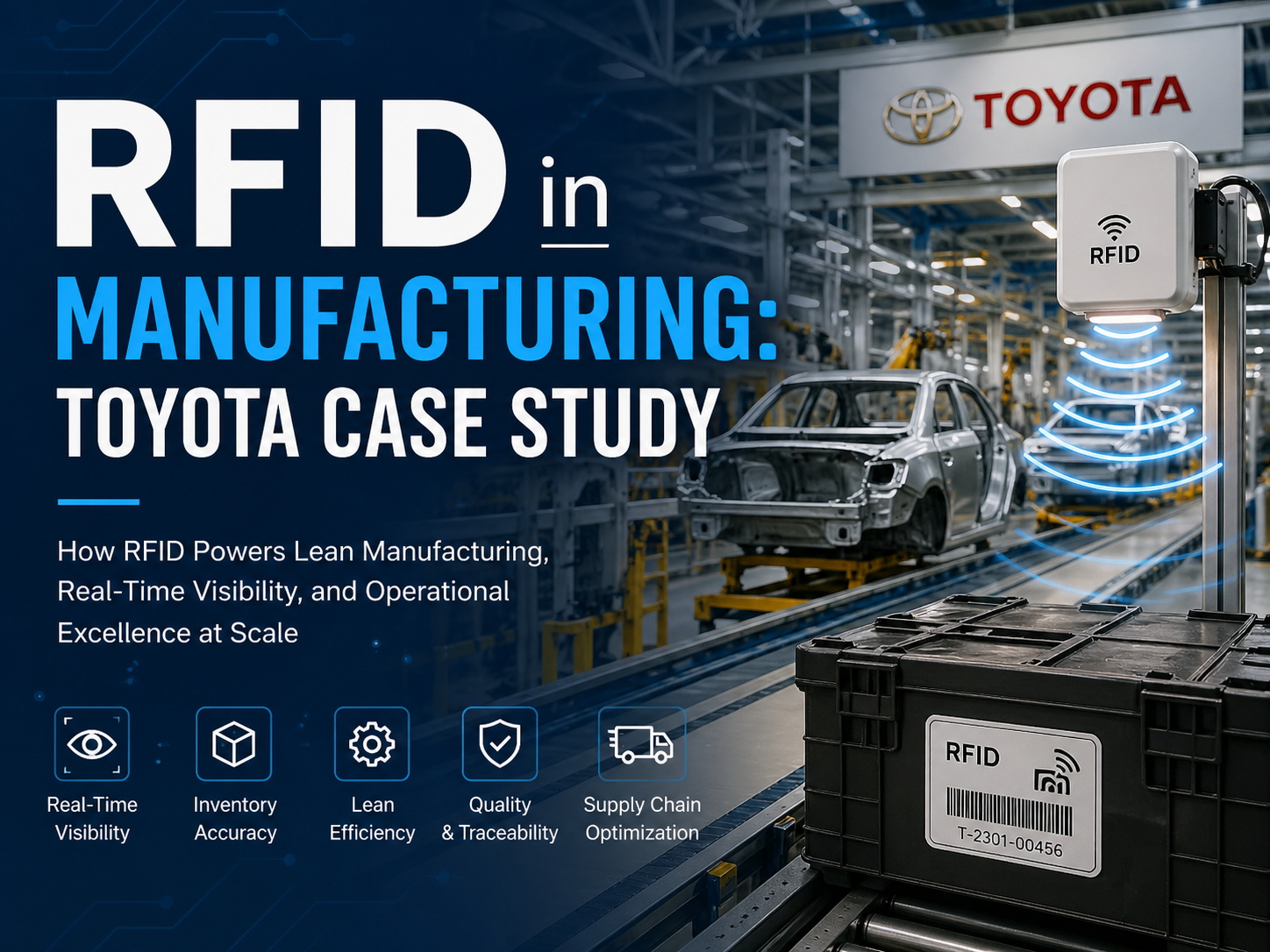
Manufacturing companies have spent decades trying to solve the same operational problems: inventory inaccuracies, production bottlenecks, missing parts, delayed shipments, and limited real-time visibility across

Creating your own Amiibo cards is no longer a niche hack—it’s a practical workflow used by gamers, collectors, and even small resellers. But in 2026,

For engineers, system integrators, and procurement teams evaluating mobile credentials, the question is straightforward: can an Android phone replace a physical RFID card? The precise
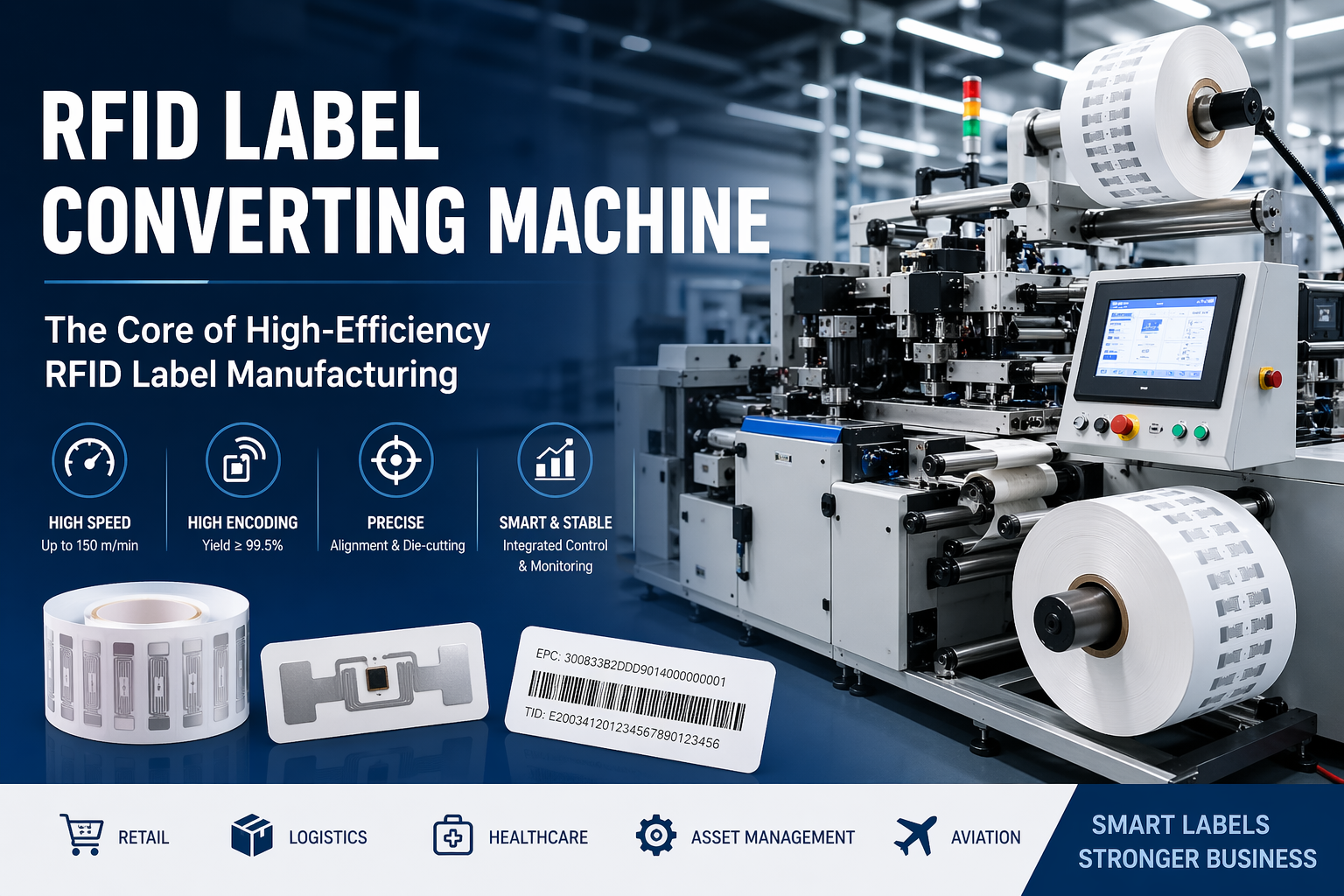
In the RFID industry, production efficiency is not defined by chip performance alone—it is determined by how precisely and consistently RFID labels can be converted

The rental industry is fundamentally an asset-driven business model. Whether you manage construction equipment, event furniture, medical devices, tools, or high-value electronics, your profitability depends