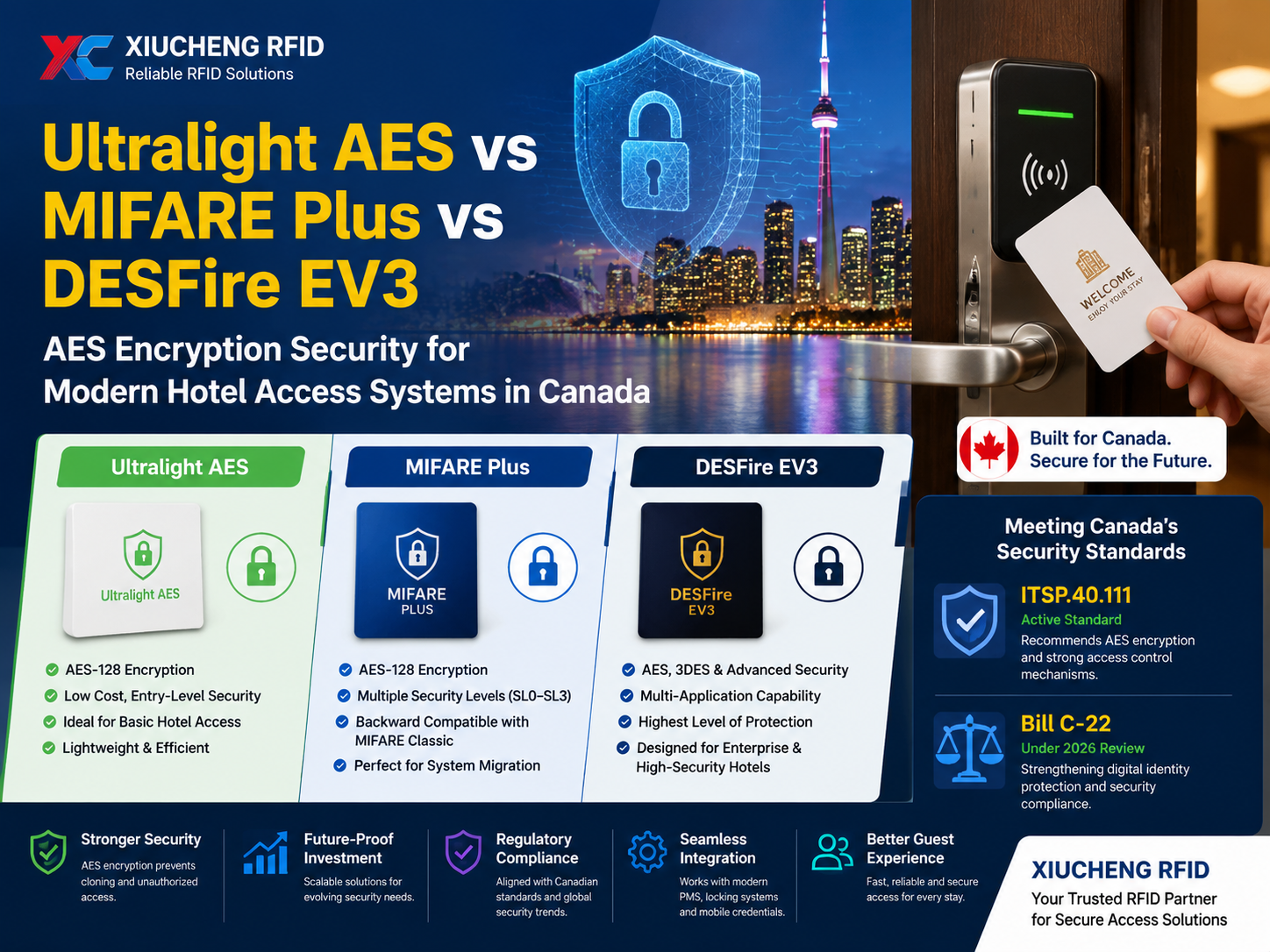
Ultralight AES vs MIFARE Plus vs DESFire EV3
As RFID access control systems evolve, security is no longer optional—it is the foundation of system design. Traditional RFID cards based on weak or proprietary

As RFID access control systems evolve, security is no longer optional—it is the foundation of system design. Traditional RFID cards based on weak or proprietary
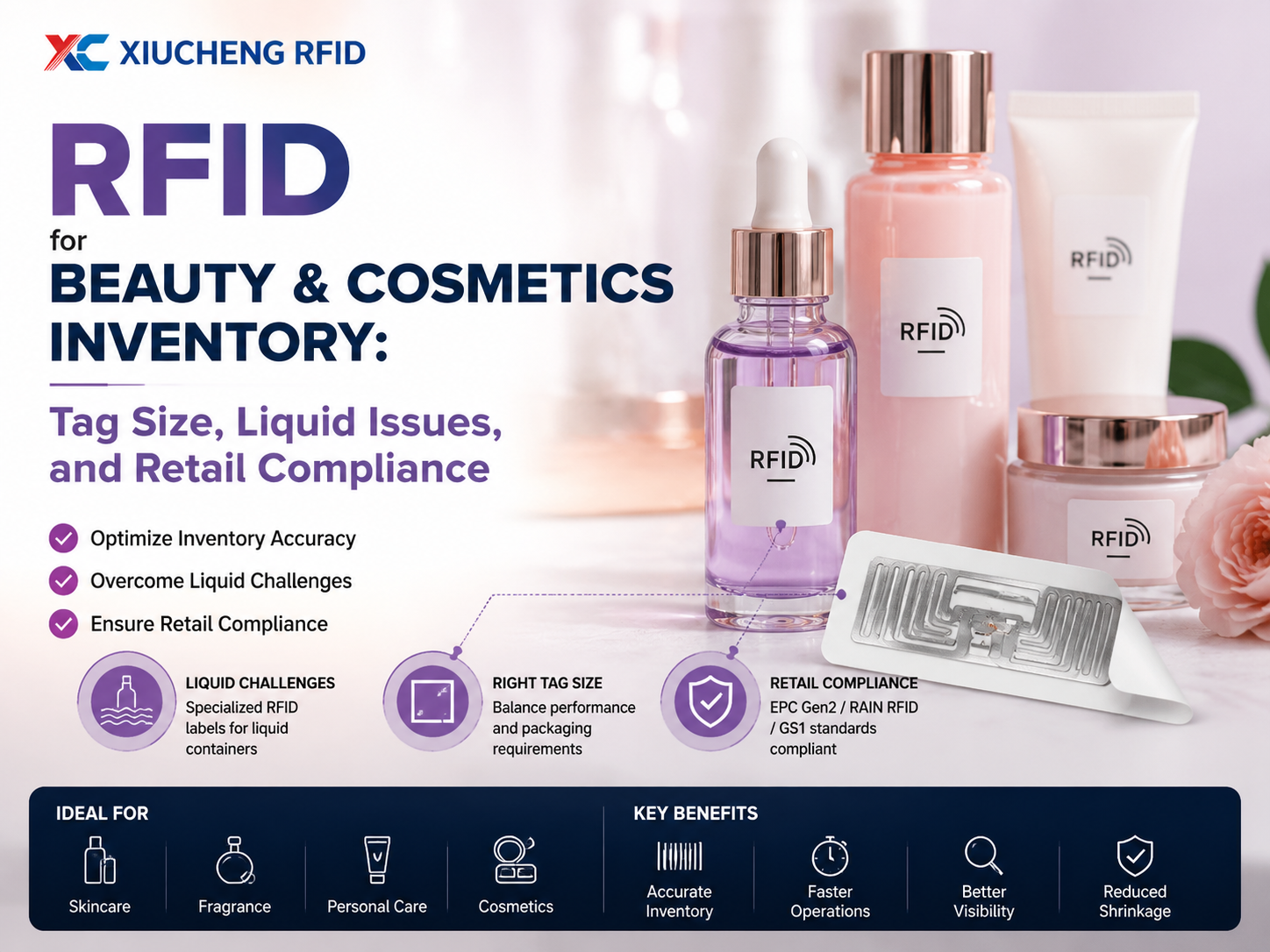
RFID technology is revolutionizing inventory management in the beauty and cosmetics industry. From skincare and makeup to hair care products, retailers and manufacturers are increasingly
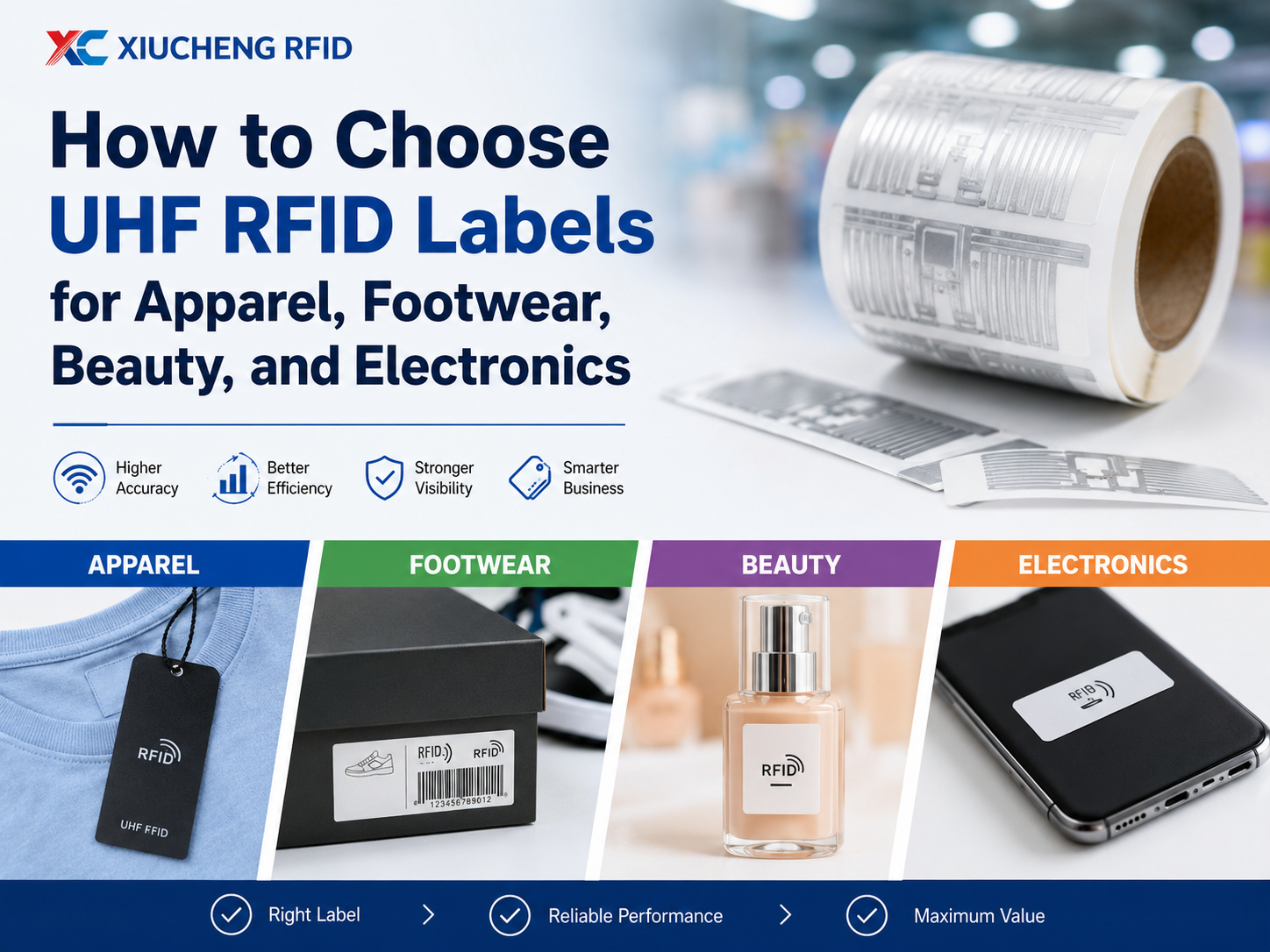
As RFID adoption continues to accelerate across retail and supply chain industries, more brands are integrating UHF RFID labels into their products to improve inventory
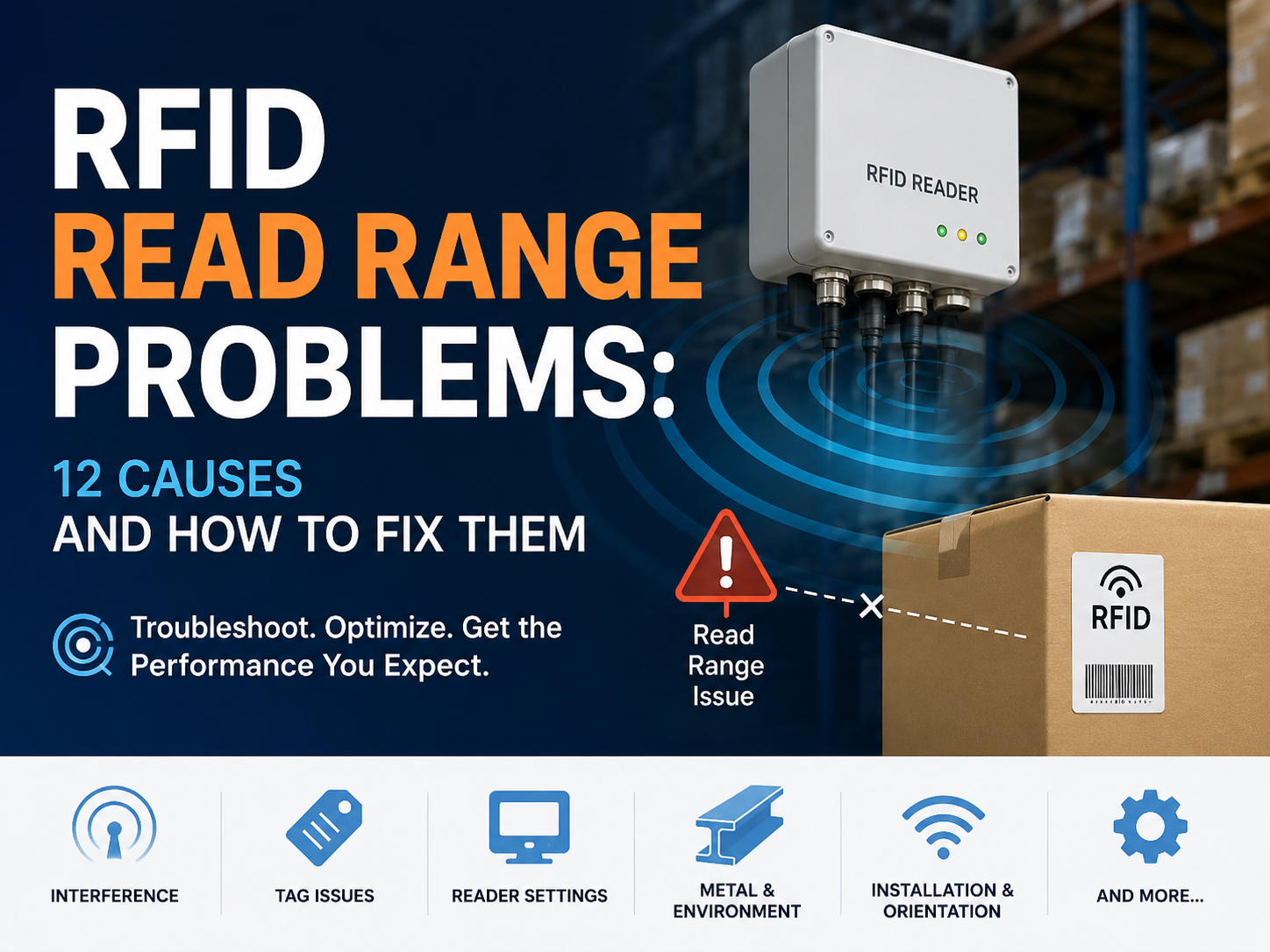
For any RFID system, read range is a critical performance metric. If your RFID tags aren’t reading at the expected distances, it can impact inventory
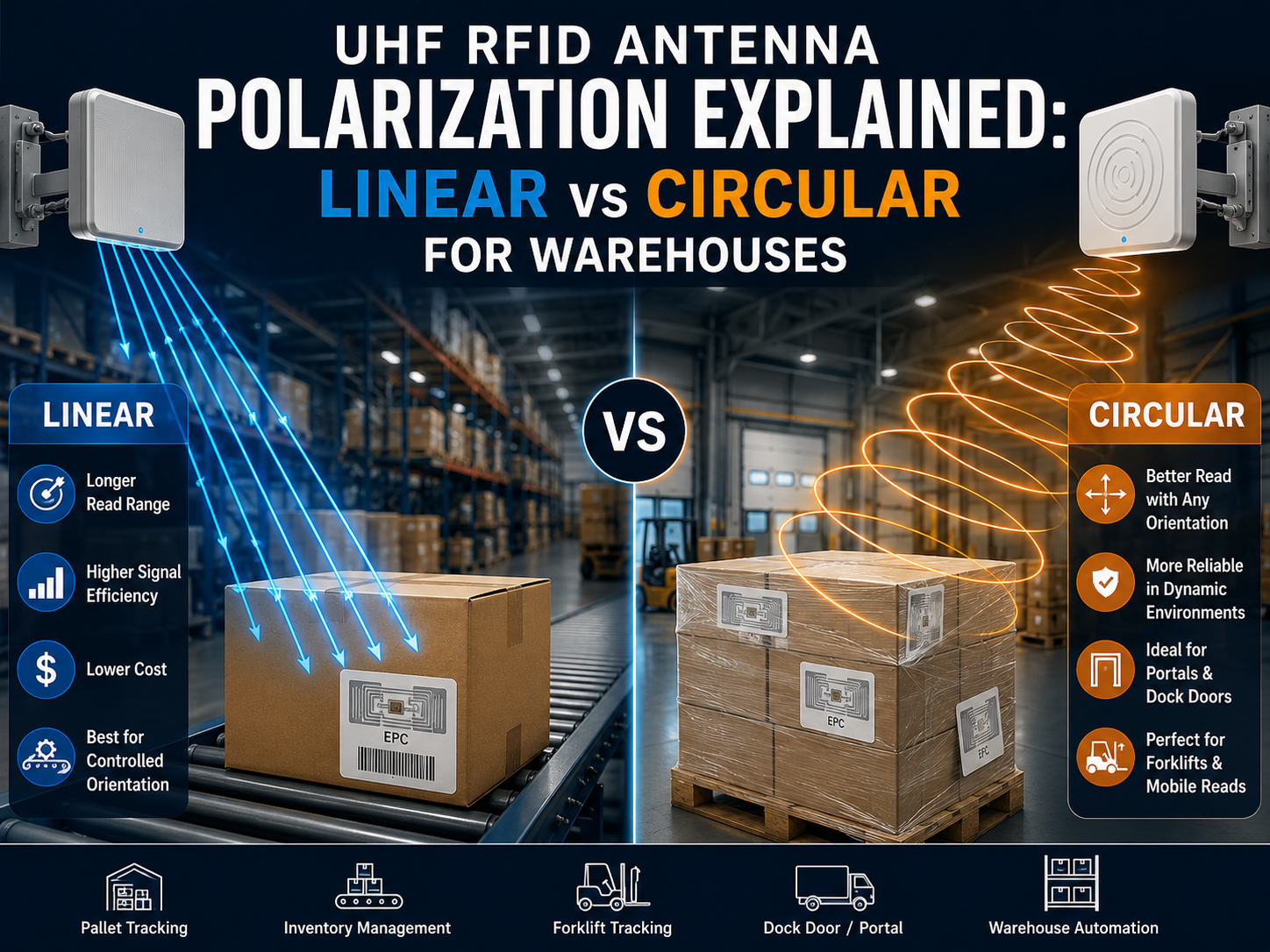
In warehouse RFID projects, readers, tags, and software often receive the most attention. However, one component can have a surprisingly large impact on system performance:
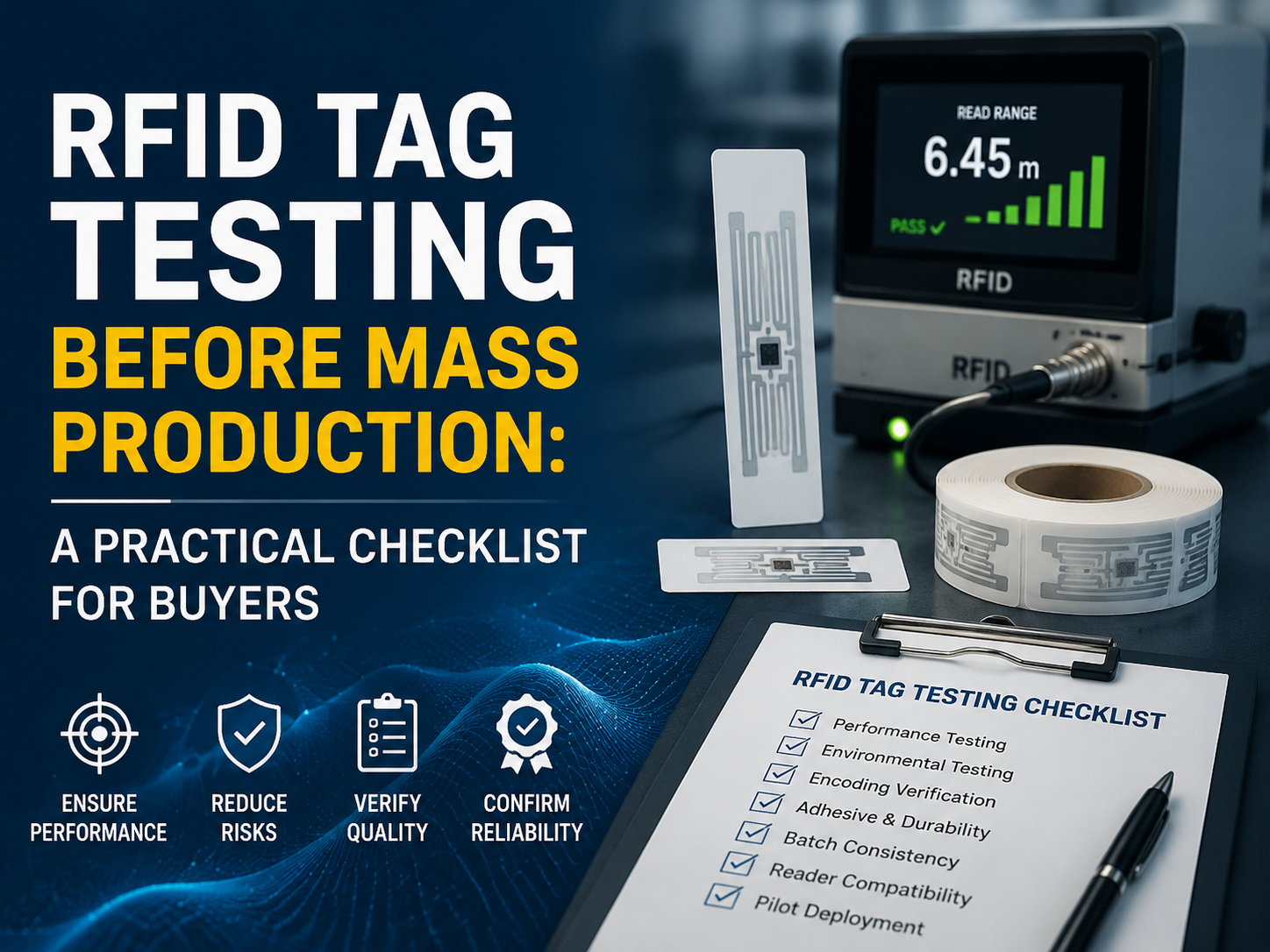
When companies begin an RFID deployment, most of the attention goes to software integration, reader installation, and process optimization. Surprisingly, one of the biggest causes
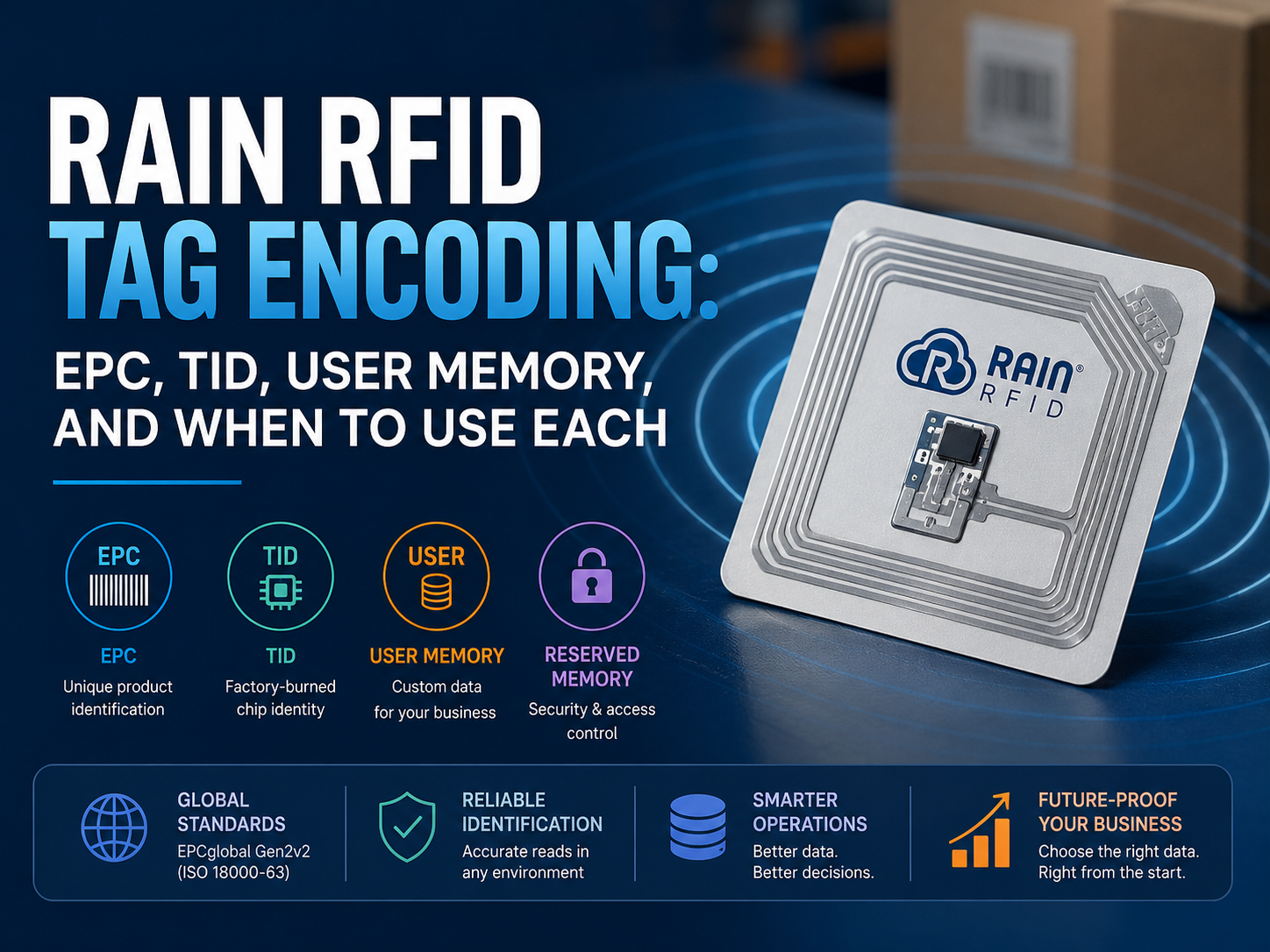
Before deploying millions of RFID tags across a supply chain, one small decision often creates the biggest headaches later: what data should actually be written
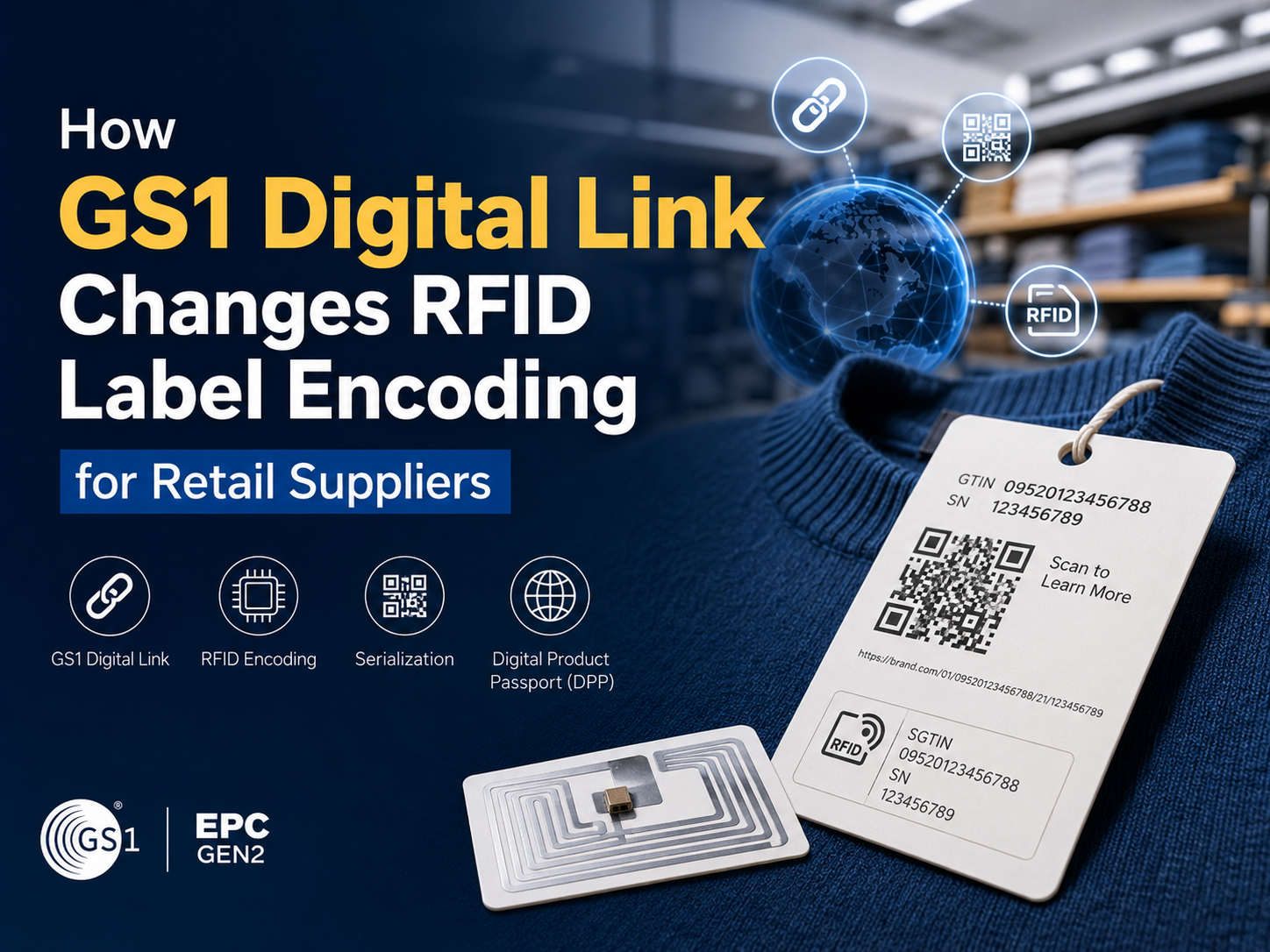
For years, RFID labels have primarily served one purpose: enabling automatic identification through EPC (Electronic Product Code) encoding. Retail suppliers would program a serial number
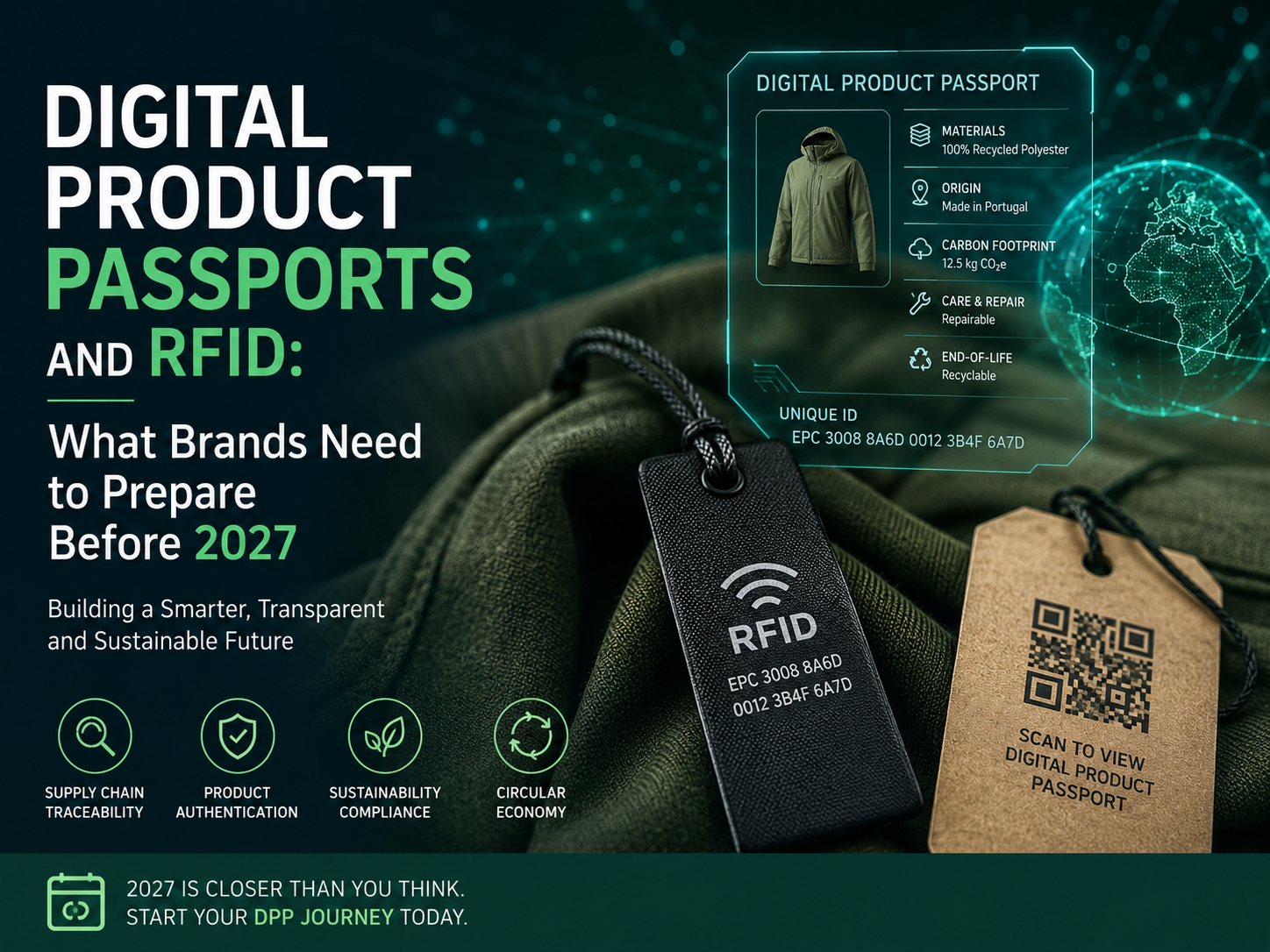
Across Europe and increasingly around the world, brands are facing a new reality: products will soon need to carry a digital identity that follows them

Supply chains are becoming more complex than ever. Global sourcing, rising customer expectations, labor shortages, and increasing operational costs are forcing businesses to seek smarter