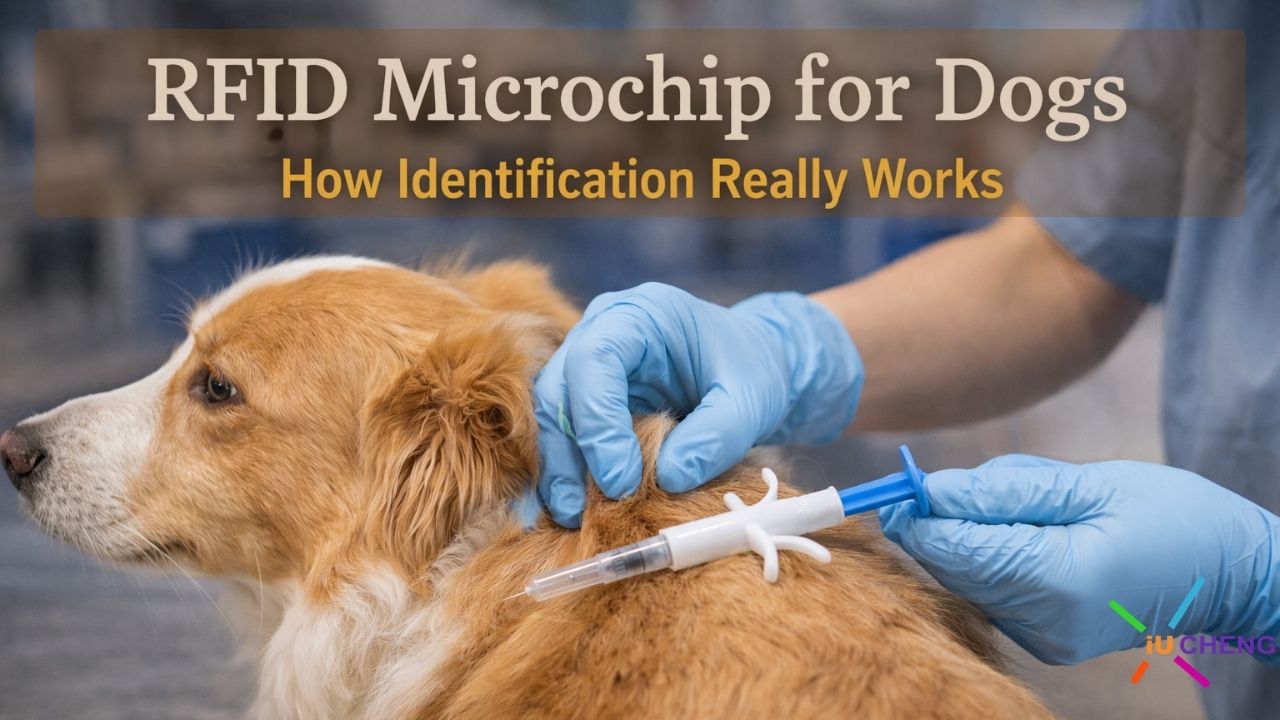
RFID Microchip for Dogs: How Identification Really Works
RFID microchips for dogs have become the global standard for permanent pet identification. Unlike collars or tags that can fall off or be removed, an

RFID microchips for dogs have become the global standard for permanent pet identification. Unlike collars or tags that can fall off or be removed, an
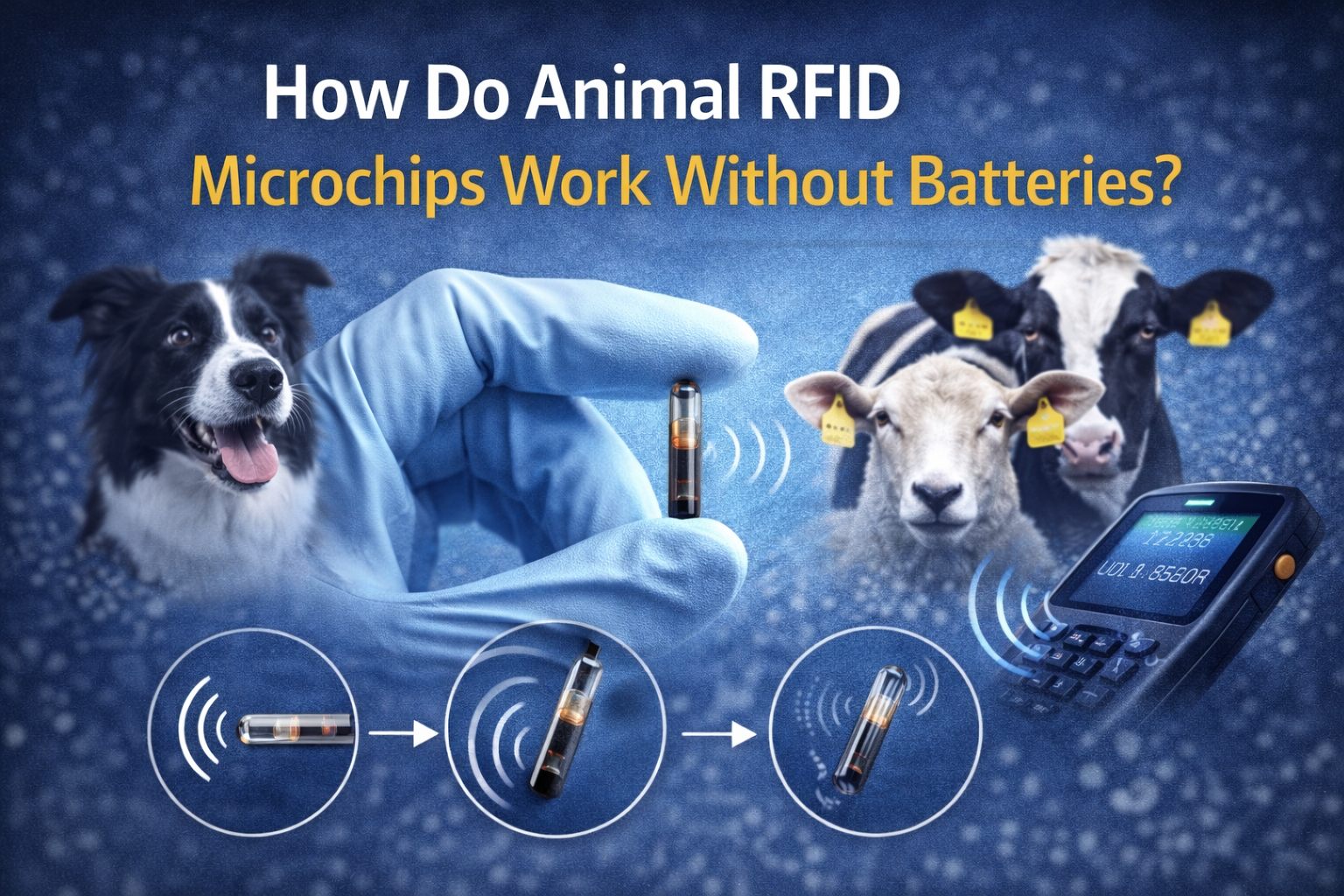
Animal RFID microchips are used worldwide to identify pets, livestock, and wildlife. One of the most common questions from veterinarians, farmers, and regulators is straightforward

A Smart, Wearable Solution for Access, Payments, and Brand Engagement Silicone rings have become a popular alternative to cards, wristbands, and key fobs. When combined

Feeding multiple cats under one roof can quickly become a daily challenge. Different diets, portion control, medical needs, and dominant behavior often turn mealtime into

Industrial laundry environments are among the most hostile conditions RFID tags can face. High temperatures, mechanical stress, moisture, and aggressive chemicals quickly degrade conventional materials.

A Practical Solution for Medium-Scale Factories Tracking electronic component inventory after an SMT (Surface Mount Technology) build is a persistent challenge for electronics manufacturers. Traditional

UHF RFID vehicle access control systems have become a proven solution for managing high-frequency vehicle traffic in parking facilities, industrial parks, logistics hubs, and gated

Passive Integrated Transponders (PIT tags) are widely used in fisheries science and aquatic ecology to monitor individual fish over time. Unlike active transmitters, PIT tags
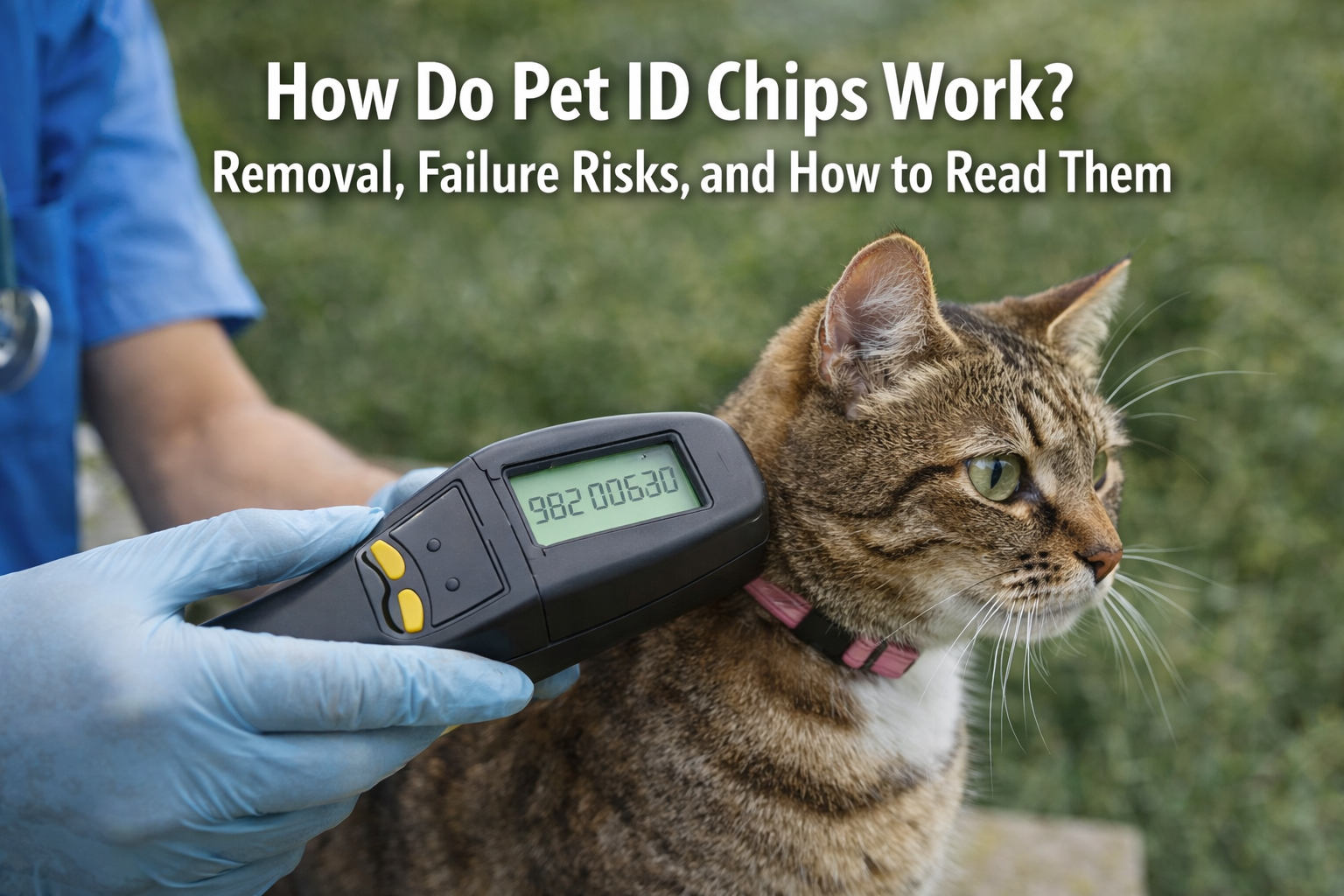
Pet identification microchips—commonly called pet ID chips—are widely used by veterinarians, shelters, breeders, and pet owners to provide permanent, reliable animal identification. Despite their popularity,

An implantable syringe for livestock is a specialized medical-grade device used to inject RFID animal microchips beneath the skin of animals for permanent identification. It