


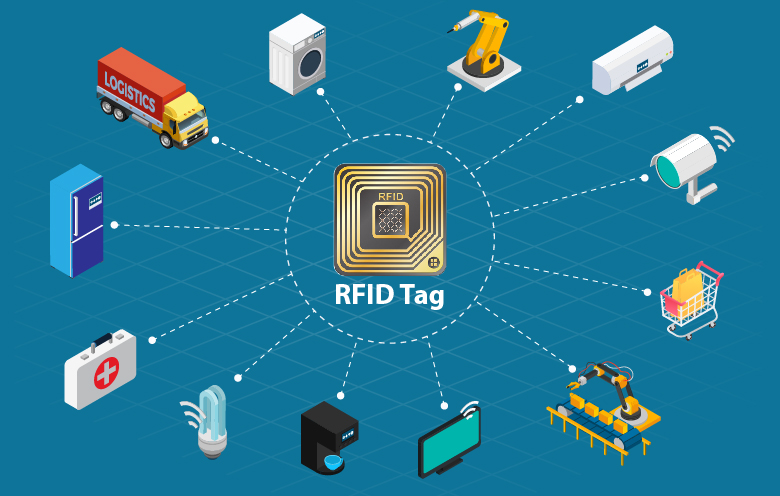
RFID (Radio Frequency Identification) technology has moved far beyond early inventory tags and access cards. Today, it is a core technology powering logistics, retail, entertainment, automotive systems, and even luxury brand authentication. What started as an industrial tracking solution is now deeply embedded in how many global companies operate and innovate.
In this article, we explore 10 famous companies using RFID technology, how they apply it, and why their use cases matter to businesses, developers, and technology professionals alike.
What Is RFID and Why It Matters
Before diving into the case studies, it’s important to understand what RFID is and why leading companies invest in it.
RFID (Radio Frequency Identification) uses electromagnetic fields to automatically identify and track tags attached to objects. An RFID system consists of three parts:
- RFID Tag: A small chip with an antenna that stores data.
- RFID Reader: A device that energizes the tag and reads its information.
- Middleware / Software: Systems that collect, analyze, and act on the data.
Unlike barcodes, RFID does not require line‑of‑sight scanning, and multiple tags can be read simultaneously. This single advantage unlocks powerful use cases in environments where speed, scale, and automation matter.
RFID operates at various frequency bands, but for most commercial applications like retail, logistics, event access, and consumer electronics, the 13.56 MHz high‑frequency (HF) band—with tags like NTAG213/215/216—is widely used.
1. Walmart – Transforming Retail Inventory & Supply Chain
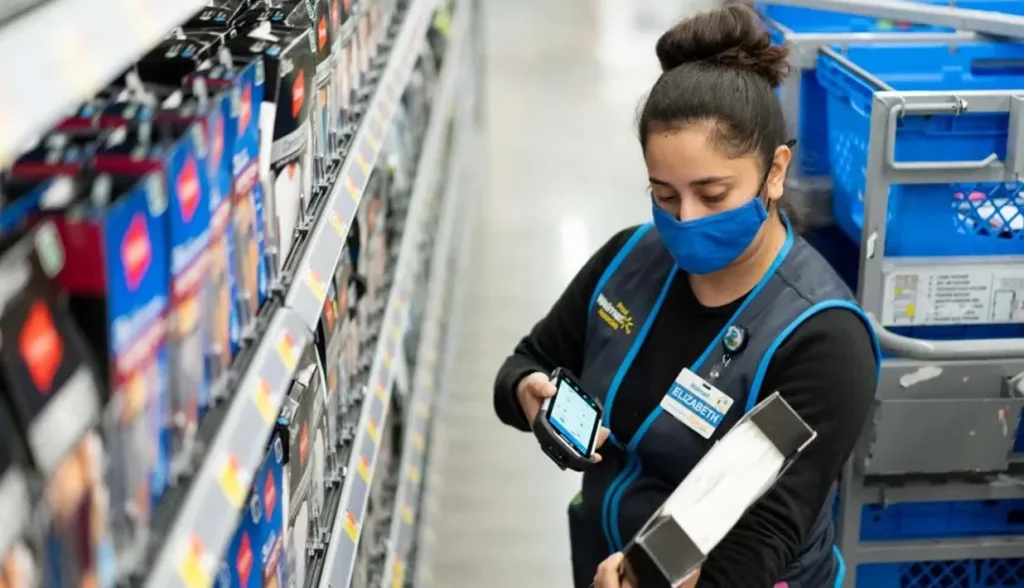
Walmart is one of the earliest adopters of RFID technology in retail. Starting in the early 2000s, Walmart mandated RFID tagging for certain product categories from suppliers, long before many retailers understood its value.
How Walmart Uses RFID
- Inventory Accuracy: Real‑time stock levels across thousands of stores.
- Supply Chain Transparency: Track pallets and shipments from suppliers.
- Reduced Out‑of‑Stock Events: Faster visibility enables automated replenishment.
Walmart’s RFID systems detect tags on product cases and individual items as they move through distribution centers and stores. The result is impressive: higher inventory correctness and less manual scanning.
Why It Matters
Retailers struggle with inventory distortion — when stock levels in the system do not match the physical stock. RFID dramatically reduces this gap by enabling automated, frequent scans without manual labor.
2. Zara – RFID at the Heart of Fast Fashion

Zara, part of the Inditex group, is widely regarded as one of the most efficient fashion retailers in the world. A big part of that efficiency is RFID.
Zara’s RFID Use Cases
- Item‑Level Tracking: Every garment receives an RFID tag.
- Store Inventory Audits: Instant stock counts.
- Supply Chain Coordination: Seamless stock transfers from warehouse to store.
Zara’s stores scan RFID tags to track sold, returned, and unsold items. The system updates inventory in real time and speeds up cycle counts from hours to minutes.
Impact
Zara reports substantial increases in inventory accuracy, which helps avoid markdowns and ensure popular sizes are in stock. RFID also improves labor productivity by reducing manual counting.
3. Uniqlo – Faster Checkout With RFID
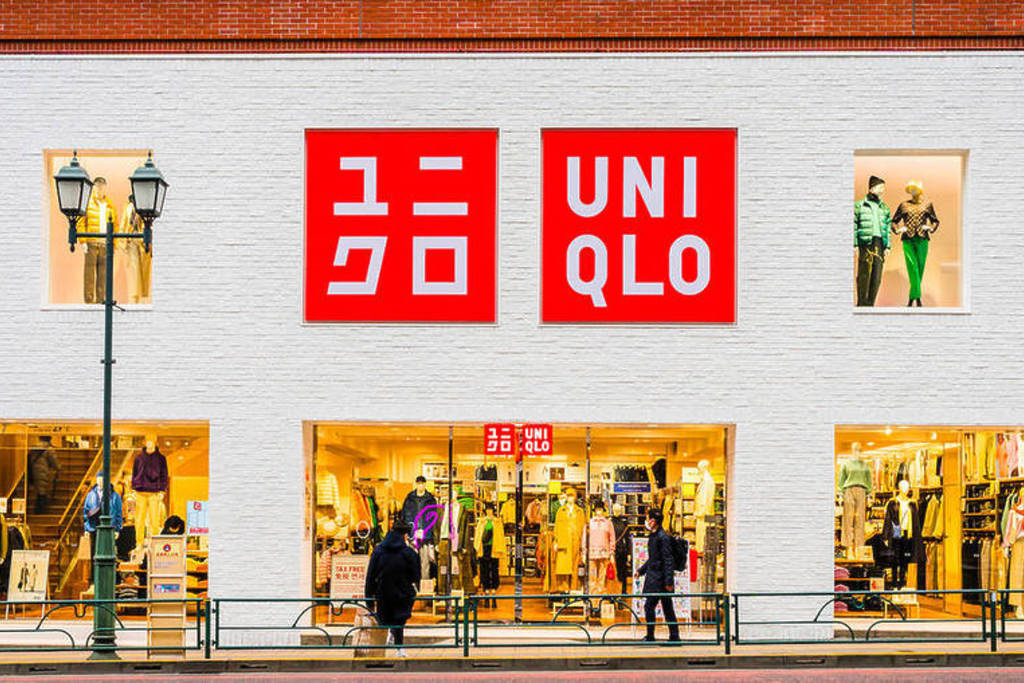
Uniqlo has taken RFID beyond backend inventory and applied it to the most customer‑facing part of retail: checkout.
RFID Self‑Checkout
- Customers place items on the counter
- RFID reader scans all tags at once
- Checkout completes without scanning each barcode
This dramatically improves the checkout experience by reducing wait times and labor costs. In addition, Uniqlo integrates RFID data into store analytics to understand shopping patterns.
4. Decathlon – RFID at Scale in Sports Retail
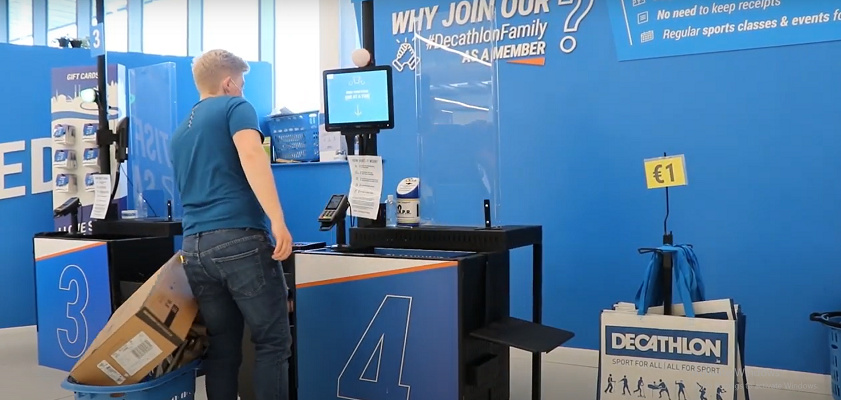
Decathlon, one of the world’s largest sporting goods retailers, uses RFID to streamline store operations and inventory management.
Key Advantages
- Rapid Inventory Audits: Count thousands of products in minutes.
- Stock Visibility: Know exactly what products are available.
- Reduced Labor: Less manual scanning and counting.
Decathlon has reported significant improvements in inventory cycle times and reduction in stock discrepancies using RFID—enabling better availability for customers.
5. Amazon – RFID in Smart Stores
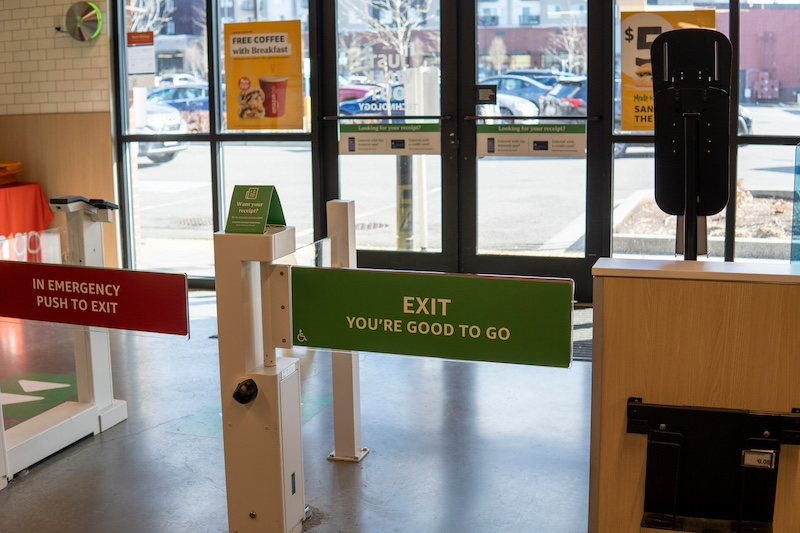
Amazon Go stores utilize multiple sensor technologies to create a frictionless shopping experience. RFID plays a central role in tracking product movements.
Amazon Go Technology
- RFID tags help identify products from shelves
- Combined with vision systems and sensors
- Customers walk out with items and automatically get billed
RFID supports real‑time detection of product removal and replacement, enabling the “Just Walk Out” experience that Amazon Go pioneered.
6. Disney – RFID MagicBands for Guest Experience
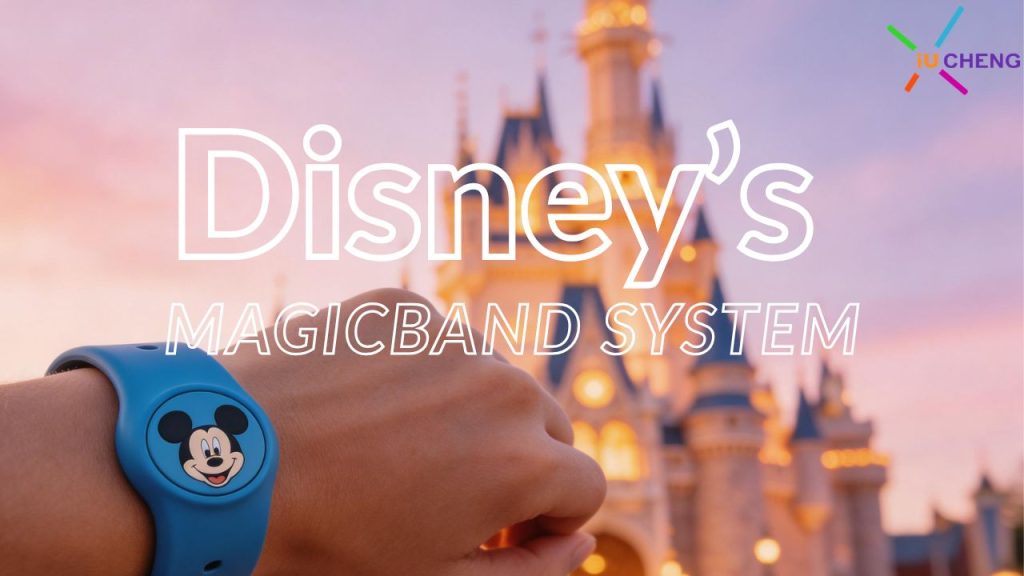
Disney’s MagicBand is one of the most famous consumer RFID applications. Instead of carrying tickets or payment cards, visitors wear an RFID wristband that acts as their entire park identity.
What MagicBands Do
- Park entry and ride access
- Hotel room entry
- Cashless payments
- Personalized guest experiences
MagicBands use RFID combined with backend systems to track guest preferences, movement, and purchases—enhancing convenience and unlocking advanced analytics for Disney.
7. Tesla – Secure RFID Key Cards
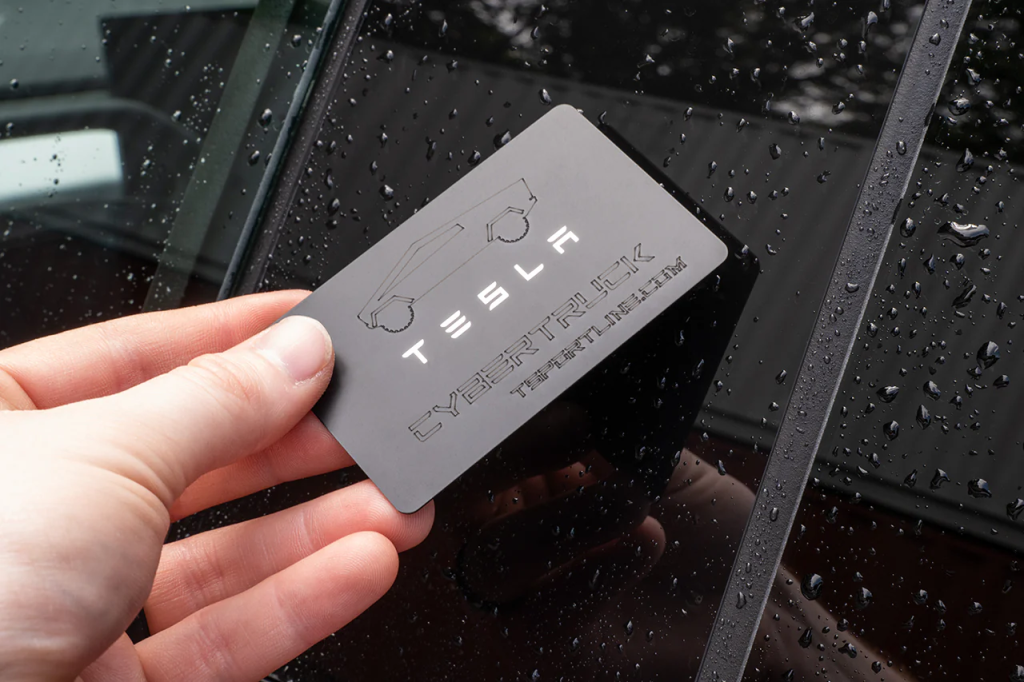
Tesla vehicles use RFID key cards as a secure and convenient method to unlock and start cars. While many users also use mobile apps or key fobs, the RFID card remains a reliable alternative.
RFID in Automotive Access
- Driver authentication
- Vehicle access without smartphone
- Secure, encrypted communication
Tesla key cards communicate with the car’s NFC/RFID reader using secure encryption, ensuring that only authorized cards work with the vehicle.
8. Delta Air Lines – RFID Baggage Tracking
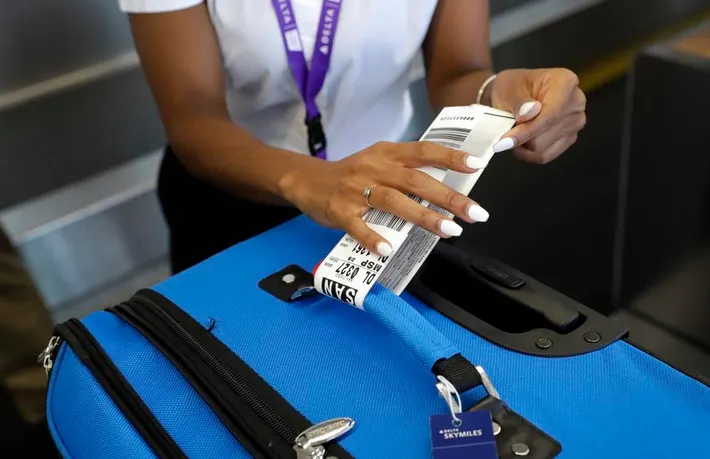
Airlines like Delta use RFID to improve baggage handling. Lost luggage is a major pain point for passengers and airlines alike.
RFID Luggage Tracking
- RFID tags on luggage for real‑time location updates
- Reduced mishandled baggage
- Improved passenger satisfaction
RFID reduces lost or delayed luggage by enabling systems to automatically track bags through the airport ecosystem—from check‑in to aircraft loading and arrival.
9. LVMH & Prada – Luxury Product Authentication
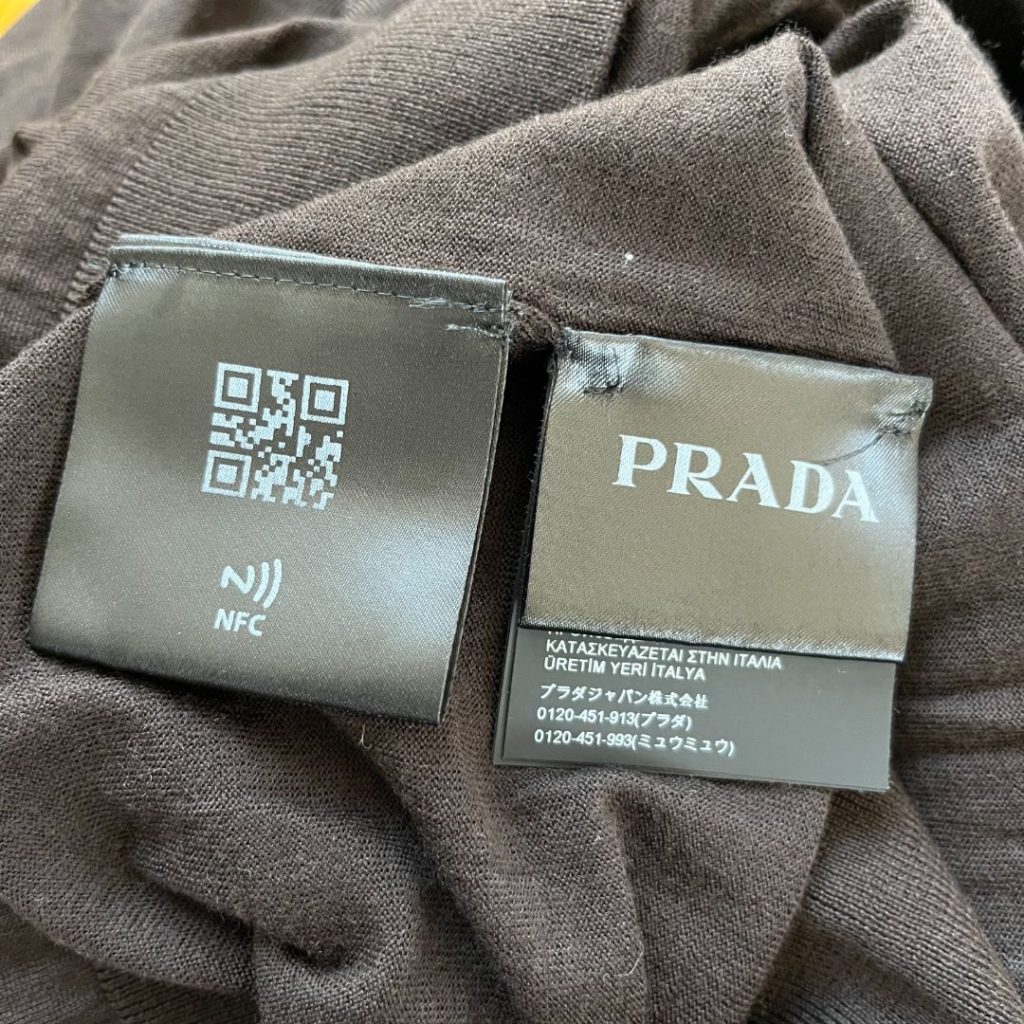
Luxury brands like LVMH and Prada have adopted RFID to combat counterfeiting and authenticate genuine products.
RFID for Traceability
- Embed RFID tags in products or packaging
- Track product journey from factory to store
- Verify authenticity at point of sale
RFID helps luxury brands ensure authenticity, trace supply chains, and provide additional digital services such as warranty registration and customer engagement.
10. Major Events & Music Festivals – RFID for Access & Payments

RFID wristbands or cards have become common at large events and festivals.
Typical Uses
- Event entry and access control
- Cashless payments
- VIP zone tracking
- Safety and crowd monitoring
Examples include Tomorrowland, Coachella, and other major festivals, where RFID enhances guest experience and organizer logistics.
Why These RFID Use Cases Matter
These examples illustrate the broad spectrum of RFID applications:
- Operational efficiency at scale (Walmart, Decathlon)
- Enhanced customer experience (Disney, Uniqlo)
- Secure access and authentication (Tesla, Luxury brands)
- Smart environments and automation (Amazon Go, Events)
RFID continues to grow because it bridges the physical and digital worlds—bringing real‑time data to everyday operations.
How Businesses Can Use RFID Today
If you’re considering RFID for your organization, here are common use cases:
Inventory & Asset Management
Track goods and equipment in warehouses, stores, or distribution centers.
Access Control
Manage secure entry for buildings, vehicles, or events.
Authentication & Anti‑counterfeiting
Verify genuine products in luxury, electronics, or pharmaceuticals.
Event Management
Control crowd flow and enable cashless payments.
Smart Marketing
Interactive posters, loyalty triggers, and engagement experiences.
Common RFID Tags & Standards
Depending on your application, different RFID tags may be used:
| Tag Type | Application |
|---|---|
| NTAG213/215/216 | Marketing, NFC interactions, product tagging |
| MIFARE Classic / DESFire | Access management, transport cards |
| UHF RFID | Long‑range logistics and supply chain |
For consumer and retail applications, HF RFID (13.56 MHz) tags like NTAG215 are widely used because they are compatible with smartphones and NFC devices.
Conclusion
RFID technology has transcended simple tagging—becoming a fundamental part of how many world‑renowned companies operate. From real‑time inventory tracking to frictionless retail, secure vehicle access, and immersive guest experiences, RFID delivers tangible benefits across industries.
Whether you are a developer, product manager, or business leader exploring RFID, these case studies show that the technology is not just conceptual—it’s driving real outcomes for major global brands.


